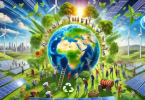

Clean energy and renewable energy are transforming the global power industry by replacing harmful fossil fuels with sustainable, eco-friendly sources that reduce pollution, protect the environment, and ensure long-term energy security, and as the world faces climate change challenges and rising energy demand, these energy systems are becoming the foundation of a cleaner and more efficient future.
What Is Clean Energy
Clean energy refers to energy sources that produce little to no pollution or greenhouse gas emissions during production and usage. It focuses on reducing environmental impact while meeting global energy needs.
This includes solar, wind, hydro, geothermal, and other sustainable technologies that help reduce dependency on fossil fuels like coal and oil.
What Is Renewable Energy
Renewable energy comes from natural sources that are constantly replenished, such as sunlight, wind, water, and biomass. Unlike fossil fuels, these sources do not run out.
Renewable energy is considered the most important solution for long-term energy sustainability and environmental protection.
Difference Between Clean And Renewable Energy
Clean energy focuses on reducing pollution, while renewable energy focuses on naturally replenished resources. Some energy sources can be both clean and renewable, like solar and wind power.
For example, nuclear energy is considered clean because it produces low emissions but is not renewable because it depends on finite resources.
Solar Energy And Its Importance
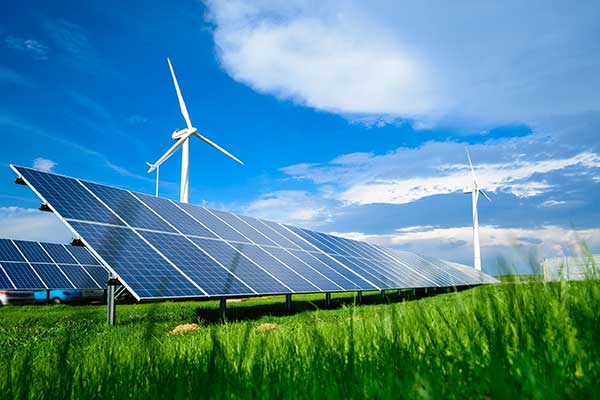
Solar energy is one of the most widely used renewable energy sources, generated by converting sunlight into electricity using solar panels.
It is clean, abundant, and cost-effective, making it a key solution for reducing global carbon emissions and energy costs.
Wind Energy Development
Wind energy is produced using wind turbines that convert wind movement into electrical energy. It is one of the fastest-growing renewable energy sources worldwide.
Countries are investing heavily in wind farms both onshore and offshore to increase clean energy production.
Hydropower And Water Energy Systems
Hydropower generates electricity by using flowing water, usually through dams or river systems. It is a reliable and stable source of renewable energy.
It also plays an important role in balancing electricity supply and demand in many countries.
Geothermal Energy Potential
Geothermal energy comes from heat stored beneath the Earth’s surface. It is a constant and reliable energy source that can be used for electricity and heating.
Although it is less common, it has strong potential in regions with high geothermal activity.
Role of Biomass Energy
Biomass energy is produced from organic materials like plant waste, agricultural residues, and animal waste.
It helps reduce waste while providing an alternative energy source, but it must be managed carefully to remain sustainable.
Benefits of Clean and Renewable Energy
Clean and renewable energy offers many benefits including reduced pollution, lower carbon emissions, and improved public health.
It also reduces dependence on imported fuels and creates new job opportunities in the green energy sector.
Challenges in Renewable Energy Adoption
Despite its benefits, renewable energy faces challenges such as high initial costs, storage limitations, and infrastructure requirements.
Energy storage and grid integration are still major issues that need technological improvements.
Future of Clean Energy Industry
The future of clean energy is very promising as countries move toward net-zero emission goals and sustainable development.
Advancements in technology, energy storage, and smart grids will make renewable energy more efficient and widely accessible.
FAQ’s
What is clean energy
It is energy that produces little or no pollution.
What is renewable energy
It is energy from natural sources that never run out.
Is solar energy renewable
Yes, solar energy is fully renewable.
Why is renewable energy important
It helps reduce pollution and fight climate change.
Conclusion
Clean energy and renewable energy are essential for building a sustainable future by reducing environmental damage and providing long-term energy solutions for growing global demand. With continuous advancements in solar, wind, hydro, and other renewable technologies, the world is moving toward a cleaner, greener, and more energy-efficient future that benefits both people and the planet.