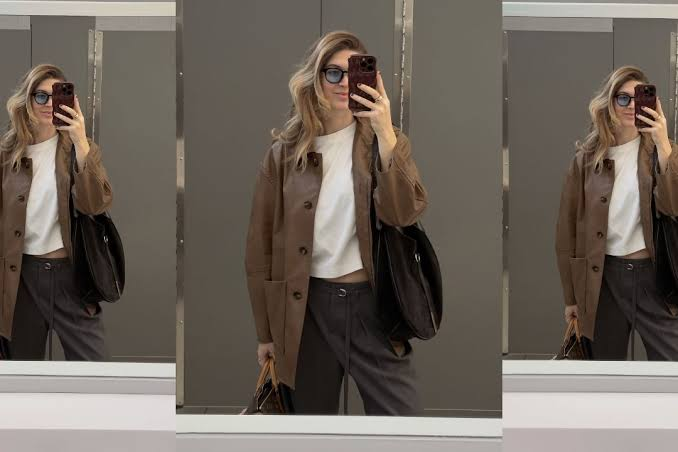

Social media has changed how people discover fashion, evaluate clothing, and make purchasing decisions. Short videos introduce new aesthetics, outfit combinations, and styling techniques almost daily. While these platforms provide inspiration, they can also encourage constant imitation. People purchase clothing because an outfit becomes popular, only to discover that the items do not match their lifestyle or existing wardrobe. Developing personal style requires understanding individual preferences rather than following every emerging trend.
Digital platforms influence more than fashion choices. Their recommendation systems encourage users to explore entertainment, products, and experiences through short interactions. Someone browsing online entertainment might read more about a chance-based slot game, although gambling involves financial risks and should not influence financial decisions through impulsive behavior. Similarly, fashion trends can encourage purchases driven by immediate excitement rather than practical needs. Recognizing these influences is an important step toward developing independent preferences.
Why Social Media Trends Influence Personal Style
Fashion trends spread through repeated exposure. When users encounter similar outfits across multiple videos, those combinations may begin to feel familiar and desirable.
Recommendation algorithms can reinforce this process by showing content similar to previous interactions.
As a result, individuals may develop preferences based on what appears frequently rather than what they would independently choose.
Another influence is social comparison. Viewers see carefully styled outfits and may assume that purchasing similar clothing will produce comparable results.
However, appearance depends on proportions, context, personal preferences, and styling decisions.
Understanding these limitations helps separate inspiration from imitation.
Identify Your Existing Clothing Preferences
Developing personal style begins with examining the clothing already in your wardrobe.
Rather than focusing on items purchased recently, identify pieces worn most frequently.
Consider their silhouettes, fabrics, colors, and practical characteristics.
For example, someone may repeatedly choose straight-leg trousers, structured jackets, and leather shoes.
These patterns can indicate preferences that remain consistent regardless of trends.
Clothing that stays unused may reveal purchases influenced by temporary enthusiasm.
Reviewing these differences provides information for future decisions.
Understand How Your Lifestyle Shapes Your Wardrobe
Personal style must function within everyday circumstances.
Someone working in an office may need clothing suitable for meetings, commuting, and professional environments.
People working remotely may prioritize comfort and flexibility.
Climate, transportation, social activities, and physical movement also influence wardrobe requirements.
A style built around clothing that rarely fits daily activities can become expensive and impractical.
Instead of copying complete outfits, identify which elements can realistically become part of your routine.
The objective is to create consistency between appearance and lifestyle.
Develop a Consistent Color Palette
Color influences how easily individual garments can be combined.
A wardrobe containing unrelated colors may require additional purchases to create coordinated outfits.
Selecting several foundation colors can simplify styling decisions.
These might include black, navy, brown, gray, or cream, depending on personal preferences.
Accent colors can introduce variation without requiring an entirely new wardrobe.
However, color selection should not depend exclusively on seasonal fashion recommendations.
Experimenting with combinations near the face and comparing photographs can help identify preferred results.
Focus on Silhouettes Rather Than Fashion Labels
Social media frequently categorizes clothing into named aesthetics. These labels can provide inspiration but may also restrict experimentation.
A more practical approach involves examining garment proportions.
Consider whether you prefer fitted or relaxed clothing, structured or flowing shapes, and short or long outerwear.
Silhouette consistency can create recognizable style even when individual pieces come from different fashion categories.
For example, wide trousers combined with fitted tops may form a repeated outfit formula.
Understanding proportions provides greater flexibility than following a particular aesthetic label.
Build Outfits Around Repeating Elements
Personal style often develops through recurring combinations rather than constant novelty.
Someone might regularly wear tailored trousers, simple tops, and distinctive accessories.
Another person may prefer denim, knitwear, and structured outerwear.
These combinations become outfit formulas that reduce the time needed to get dressed.
Repeating successful formulas does not mean wearing identical outfits.
Different fabrics, colors, and accessories can provide variation while maintaining consistency.
This approach also makes shopping more deliberate because potential purchases must work with established combinations.
Use Trends Selectively
Avoiding imitation does not require rejecting every fashion trend.
Trends can introduce unfamiliar silhouettes, materials, or styling techniques worth exploring.
The important distinction is whether a trend complements existing preferences.
Before purchasing an item, consider whether it works with several garments already owned.
Another useful question is whether you would still want it without seeing it repeatedly online.
Waiting before purchasing can help distinguish genuine interest from temporary excitement.
Selective experimentation allows personal style to evolve without becoming dependent on changing recommendations.
Choose Accessories That Reflect Your Preferences
Accessories influence how outfits are perceived without requiring major wardrobe changes.
Belts, bags, jewelry, scarves, and footwear can create consistency across different combinations.
Someone who prefers minimal clothing may use one distinctive accessory as a recurring element.
Others may develop recognizable combinations through materials, shapes, or proportions.
The goal is not to collect accessories but to identify pieces that complement existing clothing.
Investing in versatile items may provide greater value than purchasing products associated with short-lived trends.
Avoid Shopping Based on Individual Outfits
One common purchasing mistake involves buying clothing to reproduce a single outfit seen online.
The individual items may look appealing together but remain difficult to combine with existing garments.
Before purchasing, consider at least three realistic combinations using clothing already owned.
Evaluate fit, maintenance requirements, fabric quality, and expected frequency of use.
A garment that works only for occasional photographs may provide limited practical value.
Wardrobe planning should prioritize integration rather than isolated purchases.
Allow Your Style to Develop Over Time
Personal style changes as people gain experience, enter different environments, and develop new preferences.
An outfit formula that worked during university may no longer suit professional responsibilities.
Similarly, changes in lifestyle or climate may require different clothing choices.
These adjustments do not mean abandoning personal identity.
Instead, they reflect the relationship between style and everyday circumstances.
Photographing outfits and reviewing which combinations feel comfortable can help identify patterns over time.
Creating a Wardrobe That Represents You
Developing personal style without copying social media trends requires observation, experimentation, and deliberate purchasing decisions.
Existing wardrobe preferences, lifestyle requirements, colors, and silhouettes provide a stronger foundation than temporary aesthetic categories.
Trends can remain useful sources of inspiration, but they should not determine every purchase.
A recognizable style develops through repeated choices that reflect personal taste and practical needs.
Ultimately, individuality in fashion does not require constant originality. It comes from understanding which clothing combinations suit you and maintaining the freedom to adapt them without depending on online approval.