
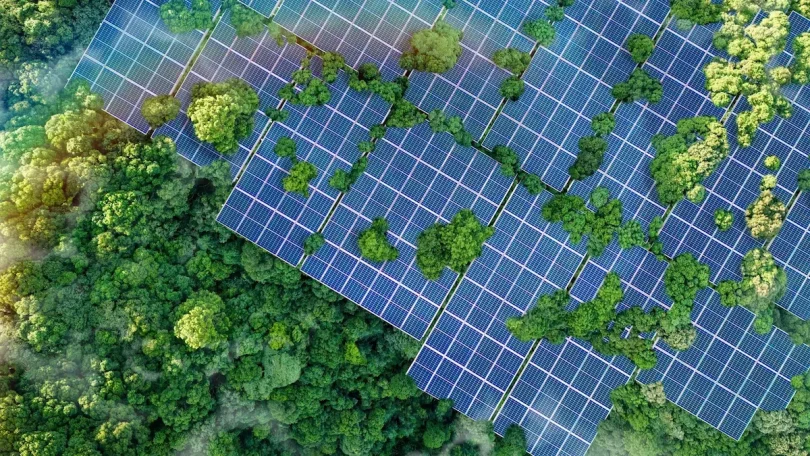

When we talk about clean energy news today, we are looking at the latest developments in the global transition from fossil fuels to cleaner, renewable energy sources such as solar, wind, hydropower, and other low-carbon technologies. This shift is becoming one of the most significant stories of our time, affecting everything from government policy to corporate investment, technological innovation, and climate action.
In this article, we’ll explore the most important updates in clean energy from around the world, highlighting projects, policies, corporate actions, and challenges that are shaping the future of sustainable energy.
Global Clean Energy Growth

One of the biggest trends in clean energy is the rapid expansion of renewable energy globally. Solar and wind energy have seen significant growth over the last few years, providing nearly 40 percent of global electricity today. Solar power, in particular, has doubled its capacity in just three years, while wind energy continues to expand steadily. This growth is driven by technological advancements, declining costs, and increasing government and private sector investments.
This shift is not only helping countries reduce their carbon emissions but also creating new economic opportunities, including jobs in renewable energy installation, maintenance, and manufacturing.
Government Policies and Initiatives
Japan’s Investment in Clean Energy
Japan recently announced a major initiative to support companies that adopt clean energy. The government plans to invest over a billion dollars in subsidies over the next five years, aimed at promoting the use of renewable electricity and integrating nuclear power as part of its long-term energy strategy. This approach is designed to increase clean energy adoption across industrial sectors and accelerate Japan’s transition to a greener energy mix.
Egypt and Djibouti Collaboration
In North Africa, Egypt and Djibouti signed multiple agreements to cooperate on infrastructure, ports, and clean energy projects. This partnership reflects a broader trend of regional collaboration aimed at boosting renewable energy production, modernizing infrastructure, and creating sustainable economic growth.
United Arab Emirates Solar Expansion
The UAE continues to make headlines with the expansion of its solar parks. The Mohammed bin Rashid Solar Park, for example, has increased its capacity as part of the nation’s goal to achieve ambitious clean energy targets by 2030. These efforts demonstrate that solar energy is becoming a major driver of energy production in the Middle East.
Corporate and Private Sector Developments
Large corporations are also playing a key role in accelerating the clean energy transition. Companies like Google and other tech giants are investing heavily in renewable energy infrastructure to power their data centers and operations. Google recently announced a significant acquisition of a solar and energy storage company to secure clean energy for its facilities, reflecting the increasing demand for low-carbon power in the private sector.
Additionally, partnerships between corporations and energy providers are expanding. These agreements, often called power purchase agreements (PPAs), allow companies to purchase renewable electricity directly, providing financial support for the construction of new renewable projects while helping the companies reduce their carbon footprint.
Political and Policy Challenges

While clean energy is gaining momentum, it is not without its challenges. In the United States, there is ongoing debate over the role of nuclear power, wind energy, and government incentives for renewables. Policy changes or political opposition can slow the adoption of new projects, creating uncertainty for investors and developers.
Similarly, in countries like the United Kingdom, the rapid growth of renewables has exposed limitations in the electricity grid, highlighting the need for infrastructure modernization. These challenges emphasize that transitioning to clean energy is not only a technical issue but also a matter of political will and public policy.
Technological Advancements
Technological innovation is playing a critical role in enabling the growth of clean energy. Countries like China are developing advanced grid technologies, including smart transformers, to integrate renewable energy more efficiently and ensure grid stability. These innovations allow for better management of intermittent energy sources like solar and wind, making clean energy more reliable and scalable.
Battery storage technology is also expanding rapidly, allowing countries and companies to store excess renewable energy for use during periods of low production. This development addresses one of the key challenges of renewable energy: variability in supply.
You may also like to read this:
Top Renewable Energy Updates You Need To Know Today
Latest Solar And Wind Energy News And Global Updates 2025
Top Clean Power Solutions News – Green Energy Updates
Top Green Energy Trends Shaping The Future of Energy
Challenges and Opportunities
Despite impressive growth, the clean energy sector faces several ongoing challenges:
- Grid Integration: Upgrading electricity grids to handle higher shares of renewable energy is essential.
- Policy Uncertainty: Changes in government policies can affect project timelines and investments.
- Investment Needs: While global investment in clean energy is growing, more funding is required, especially in developing countries.
- Intermittency: Renewable sources like solar and wind are variable, so storage and backup systems are critical.
At the same time, the opportunities are enormous. Renewable energy is becoming more cost-effective than fossil fuels in many regions, and the sector is creating jobs, improving energy security, and contributing to climate goals.
Conclusion
The latest clean energy news today shows a world in transition. Governments are implementing policies and subsidies to encourage renewable energy, corporations are investing heavily in clean power, and technological innovations are making renewable energy more reliable and scalable.
However, challenges remain, including infrastructure limitations, political debates, and the need for continued investment. Understanding these developments helps us appreciate the pace of change in the energy sector and the importance of clean energy for economic growth, environmental sustainability, and global climate action.
The shift toward clean energy is no longer a distant vision—it is happening now, shaping the way we produce and consume energy worldwide.
FAQs on Clean Energy News Today
1. What is clean energy?
Clean energy comes from sources that produce little or no greenhouse gas emissions, such as solar, wind, hydro, geothermal, and nuclear power.
2. Why is clean energy important?
It reduces carbon emissions, improves energy security, creates jobs, and decreases air pollution.
3. What are the latest trends?
Rapid growth in solar and wind, corporate investments, energy storage solutions, and government incentives are leading the clean energy shift.
4. Which countries lead in clean energy?
China, the United States, EU nations, UAE, and Japan are major players in renewable adoption and infrastructure.
5. How does clean energy affect electricity costs?
While initial costs can be high, long-term electricity prices decrease due to free fuel sources and reduced fossil fuel dependence.


