


When we talk about government green policies, we’re discussing the measures that governments put in place to protect the environment and ensure a sustainable future. These policies are essential because climate change, pollution, and resource depletion are pressing global issues that affect everyone. From reducing greenhouse gas emissions to promoting renewable energy and protecting natural habitats, government green policies aim to balance economic growth with environmental responsibility.
In this article, we’ll explore what these policies are, why they matter, examples from around the world, their benefits, challenges, and how citizens can actively support them.
What Are Government Green Policies?
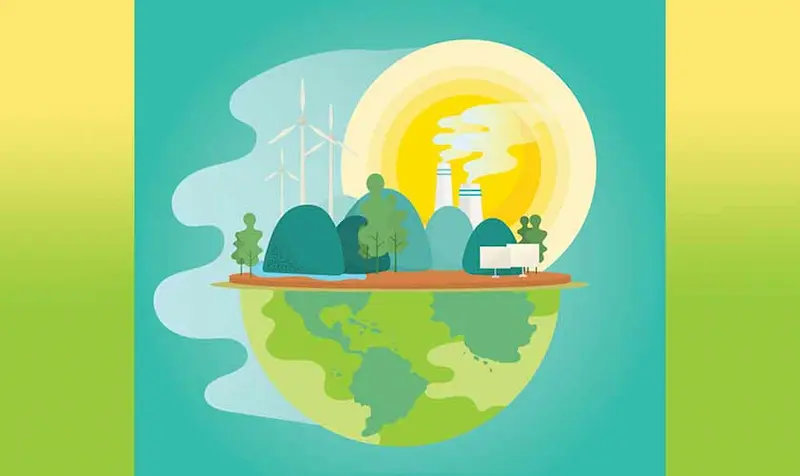
Government green policies are structured strategies designed to reduce environmental harm and promote sustainability. Unlike voluntary eco-friendly actions taken by individuals or companies, these policies are enforced or incentivized through regulations, subsidies, and programs.
Green policies usually focus on:
- Reducing Pollution – Setting limits on air, water, and soil pollution from factories, vehicles, and agriculture.
- Promoting Renewable Energy – Encouraging the use of solar, wind, hydro, and other clean energy sources to reduce dependence on fossil fuels.
- Conservation and Resource Management – Protecting forests, wildlife, water resources, and biodiversity.
- Waste Management and Recycling – Implementing policies to manage waste effectively and promote recycling initiatives.
- Sustainable Urban Planning – Encouraging eco-friendly city designs, green buildings, and sustainable transportation options.
These policies can take many forms, including legal regulations, tax incentives, government-funded programs, and awareness campaigns to engage the public.
Key Examples of Government Green Policies
Here are some prominent examples of green policies implemented globally:
1. Carbon Taxes and Emission Trading
Countries like Sweden, Canada, and the UK have introduced carbon taxes, charging businesses based on the amount of greenhouse gas emissions they produce. This financial incentive encourages companies to reduce their carbon footprint.
Some countries, like the EU, also use emission trading systems, where companies buy and sell allowances to emit greenhouse gases, promoting cost-effective emission reductions.
2. Renewable Energy Incentives
Many governments encourage renewable energy adoption through subsidies, tax rebates, or grants. For example:
- Germany’s Energiewende program supports solar and wind energy adoption.
- India offers financial incentives for solar rooftop installations.
- The United States provides tax credits for wind and solar energy projects.
3. Plastic Bans and Waste Management Policies
Single-use plastics are a major environmental concern. Governments worldwide are imposing bans on plastic bags, straws, and packaging. For instance, Kenya has one of the strictest plastic bans, with heavy fines for violations.
Additionally, programs for recycling and waste segregation help reduce landfill use and promote sustainable waste management.
4. Energy Efficiency Regulations
To reduce energy consumption, governments set efficiency standards for appliances, vehicles, and buildings. Programs like the Energy Star certification in the U.S. or the European Union’s energy labeling guide consumers toward energy-efficient products.
5. Sustainable Transportation Initiatives
Investing in public transport, electric vehicles (EVs), bike lanes, and pedestrian-friendly infrastructure reduces reliance on fossil fuels. Cities like Copenhagen and Amsterdam have successfully integrated cycling into daily commuting.
6. Forest and Wildlife Conservation Policies
Policies to protect forests, wildlife reserves, and endangered species are crucial. For example:
- Brazil has regulations to prevent illegal deforestation in the Amazon.
- The U.S. Endangered Species Act protects vulnerable species and their habitats.
- Community-based forest management programs in Nepal involve locals in sustainable forestry.
Benefits of Government Green Policies

Implementing strong green policies has wide-ranging advantages:
- Environmental Protection – Reduced greenhouse gas emissions, cleaner air and water, and preserved biodiversity.
- Economic Growth – New industries emerge in renewable energy, green tech, and sustainable agriculture, creating jobs.
- Public Health Improvements – Cleaner environments reduce diseases related to pollution, improving quality of life.
- Global Leadership – Countries leading in sustainability set international standards, encouraging global cooperation on climate goals.
- Climate Change Mitigation – Policies targeting emissions and deforestation help slow the pace of global warming.
Challenges in Implementing Green Policies
Despite their benefits, governments often face obstacles in implementing green policies:
- High Initial Costs – Transitioning to renewable energy, green infrastructure, and clean technologies requires significant investment.
- Industrial Resistance – Some industries may oppose stricter regulations due to increased operational costs or required innovation.
- Public Awareness and Behavior – Citizens may need education and motivation to adopt eco-friendly practices.
- Monitoring and Enforcement – Ensuring compliance with environmental laws, especially in developing countries, can be difficult.
- Political and Economic Pressures – Policies may be influenced by short-term economic goals or political considerations, delaying action.
You may also like to read this:
Clean Energy Projects: Sustainable Power For The Future
Green Policy News Today: Latest Updates And Insights
Renewable Energy Laws: Support Clean Energy Growth
2025 Climate Policy Updates: What You Need To Know
Understanding Clean Energy Regulations And Policies
How Citizens Can Support Government Green Policies
While governments play a major role, individuals can contribute to the success of green policies:
- Reduce Energy Consumption – Use energy-efficient appliances and switch to renewable energy sources where possible.
- Sustainable Transportation – Use public transit, carpool, cycle, or switch to electric vehicles.
- Minimize Waste – Recycle, reduce single-use plastics, and compost organic waste.
- Support Eco-Friendly Products – Choose products and brands committed to sustainability.
- Engage in Awareness Campaigns – Participate in community clean-up drives or environmental awareness programs.
- Advocate for Change – Encourage local governments and policymakers to prioritize green initiatives.
The Future of Government Green Policies
The future of green policies is likely to focus on innovation, technology, and global cooperation:
- Smart Cities – Integrating technology for energy efficiency, waste management, and sustainable urban living.
- Circular Economy – Encouraging recycling, reuse, and sustainable production to minimize waste.
- Stronger Climate Agreements – Countries will collaborate on international environmental goals, such as net-zero emissions targets.
- Green Finance – Governments and private sectors will invest more in sustainable projects and technologies.
- Education and Awareness – Educating the public on sustainable lifestyles will complement policy efforts.
Conclusion
In conclusion, government green policies are vital for protecting the environment, promoting sustainable development, and ensuring a healthier planet. From reducing pollution to promoting renewable energy and conserving natural resources, these policies have the power to transform societies. While challenges exist, strong government action, combined with citizen participation, can lead to a greener and more sustainable future.
Every small effort counts, and by supporting green initiatives, we contribute to long-lasting positive change for our planet and generations to come.
FAQs on Government Green Policies
1. What are government green policies?
Government green policies are strategies, rules, and initiatives implemented by governments to protect the environment, reduce pollution, conserve natural resources, and promote sustainable development.
2. Why are green policies important?
Green policies help combat climate change, improve public health, create green jobs, conserve biodiversity, and promote long-term economic sustainability.
3. Can citizens contribute to government green policies?
Yes! Citizens can support green policies by reducing energy consumption, using public transport, recycling, supporting eco-friendly products, and participating in community sustainability programs.
4. What are some examples of government green policies?
Examples include carbon taxes, renewable energy incentives, plastic bans, waste management programs, energy efficiency regulations, sustainable transportation initiatives, and wildlife conservation policies.
5. How do green policies impact the economy?
Green policies can stimulate economic growth by creating jobs in renewable energy, sustainable agriculture, and green technology. They also reduce costs related to health issues caused by pollution and environmental degradation.


