
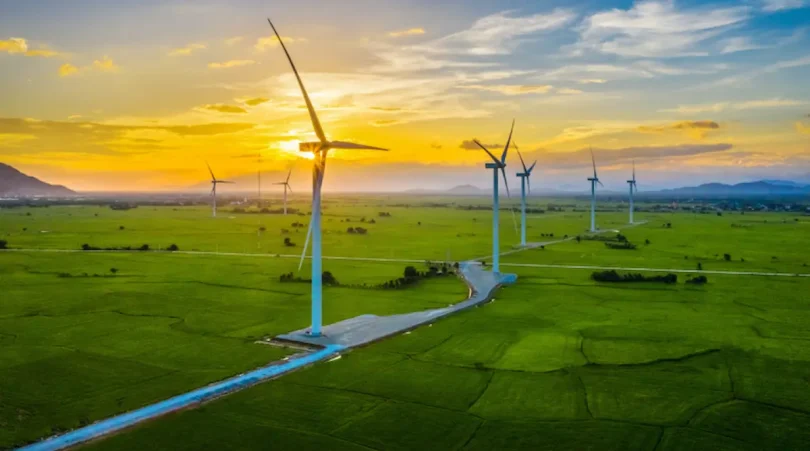

In today’s world, green energy trends are shaping the way we produce, consume, and think about electricity. With climate change concerns and the push for sustainable development, renewable energy is no longer optional—it’s essential. Green energy, which includes solar, wind, hydro, geothermal, and bioenergy, is helping reduce reliance on fossil fuels, lower carbon emissions, and create a cleaner planet for future generations.
This guide dives deep into the latest green energy trends, innovations, and strategies that are transforming the energy landscape globally.
1. Solar Energy: Shining Brighter Than Ever
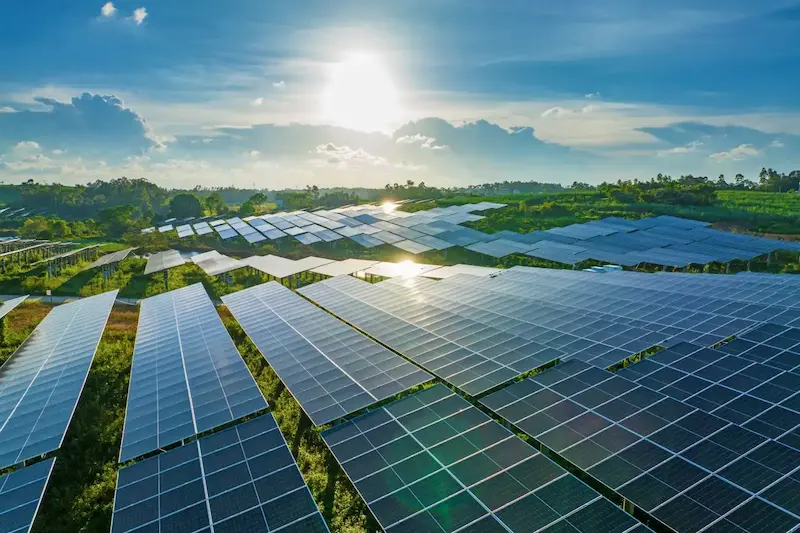
Solar energy remains the most prominent green energy trend. Advancements in photovoltaic (PV) technology have increased panel efficiency, reduced costs, and made solar power accessible to households and businesses alike.
- Rooftop solar adoption: More homeowners are installing solar panels to generate electricity for personal use, reducing monthly energy bills and carbon footprints.
- Large-scale solar farms: Countries like China, India, and the U.S. are investing in solar parks that produce gigawatts of clean energy annually.
- Solar storage systems: Innovations in battery storage, such as lithium-ion and solid-state batteries, are enabling solar energy to be stored and used even when the sun isn’t shining.
With solar energy costs continuing to drop, the trend is moving toward widespread adoption, both at the residential and industrial levels.
2. Wind Energy: Harnessing Nature’s Power
Wind energy continues to expand as a key player in green energy trends. Modern turbines are more efficient, larger, and quieter than ever. Wind farms can be both onshore and offshore, with offshore projects gaining momentum due to their high energy potential.
- Offshore wind farms: Countries with long coastlines, like the U.K., Germany, and China, are tapping offshore wind to generate significant electricity without using land space.
- Technological innovations: Advanced materials and turbine designs improve energy capture and reduce maintenance costs.
- Integration with grids: Wind energy is increasingly integrated with smart grids to manage variable production and supply.
Wind energy is expected to continue growing, particularly as offshore technology becomes more cost-effective.
3. Energy Storage and Smart Grids: Making Green Energy Reliable
One challenge of renewable energy is its intermittency—sunlight and wind aren’t constant. That’s where energy storage and smart grids come in. These solutions are central to the latest green energy trends.
- Large-scale batteries: Mega-batteries store excess electricity from solar and wind farms for use during peak demand.
- Smart grids: Advanced grids use sensors, automation, and data analytics to distribute energy efficiently and reduce wastage.
- Microgrids: Localized grids powered by renewable sources provide energy security, especially in remote or disaster-prone areas.
Energy storage technologies are evolving rapidly, ensuring that renewable energy can reliably meet global energy demands.
4. Green Hydrogen: Fueling the Clean Energy Revolution
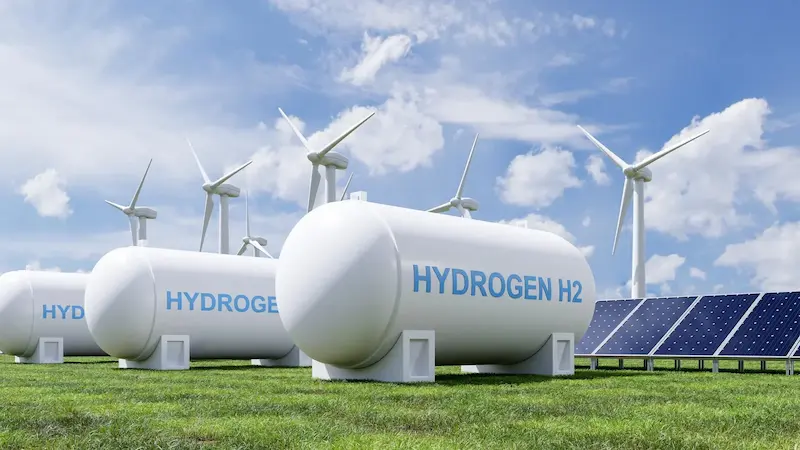
Green hydrogen is emerging as a promising fuel for the future. Produced by using renewable electricity to split water into hydrogen and oxygen, it offers a zero-emission alternative to fossil fuels.
- Industrial use: Hydrogen can replace natural gas in industries like steel production, reducing carbon emissions.
- Transportation: Hydrogen fuel cells power buses, trucks, and trains with only water as a byproduct.
- Energy storage: Hydrogen can store renewable energy for long periods, complementing solar and wind power.
Countries like Japan, Germany, and Australia are investing heavily in green hydrogen, positioning it as a cornerstone of future energy systems.
5. Electrification of Transportation: Driving Green Energy Forward
The shift to electric vehicles (EVs) is another crucial green energy trend. EVs reduce dependence on fossil fuels and cut greenhouse gas emissions.
- Charging infrastructure: Expanding networks of EV chargers powered by renewable energy make electric transport more feasible.
- Battery innovations: Higher-capacity, faster-charging batteries improve EV performance and adoption.
- Integration with renewable energy: Charging EVs with solar or wind energy maximizes environmental benefits.
With automakers pledging to transition their fleets to electric, the demand for clean electricity is expected to soar.
6. Corporate Commitment to Sustainability
Businesses play a key role in driving green energy adoption. Large corporations are increasingly pledging to go carbon-neutral or fully rely on renewable energy sources.
- Corporate renewable energy purchases: Companies are buying renewable energy certificates or investing directly in solar and wind projects.
- Sustainable supply chains: Companies are optimizing operations to reduce energy consumption and carbon emissions.
- Innovation and investment: Corporate investment in energy storage, hydrogen, and green technologies accelerates adoption globally.
Corporate sustainability initiatives are creating a ripple effect, pushing green energy technologies into mainstream adoption.
You may also like to read this:
Clean Energy News Today – Global Updates & Trends
Top Renewable Energy Updates You Need To Know Today
Latest Solar And Wind Energy News And Global Updates 2025
Top Clean Power Solutions News – Green Energy Updates
7. Government Policies and Incentives
Government policies are essential to supporting green energy trends. Incentives, subsidies, and regulations encourage renewable energy development.
- Subsidies and tax breaks: Reduce the upfront costs of installing solar panels, wind turbines, and battery systems.
- Renewable energy mandates: Require utilities to generate a certain percentage of electricity from renewable sources.
- Carbon pricing: Makes fossil fuel energy less competitive compared to cleaner alternatives.
- International cooperation: Agreements like the Paris Climate Accord encourage countries to invest in renewable energy projects.
Government support continues to be a key driver for accelerating the adoption of renewable energy worldwide.
8. Technological Innovations: Shaping the Future
The green energy trends of today are heavily influenced by technology. Some notable innovations include:
- Floating solar farms: Placing solar panels on water bodies reduces land use and increases efficiency.
- Hybrid renewable systems: Combining solar, wind, and battery storage for constant energy supply.
- AI and predictive analytics: Optimizing energy production and consumption patterns for maximum efficiency.
These innovations are helping renewable energy become more cost-effective, reliable, and accessible.
Conclusion
The momentum behind green energy trends is undeniable. From solar and wind to green hydrogen, energy storage, and electric transportation, renewable energy is reshaping the global energy landscape. Governments, corporations, and individuals all play a role in embracing sustainable power solutions. By staying informed about these trends, you can make smarter energy choices and contribute to a cleaner, greener planet.
The future is bright—and green.
FAQs on Green Energy Trends
1. What are green energy trends?
They are the latest developments in renewable energy, like solar, wind, hydro, and hydrogen, shaping sustainable power globally.
2. Why is green energy important?
It reduces carbon emissions, lowers reliance on fossil fuels, and promotes a cleaner, sustainable future.
3. What are the most popular green energy sources?
Solar and wind are the leading sources, with growing adoption of green hydrogen and energy storage solutions.
4. How does technology impact green energy?
Innovations like smart grids, batteries, AI management, and hybrid systems make renewable energy more efficient and reliable.
5. What is green hydrogen?
Hydrogen produced using renewable energy, offering zero-emission fuel for industries, transport, and power generation.


