
If you’ve ever wondered how electricity is evolving to become smarter, cleaner, and more reliable, you’re in the right place. Today, smart grid technology updates are transforming how we generate, distribute, and use electricity. Unlike traditional power grids, which passively deliver electricity in one direction—from power plants to homes—smart grids create a two-way conversation between consumers and providers.
This allows for better energy efficiency, faster problem detection, and integration of renewable energy sources. Let’s dive deep into what these updates mean for you and the energy industry.
What is a Smart Grid?
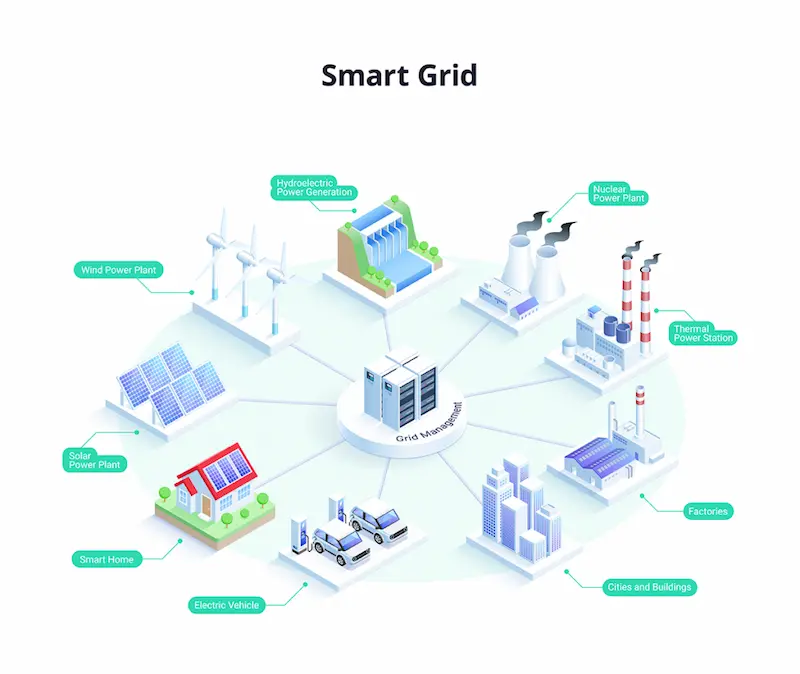
A smart grid is essentially an electricity network that uses digital communication technology to monitor and manage the flow of electricity. Traditional grids are like old highways: cars (electricity) move from one point to another without any feedback about traffic or road conditions. Smart grids, on the other hand, are like modern highways with sensors, real-time traffic updates, and automated management that prevent jams and accidents.
Key components of a smart grid include:
- Smart meters: Track electricity usage in real time.
- Sensors and IoT devices: Detect faults, monitor energy flow, and predict failures.
- Communication networks: Allow data to flow between consumers and utilities.
- Advanced software: Optimizes energy distribution, integrates renewables, and forecasts demand.
Latest Smart Grid Technology Updates
Let’s break down the most significant smart grid technology updates happening today:
1. Advanced Metering Infrastructure (AMI)
Smart meters are no longer just a trend—they are the backbone of modern smart grids. AMI systems provide two-way communication between electricity providers and consumers. These updates allow:
- Real-time monitoring of energy usage.
- Immediate outage detection and automated problem alerts.
- Dynamic pricing to help reduce peak demand costs.
- Personalized energy-saving recommendations for households and businesses.
For consumers, this means greater control and transparency. For utilities, it reduces operational costs and increases efficiency.
2. Integration of Renewable Energy
One of the most impactful updates is the improved integration of renewable energy sources such as solar and wind power. Smart grids now use:
- Advanced forecasting models: Predict when renewable energy will be available based on weather patterns.
- Energy management systems: Balance the supply from renewables with traditional energy sources.
- Grid-friendly inverters: Convert solar and wind energy efficiently for use in homes and businesses.
This update is critical for sustainability. It ensures that renewable energy contributes maximally while maintaining grid stability, even when natural conditions fluctuate.
3. Energy Storage Solutions
Energy storage technology is another game-changer. By storing excess energy during low-demand periods and releasing it when demand spikes, smart grids become more reliable. Recent developments include:
- Lithium-ion batteries: Compact and highly efficient, ideal for homes and commercial use.
- Flow batteries: Large-scale energy storage solutions with long lifespans.
- Vehicle-to-grid (V2G) systems: Electric vehicles act as energy storage devices that feed electricity back to the grid.
These updates reduce power outages, stabilize electricity costs, and allow better integration of renewables.
4. Artificial Intelligence and Machine Learning
AI and machine learning are increasingly central to smart grids. Here’s what they’re doing:
- Predicting energy demand: AI forecasts short- and long-term electricity needs to prevent overloads.
- Fault detection and prevention: Machine learning algorithms detect anomalies and predict equipment failures.
- Energy optimization: AI balances supply and demand to maximize efficiency and reduce costs.
This update makes grids smarter, safer, and more cost-effective for everyone.
5. Electric Vehicle Integration
Electric vehicles (EVs) are becoming more popular, and smart grids are adapting. Updates include:
- Smart charging stations: Charge EVs when electricity demand is low or renewable energy is abundant.
- Vehicle-to-grid technology: EVs can feed energy back into the grid during peak hours.
- Grid load management: Balances energy supply to handle EV charging without causing outages.
This integration creates a symbiotic relationship between EVs and smart grids, contributing to a cleaner, more efficient energy system.
6. Enhanced Cybersecurity
As grids become smarter and more connected, cybersecurity is a top priority. New updates include:
- Real-time threat monitoring: Detects and responds to cyberattacks immediately.
- Encryption and secure communication protocols: Protect data flowing between homes and utilities.
- Redundancy systems: Ensure critical functions continue during a cyberattack.
These measures ensure that smart grids are not only advanced but also safe and reliable.
You may also like to read this:
Energy Price Trends Explained: Tips To Manage Your Bills
Future Energy Technology Trends You Must Know
Renewable Energy Innovations: Powering A Sustainable Future
Clean Tech News Today: Latest Updates & Innovations
Battery Storage Technology News: Latest Updates 2026
Benefits of Smart Grid Technology Updates
The latest updates bring numerous benefits for both consumers and utility providers:
- Reliable Energy Supply: Outages are detected and resolved faster.
- Cost Efficiency: Reduced energy waste, dynamic pricing, and efficient grid management save money.
- Sustainability: Renewable energy sources are better integrated, reducing carbon emissions.
- Consumer Empowerment: Real-time energy monitoring allows people to take control of usage and costs.
- Resilient Grid: Energy storage and AI optimization help manage peak loads and emergency situations.
Challenges Still Ahead
Despite these advancements, there are challenges:
- High Infrastructure Costs: Upgrading traditional grids to smart grids requires significant investment.
- Skilled Workforce Needs: Managing a high-tech grid demands trained professionals.
- Data Privacy: Handling massive amounts of consumer data responsibly is critical.
- Regulatory Hurdles: Governments and agencies need to support these updates with proper regulations.
The Future of Smart Grids
The future of electricity is digital, decentralized, and intelligent. We can expect:
- Greater AI integration for predictive maintenance and optimization.
- More renewable energy adoption, including rooftop solar, wind, and community energy projects.
- Widespread adoption of EVs and energy storage solutions.
- Fully automated energy management systems that reduce costs and improve efficiency.
In short, smart grids are set to revolutionize the way we generate, distribute, and consume electricity.
FAQs About Smart Grid Technology Updates
Q1: Are smart grids only for large cities?
No. Smart grids can scale from urban centers to rural communities, providing benefits for all types of electricity networks.
Q2: How do smart grids help save money for consumers?
Smart meters, dynamic pricing, and real-time energy monitoring allow consumers to use electricity more efficiently and reduce wastage.
Q3: Can smart grids handle renewable energy fluctuations?
Yes. Advanced forecasting, energy storage, and AI help stabilize renewable energy integration.
Q4: Are smart grids safe from cyber threats?
Yes, ongoing cybersecurity updates and secure communication protocols make smart grids safer than ever.
Conclusion
Keeping up with smart grid technology updates is crucial for understanding the future of energy. From AI-driven optimization and renewable energy integration to energy storage solutions and electric vehicle management, smart grids are creating a more efficient, reliable, and sustainable power system. These innovations don’t just improve electricity delivery—they empower consumers, protect the environment, and make our energy infrastructure resilient against the challenges of tomorrow.
With these updates, the way we use and interact with electricity is changing, and the future looks brighter, smarter, and greener than ever.