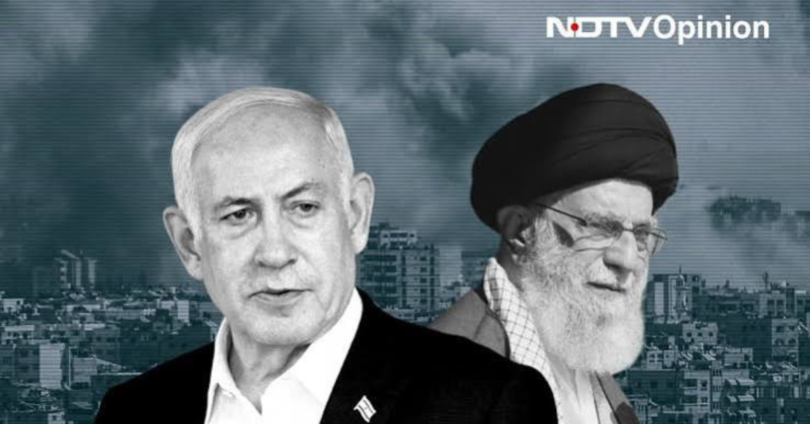

Introduction to Iran Israel News
Iran Israel News covers political developments, military confrontations, diplomatic negotiations, and regional security issues involving Iran and Israel. These developments also involve other countries, including the United States and nations across the Middle East. Following reliable news updates helps readers understand how the conflict develops and how it may affect international relations, energy markets, and regional stability.
In 2026, the conflict has expanded beyond the longstanding rivalry between Iran and Israel. Military actions involving the United States, tensions around the Strait of Hormuz, and continuing diplomatic efforts have made the situation an important international news topic.
Overview of the Iran–Israel Conflict
The Iran–Israel conflict has developed over decades through political hostility, security concerns, regional alliances, and indirect confrontations. Disagreements over Iran’s nuclear program, Israel’s security, and the influence of regional armed groups have contributed to tensions between the two countries.
In February 2026, the United States and Israel launched attacks on Iran, targeting nuclear and military infrastructure. The conflict subsequently involved ceasefire efforts, renewed military incidents, and negotiations aimed at reducing hostilities. According to the Council on Foreign Relations’ conflict tracker, major disagreements remain over Iran’s nuclear program, sanctions, and security in the Strait of Hormuz.
These developments show why Iran Israel News includes more than battlefield updates. Diplomatic discussions, economic restrictions, military decisions, and the involvement of neighbouring countries are also important parts of the story.
Why Iran Israel News Is Important in 2026
Iran Israel News is particularly important in 2026 because continued regional tensions have raised concerns about further military escalation, international diplomacy, and global economic stability.
As reported on October 22, 2026, tensions around the Strait of Hormuz remained a major concern, with reports of attacks on vessels and continued indirect negotiations between Iran and the United States. The waterway is an important route for international energy shipments, making developments there significant for countries that depend on imported oil. Read the latest coverage from CBS News.
Readers following Iran Israel News can learn about:
- New military developments and reported attacks.
- Diplomatic meetings, ceasefire proposals, and negotiations.
- Statements from Iranian, Israeli, American, and regional officials.
- Changes affecting oil prices, shipping, and international trade.
- Humanitarian concerns and the impact on civilians.
Because information can change rapidly during a conflict, readers should compare reports from credible news organisations and distinguish confirmed facts from official claims and unverified reports.
The Impact of Regional Tensions on Global Affairs
Tensions involving Iran and Israel can affect international affairs in several important ways. The consequences may extend to countries far beyond the Middle East through energy markets, shipping routes, diplomatic relationships, and security policies.
Global oil prices and energy supplies: Disruptions or threats to shipping through the Strait of Hormuz can increase concerns about oil availability and transportation costs. These concerns may contribute to changes in international oil prices and affect fuel costs in importing countries.
International trade and shipping: Security risks in regional waterways can lead shipping companies to reassess routes, insurance costs, and delivery schedules. Longer or more expensive transport can affect supply chains and the prices of goods.
Diplomatic relations: Governments may seek negotiations, support mediation efforts, or adjust their diplomatic positions in response to the conflict. Countries such as Pakistan and Qatar have been involved in efforts to facilitate communication between Iran and the United States.
Regional security: Continued hostilities can increase security concerns for neighbouring countries and place pressure on governments to protect their citizens, infrastructure, and economic interests.
Humanitarian consequences: Armed conflict can cause deaths, injuries, displacement, and damage to homes and essential services. Humanitarian access and the protection of civilians remain important issues during periods of escalation.
For these reasons, Iran Israel News is relevant to readers interested in international politics, business, energy, security, and humanitarian affairs. Reliable reporting helps readers understand the wider consequences of regional developments without relying on rumours or unverified social media posts.
History of Iran and Israel Relations
The history of Iran and Israel relations includes periods of cooperation, political change, and growing hostility. Although the two countries are now widely associated with regional rivalry, their relationship was considerably different before the Iranian Revolution of 1979. Over time, changes in government, regional alliances, and national security priorities transformed their relationship and influenced Middle Eastern politics.
Relations Before the 1979 Iranian Revolution
Before 1979, Iran and Israel maintained important economic, strategic, and security ties under Iran’s monarchy, led by Shah Mohammad Reza Pahlavi. Although Iran did not formally recognise Israel in the same way as a fully established diplomatic relationship, the two countries developed practical cooperation in several areas.
During the 1950s, Israel sought closer relationships with non-Arab countries in the Middle East. Iran was a valuable partner because both countries had concerns about regional rivalries, Soviet influence, and the political ambitions of some neighbouring states.
Economic cooperation was also significant. Iran supplied oil to Israel, while Israeli businesses and experts participated in projects involving agriculture, infrastructure, and technology. The two countries also developed security and intelligence cooperation.
However, their relationship was not universally supported inside Iran. Religious leaders, nationalists, and other opponents of the shah criticised his government’s close ties with Israel. The relationship therefore combined strategic cooperation between governments with political disagreement among sections of Iranian society. <Cite refs={[“turn935901search0″,”turn935901search2”]}/>
How Political Changes Increased Tensions
The Iranian Revolution of 1979 was a major turning point in relations between Iran and Israel. The revolution overthrew the monarchy and established the Islamic Republic under Ayatollah Ruhollah Khomeini.
The new Iranian leadership adopted a strongly anti-Israel foreign policy and made support for the Palestinian cause an important part of its political position. Iran ended its previous official relationship with Israel, and the former Israeli mission in Tehran was handed over to Palestinian representatives. The change marked a sharp break with the shah’s approach to regional diplomacy. <Cite refs={[“turn935901search0″,”turn935901search1”]}/>
Several developments contributed to the continuing deterioration of relations:
- Ideological differences: Iran’s new leadership rejected Israel’s legitimacy, while Israeli leaders increasingly viewed Iran’s policies as a threat to national security.
- Support for Palestinian groups: Iran developed relationships with armed groups opposed to Israel, including Hezbollah in Lebanon and Palestinian Islamic Jihad.
- Military and nuclear concerns: Israel expressed serious concerns about Iran’s nuclear activities and missile capabilities, while Iran criticised Israeli military actions and regional policies.
- Changing international alliances: Iran’s hostility toward the United States and Israel became a central feature of its foreign policy, while Israel maintained close security ties with Washington.
Despite the public hostility, the relationship was not entirely free of pragmatic contacts during the 1980s. During the Iran–Iraq War, secret arms transactions involving Israel and Iran took place, illustrating how immediate strategic interests sometimes differed from public political positions. <Cite refs={[“turn935901search1″,”turn935901search3”]}/>
The Role of Regional Rivalries and Security Concerns
Regional rivalries have played a major role in shaping Iran and Israel relations. Both countries seek to protect their national security and influence events in the Middle East, but they frequently disagree over the role of regional governments, armed groups, and foreign powers.
Competition for regional influence: Iran has developed relationships with political and armed groups in several parts of the Middle East. Israel considers some of these groups serious security threats, particularly when they possess weapons capable of reaching Israeli territory. Iran, meanwhile, presents its regional partnerships as part of its broader strategic and political objectives.
Hezbollah and regional confrontations: Hezbollah, based in Lebanon, has become one of the most significant factors in the Iran–Israel rivalry. Iran provides support to the group, while Israel views its military capabilities and presence near Israel’s northern border as major security concerns. Repeated confrontations involving Israel and Hezbollah have contributed to wider regional instability. <Cite refs={[“turn935901search1″,”turn935901search2”]}/>
Iran’s nuclear program: Iran’s nuclear activities have been another central source of tension. Iranian officials have maintained that their nuclear program serves peaceful purposes, while Israel has raised concerns about the possibility of Iran developing nuclear weapons. International negotiations, sanctions, inspections, and military threats have all influenced this dispute.
The role of the United States: American relations with both countries have also affected the regional balance. The United States is a close security partner of Israel and has imposed extensive sanctions on Iran. Differences over sanctions, nuclear negotiations, military operations, and regional security have added further complexity to the rivalry.
Overall, the history of Iran and Israel relations demonstrates how political revolutions, ideological differences, military concerns, and competition for regional influence can transform relations between countries. Understanding this background helps readers interpret current Iran–Israel news and assess how developments may affect diplomacy, security, and stability across the Middle East.
Latest Iran Israel News in October 2026
Iran Israel News in October 2026 continues to focus on military developments, warnings from political leaders, diplomatic negotiations, and security concerns across the Middle East. The wider conflict involving Iran, Israel, and the United States has also raised concerns about commercial shipping, energy supplies, and regional stability.
As of October 22, reports indicate that tensions remain high, with threats of renewed military action occurring alongside indirect diplomatic efforts. Readers should remember that information from officials and military sources may be disputed or independently unverified.
Recent Military Developments and Reported Attacks
Military developments remain a major part of Iran Israel News. Reports published on October 21 and 22 described renewed concerns about possible strikes, military activity near Iran, and incidents involving vessels in the Persian Gulf region.
According to reporting by The Jerusalem Post, citing Reuters, explosions were reportedly heard near Iran’s Sirik port following a US military strike. Separate reports described Israeli Air Force aircraft conducting a practice sortie near the Iranian border. These reports highlight continuing military preparations and the risk of further escalation. Read the latest regional updates.
Maritime incidents have also attracted attention. On October 22, Iranian state media reported that seven vessels had been affected in the Persian Gulf region. Iran’s Islamic Revolutionary Guard Corps Navy said four vessels caught fire during oil transfers and three others encountered naval mines west of the Strait of Hormuz. The details and responsibility for individual incidents should be assessed through further independent reporting. Read the Associated Press report.
These developments demonstrate why readers should monitor verified reports rather than rely on unconfirmed social media videos or claims about military operations.
Statements from Iranian and Israeli Officials
Statements from Iranian and Israeli leaders, along with comments from the United States, help explain the positions being taken during the conflict. However, official statements represent the positions of the governments making them and do not necessarily provide a complete or independently verified account of events.
On October 19, reporting by Iran International described renewed warnings from US President Donald Trump and Israeli Prime Minister Benjamin Netanyahu about possible further action against Iran. Iranian officials, meanwhile, warned that additional attacks could prompt retaliation. These exchanges indicated that the possibility of renewed military confrontation remained a central concern. Read the report from Iran International.
Iranian military officials have also warned that attacks on Iranian infrastructure could lead to retaliation against US interests in the region. Such statements underline the risk that a direct confrontation could extend beyond Iran and Israel.
When following these developments, readers should distinguish between a political warning, an announced military operation, and an independently confirmed attack. This distinction is important for understanding the actual security situation.
Current Diplomatic Efforts and Ceasefire Challenges
Diplomatic efforts remain important because military escalation could affect the wider Middle East and international trade. Iran and the United States have continued indirect discussions through mediators, but disagreements over the terms of a ceasefire have complicated negotiations.
According to CBS News reporting updated on October 21, Iranian Foreign Minister Abbas Araghchi said indirect negotiations were continuing over a seven-day ceasefire proposal first presented in September. The proposal included ending the US naval blockade of Iranian ports, lifting sanctions on Iranian oil sales, reopening the Strait of Hormuz, and releasing frozen Iranian assets. The United States has sought additional conditions, and the parties have not reached a confirmed final agreement. Read the CBS News live coverage.
Several issues continue to complicate the diplomatic process:
- Disagreements over conditions: Iran and the United States have different positions on sanctions, maritime restrictions, and the sequence of steps required for a ceasefire.
- Security concerns: Both sides have raised concerns about attacks, retaliation, and protection of military and civilian infrastructure.
- Regional involvement: Developments involving Israel and other regional actors make it more difficult to establish arrangements that address all fronts of the conflict.
- Lack of a final agreement: Continuing discussions do not necessarily mean that a ceasefire has been accepted or implemented.
Diplomatic developments can change quickly. Readers should check the latest official statements and credible reporting before concluding that an agreement has been reached.
Updates on Regional Security and Maritime Activity
Regional security and maritime activity are closely connected to the Iran–Israel conflict. The Strait of Hormuz, located between Iran and the Arabian Peninsula, is a strategically important waterway for international energy shipments. Disruptions there can affect shipping routes, insurance costs, oil prices, and the supply of energy to importing countries.
On October 18, CBS News reported that the United Kingdom Maritime Trade Operations monitoring agency had recorded at least 10 vessel attacks in or near the Strait of Hormuz during the preceding week. The report also described an incident involving a tugboat struck by two unidentified projectiles near the United Arab Emirates. These incidents demonstrate the risks facing commercial vessels in the region. Read the CBS News maritime and ceasefire updates.
Maritime concerns include:
Commercial shipping safety: Vessel operators may need to adjust routes, review security procedures, or delay journeys when risks increase.
Oil and fuel markets: Uncertainty about access to the Strait of Hormuz can influence global energy prices and raise concerns about fuel costs in countries that depend on imported oil.
Regional military readiness: Governments may increase surveillance, protect shipping lanes, or strengthen security around important ports and infrastructure.
International diplomatic coordination: Countries and maritime organisations may work to protect commercial vessels and encourage measures that reduce the risk of further incidents.
For readers following Iran Israel News in October 2026, the key issues are whether military activity intensifies, whether indirect negotiations produce a workable ceasefire, and whether commercial shipping can operate more safely. Since the situation remains fluid, all major developments should be checked against current, credible reports and official announcements.
Main Reasons Behind the Iran Israel Conflict
The Iran–Israel conflict is driven by several interconnected political, military, and strategic issues. Although the two countries maintained closer relations before Iran’s 1979 Islamic Revolution, their relationship later became increasingly hostile. Disagreements over Iran’s nuclear program, regional alliances, missile capabilities, and national security have contributed to repeated confrontations.
Understanding these underlying issues helps explain why tensions have continued and why diplomatic efforts have struggled to establish lasting stability in the Middle East.
Disagreements Over Iran’s Nuclear Program
Iran’s nuclear program is one of the central sources of tension between Iran and Israel. Iran maintains that its nuclear activities serve peaceful purposes, including energy production and scientific research. Israel, however, considers the possibility of Iran developing nuclear weapons a major national security concern.
International negotiations have attempted to address these disagreements through restrictions, monitoring, inspections, and sanctions. The 2015 Joint Comprehensive Plan of Action (JCPOA) placed limits on parts of Iran’s nuclear program in exchange for sanctions relief. However, the agreement weakened after the United States withdrew from it in 2018, and disagreements over nuclear activities and international monitoring continued. <Cite refs={[“turn481346news36″,”turn481346search8″,”turn481346search10”]}/>
The issue became even more significant during the military escalation of 2025 and 2026, when Israel and the United States conducted strikes against Iranian nuclear and military infrastructure.
Key concerns include:
- Israel’s concern that Iran could develop nuclear weapons.
- Iran’s position that it has the right to pursue peaceful nuclear technology.
- Disagreements about uranium enrichment and international inspections.
- The difficulty of reaching an agreement that addresses security concerns and Iran’s nuclear activities.
These disagreements remain a major obstacle to improving relations between the two countries.
Military Security and Regional Influence
Military security and competition for regional influence are also important causes of the Iran–Israel conflict. Both countries view developments across the Middle East through the lens of their national security, but they often disagree about which activities pose the greatest threats.
Iran has established relationships with regional groups, including Hezbollah in Lebanon. It has also supported other groups that oppose Israeli policies. Iran views these relationships as part of its regional strategy, while Israel considers the weapons and military capabilities of some Iran-backed groups serious security threats.
Israel has carried out military operations against Iranian-linked targets and groups in several parts of the region. Iranian officials have condemned these actions and have argued that Iran has the right to defend itself and its interests.
Several factors contribute to this competition:
- Regional alliances: Both countries seek relationships that support their strategic objectives.
- Military infrastructure: Missile facilities, air defences, weapons supplies, and military bases are important security concerns.
- Influence in neighbouring countries: Developments in Lebanon, Syria, Iraq, and other parts of the region can affect the security calculations of both countries.
- National defence policies: Each government presents its military decisions as responses to perceived threats, although the two sides frequently disagree about the causes and justification of those actions.
This competition has made it difficult to separate direct Iran–Israel confrontations from wider regional conflicts. <Cite refs={[“turn481346search5″,”turn481346search13″,”turn481346search15”]}/>
Missile Attacks and Retaliatory Actions
Missile attacks and retaliatory military actions have intensified the conflict. For years, Iran and Israel were involved in indirect confrontations, including attacks on military assets and operations attributed to one another. In recent years, the conflict has increasingly included direct exchanges of missiles, drones, and airstrikes.
In April 2024, Iran launched a direct attack on Israel involving drones and missiles following an attack on an Iranian diplomatic compound in Damascus that Iran attributed to Israel. Israel later carried out strikes against Iranian targets. The exchanges marked a significant change in the pattern of confrontation between the two countries. <Cite refs={[“turn481346search7″,”turn481346search14”]}/>
The conflict escalated further during the military operations of 2025 and 2026. On February 28, 2026, Israel and the United States began strikes against Iran, and Iran responded with attacks against Israel and targets in the wider region. Subsequent military actions increased concerns about further escalation and the safety of civilians. <Cite refs={[“turn481346search0″,”turn481346search1”]}/>
Missile attacks and retaliation can contribute to a continuing cycle of confrontation:
- One side carries out a military operation or claims to be responding to a threat.
- The other side views the action as a security threat and considers retaliation.
- Additional attacks increase military readiness and political pressure.
- Diplomatic negotiations become more difficult as mistrust grows.
Missile and drone capabilities therefore play an important role in both countries’ defence planning and in the wider regional security situation.
Political Tensions Between the Two Countries
Political tensions have shaped Iran and Israel relations for decades. Before the 1979 Iranian Revolution, the two countries maintained strategic and economic cooperation. Following the revolution, Iran’s new Islamic Republic adopted a strongly anti-Israel position, and the previous relationship deteriorated sharply. <Cite refs={[“turn481346search5″,”turn481346search7”]}/>
Since then, political disagreements have extended beyond territorial security and military capabilities. Iran has made support for the Palestinian cause an important part of its foreign policy, while Israel views Iran’s opposition and support for armed groups as major threats to its security.
The two governments also disagree over the future political and security order of the Middle East. Sanctions, diplomatic isolation, competing alliances, and public statements from political leaders have further complicated their relationship.
Political tensions are reinforced by several issues:
- Ideological differences: The Iranian government rejects Israel’s legitimacy, while Israeli leaders regard Iran’s policies and military capabilities as serious security concerns.
- Diplomatic mistrust: Repeated confrontations have reduced confidence in negotiations and security commitments.
- International alliances: Israel’s close relationship with the United States and Iran’s relationships with other international partners affect the regional balance.
- The Palestinian issue: Iran’s support for Palestinian groups and Israel’s security policies remain major sources of disagreement.
Overall, the Iran–Israel conflict cannot be explained by a single event or disagreement. Nuclear concerns, regional competition, missile attacks, and long-standing political hostility have all contributed to the rivalry. Addressing these issues would require sustained diplomatic efforts, security arrangements, and agreements that reduce the risk of further military escalation.
Role of the United States in Iran Israel News
The United States plays a major role in Iran Israel News because of its close relationship with Israel, its longstanding disagreements with Iran, and its wider security and economic interests in the Middle East. US policies influence military developments, international sanctions, diplomatic negotiations, and efforts to protect important shipping routes.
In 2026, the American role has become especially significant because the United States has participated directly in military operations against Iran while also remaining involved in discussions aimed at reducing hostilities. Understanding Washington’s decisions helps readers follow developments in the Iran–Israel conflict and their wider international consequences.
US Support for Israel
The United States has maintained a close strategic relationship with Israel for decades. This partnership includes military assistance, intelligence cooperation, missile defence, joint security planning, and diplomatic coordination.
American support is based partly on its commitment to Israel’s security and shared concerns about Iran’s nuclear activities and regional military influence. The two countries cooperate on defensive systems intended to intercept incoming missiles and other aerial threats.
In 2026, cooperation between the US and Israeli militaries has continued during the conflict with Iran. The Council on Foreign Relations reported that the two countries strengthened military coordination, including intelligence sharing and operational cooperation. However, their governments have not always agreed on every aspect of regional policy or the timing of military action. <Cite refs={[“turn867830search2″,”turn867830search0”]}/>
Key areas of US support for Israel include:
- Military assistance: Support for Israel’s defence capabilities and access to American military equipment.
- Missile defence: Cooperation on systems designed to intercept missiles and other incoming threats.
- Intelligence sharing: Exchange of information about regional security threats.
- Diplomatic cooperation: Coordination on international security issues and efforts to address Iran’s nuclear program.
This partnership is an important factor in Iran Israel News because decisions made in Washington can influence Israel’s military options and the wider regional security environment.
US Military Involvement in the Conflict
The United States has moved beyond diplomatic support and military assistance to direct involvement in the conflict with Iran.
On February 28, 2026, US and Israeli forces launched strikes against Iran, targeting nuclear and military infrastructure. Iran responded with attacks against Israel and targets associated with the United States across the region. The fighting expanded the conflict and increased concerns about the security of neighbouring countries and international shipping. <Cite refs={[“turn867830search0″,”turn867830search1”]}/>
American military involvement has included operations intended to weaken Iran’s missile capabilities, damage military infrastructure, and address what US officials describe as threats to American forces and regional partners.
The US military has also played a role in the security of the Strait of Hormuz, an important international shipping route for oil and other energy products. However, military operations around the waterway have themselves become part of the wider confrontation between Washington and Tehran.
Military involvement carries several potential consequences:
- Increased risk of retaliatory attacks against US forces and regional partners.
- Greater pressure on commercial shipping and energy infrastructure.
- Higher military expenditure and demands on equipment supplies.
- Additional challenges for diplomatic negotiations and regional stability.
The extent and objectives of US military operations may change over time. Readers should therefore consult current reporting and official statements when following new developments.
Sanctions and Diplomatic Negotiations
Economic sanctions are another major part of US policy toward Iran. Washington has used sanctions to restrict financial transactions, oil exports, and activities involving individuals or organisations accused of supporting Iran’s military programs or regional operations.
US officials have presented sanctions as a way to pressure Iran over nuclear activities, military capabilities, and regional security. Iranian officials have criticised the measures, arguing that they damage the country’s economy and place pressure on ordinary citizens.
In 2026, sanctions have continued alongside military confrontation and negotiations. According to a Congressional Research Service report updated in September 2026, disagreements over sanctions relief, Iran’s nuclear program, and the Strait of Hormuz remain important obstacles to a broader settlement. <Cite refs={[“turn867830search1″,”turn867830search3”]}/>
Diplomatic negotiations have explored possible steps to reduce tensions, including reopening the Strait of Hormuz, easing restrictions on Iranian economic activity, and establishing arrangements to prevent renewed fighting.
Several issues complicate these efforts:
- Sanctions relief: Iran seeks the removal or easing of economic restrictions, while Washington has linked relief to broader security objectives.
- Nuclear concerns: The two sides disagree over what restrictions and monitoring arrangements are necessary.
- Maritime security: Safe and unrestricted commercial navigation through the Strait of Hormuz remains a major issue.
- Trust and implementation: Previous agreements and ceasefire arrangements have failed to produce a durable settlement, making both sides cautious about new commitments.
Negotiations can continue even when the parties disagree on major issues. However, discussions should not be mistaken for a final agreement unless the relevant parties formally confirm its terms.
Efforts to Reduce Regional Escalation
Despite its military involvement, the United States also has reasons to prevent the conflict from expanding further. A wider regional war could threaten American personnel, regional partners, commercial shipping, energy supplies, and the security of neighbouring countries.
Diplomatic efforts have included discussions with Iran, coordination with Israel, and engagement with regional governments seeking to reduce hostilities. Pakistan and other regional actors have also played roles in facilitating communication or encouraging negotiations at different stages of the conflict.
The Council on Foreign Relations reported in September 2026 that earlier ceasefire and diplomatic arrangements had failed to establish a lasting settlement, while the United States and Iran continued to face disputes over sanctions, nuclear issues, and maritime security. <Cite refs={[“turn867830search0″,”turn867830search1”]}/>
Efforts to reduce escalation may involve:
Ceasefire discussions: Negotiating a halt to attacks and establishing conditions for preventing renewed hostilities.
Maritime security: Working toward safer commercial navigation through the Strait of Hormuz and reducing threats to civilian vessels.
Regional diplomacy: Engaging governments that have an interest in preventing the conflict from spreading across the Middle East.
Security communication: Using diplomatic channels to reduce misunderstandings, communicate demands, and avoid unintended military escalation.
Long-term agreements: Addressing nuclear concerns, sanctions, and regional security through arrangements that the parties are willing and able to implement.
The United States therefore has a dual role in the conflict: it is a military partner of Israel and a direct participant in hostilities against Iran, while also being an important party to negotiations intended to reduce the risk of further escalation. The outcome will depend on military developments, diplomatic decisions, and whether the parties can reach an agreement on their central security and political disagreements.
Impact of the Conflict on the Middle East
The Iran–Israel conflict has affected countries across the Middle East through military confrontations, security threats, economic disruption, and humanitarian challenges. The wider conflict involving Iran, Israel, and the United States has placed additional pressure on neighbouring countries, commercial shipping routes, energy infrastructure, and already vulnerable communities.
In 2026, the consequences have extended beyond the countries directly involved in the fighting. Lebanon has experienced severe displacement, Gulf countries have faced security concerns, and disruptions around the Strait of Hormuz have raised concerns about international energy supplies. Understanding these effects helps readers follow Iran Israel News and its wider regional implications.
Security Concerns in Neighboring Countries
The conflict has increased security concerns for countries near Iran and Israel. Missile and drone attacks, military interceptions, airspace restrictions, and threats to important infrastructure have created challenges for governments across the region.
According to a June 2026 report by the US Congressional Research Service, the conflict has exposed Gulf Cooperation Council countries—including Saudi Arabia, the United Arab Emirates, Qatar, Kuwait, Bahrain, and Oman—to security risks involving military facilities, energy infrastructure, and commercial activity. The report also described disruptions to aviation, tourism, and regional economic activity. Read the Congressional Research Service report.
Several security concerns have become particularly important:
- Missile and drone threats: Countries in the region have faced the risk of attacks or falling debris from intercepted projectiles.
- Protection of critical infrastructure: Airports, ports, oil facilities, power systems, and other essential installations require additional security measures.
- Airspace restrictions: Military activity can force airlines to change routes or suspend flights, affecting travellers and commercial transport.
- Regional military preparedness: Governments may increase surveillance, strengthen air defence systems, and coordinate with international security partners.
These challenges demonstrate how a conflict involving a few countries can affect the security planning and daily operations of many neighbouring states.
Effects on Lebanon, Iraq, and Gulf Countries
The impact of the conflict varies from country to country. Some face direct military threats, while others experience economic pressure, political challenges, or disruption to trade and transportation.
Lebanon
Lebanon has experienced serious consequences because of fighting involving Israel and Hezbollah, an armed group supported by Iran. Cross-border hostilities and Israeli military operations have caused civilian casualties, damaged infrastructure, and displaced large numbers of people.
An ACAPS assessment published in June 2026 reported that more than one million people had been displaced in Lebanon during the intensified fighting that began in March. The crisis has placed additional pressure on housing, healthcare, water supplies, and humanitarian assistance. Read the ACAPS Middle East conflict assessment.
The situation also creates political challenges within Lebanon, where communities and political groups have differing views about Hezbollah’s military role and the country’s approach to the conflict.
Iraq
Iraq faces a complex situation because it maintains relationships with both the United States and Iran. The country also has armed groups with varying degrees of political and military influence, including groups aligned with Iran.
Regional hostilities can threaten Iraqi infrastructure, complicate government security decisions, and disrupt economic activity. Disruption to oil exports and regional transport routes can also affect public revenue and the wider Iraqi economy.
Iraq’s government faces the challenge of protecting national sovereignty, reducing the risk of attacks on its territory, and preventing regional confrontations from worsening internal political divisions.
Gulf Countries
Gulf countries are particularly concerned about missile and drone threats, energy infrastructure, and the safety of commercial shipping.
Saudi Arabia, the United Arab Emirates, Qatar, Kuwait, Bahrain, and Oman have different relationships with Iran and different approaches to regional diplomacy. Some have focused on security cooperation and defence, while others have emphasised mediation and diplomatic engagement.
The Strait of Hormuz is especially important because it connects the Persian Gulf with international shipping routes. Disruptions to traffic through this waterway can affect oil and gas exports, transportation costs, and energy supplies to countries around the world.
The conflict has therefore created both immediate security concerns and longer-term questions about regional cooperation, economic resilience, and maritime security.
Civilian Safety and Humanitarian Challenges
Civilian safety is one of the most serious concerns associated with the conflict. Military attacks can cause deaths and injuries, destroy homes, interrupt essential services, and force families to leave their communities.
A September 2026 analysis by the Carnegie Endowment for International Peace described major humanitarian and public-health consequences of the war, including displacement, damage to healthcare facilities, pollution, and difficulties obtaining essential medicines. The assessment also highlighted risks to water and sanitation systems in affected areas. Read the Carnegie Endowment analysis.
Important humanitarian challenges include:
Displacement and Housing
Families forced to leave their homes may need temporary accommodation, food, clean water, clothing, and protection. Displacement can also interrupt children’s education and make it difficult for people to maintain employment or access essential documents.
Healthcare and Medical Supplies
Damaged hospitals, shortages of medical supplies, electricity disruptions, and difficulties travelling to healthcare facilities can prevent people from receiving timely treatment. People with ongoing medical needs may face particular difficulties when regular care or medicine supplies are interrupted.
Food, Water, and Essential Services
Damage to infrastructure and interruptions to transportation can affect access to clean water, food, sanitation, and electricity. These problems can increase the risk of infectious diseases and make daily life more difficult for displaced communities.
Children and Vulnerable Communities
Children, older people, people with disabilities, and families with limited financial resources may face additional barriers to safety and assistance. Disrupted schooling, separation from relatives, and prolonged uncertainty can also have lasting emotional effects.
Humanitarian organisations emphasise the importance of protecting civilians, maintaining access to essential services, and allowing aid to reach people who need it.
Risks of a Wider Regional Conflict
One of the main concerns surrounding the Iran–Israel conflict is the possibility that continued military escalation could draw more countries and armed groups into the fighting. The Middle East includes interconnected security relationships, political alliances, and important trade routes, meaning that developments in one location can have consequences elsewhere.
Several factors could increase the risk of a wider conflict:
- Retaliatory military actions: An attack on military personnel or important infrastructure may trigger further attacks.
- Involvement of regional armed groups: Fighting involving Hezbollah or other Iran-aligned groups can expand the number of active fronts.
- Threats to shipping routes: Disruptions around the Strait of Hormuz can create pressure on energy markets and increase international involvement in maritime security.
- Damage to energy infrastructure: Attacks on oil, gas, electricity, or water facilities can affect neighbouring countries and international markets.
- Diplomatic breakdowns: Failed negotiations or the collapse of ceasefire arrangements can make further escalation more difficult to prevent.
An ACAPS assessment published in July 2026 noted that the conflict’s consequences extend beyond the immediate battlefield, affecting trade, energy and fertiliser markets, financial flows, and humanitarian supply chains. The organisation also outlined different possible paths for the conflict through the end of 2026, reflecting uncertainty about future developments. Explore the ACAPS conflict analysis.
Preventing a wider conflict depends on multiple factors, including restraint by the parties, effective diplomatic communication, protection of civilian infrastructure, and arrangements that reduce the likelihood of further attacks.
Overall, the Iran–Israel conflict has consequences that reach across the Middle East, from Lebanon’s humanitarian crisis to Gulf security concerns and the economic importance of maritime trade. Continued reporting should therefore consider not only military developments but also their effects on civilians, neighbouring countries, and regional stability.
Iran Israel Conflict and Global Oil Prices
The Iran–Israel conflict has become an important factor affecting global energy markets, international trade, and transportation costs. Military confrontations involving Iran, Israel, and the United States have raised concerns about oil production, tanker movements, and the safety of major shipping routes in the Middle East.
One of the most important issues is the Strait of Hormuz, a strategic waterway through which large quantities of oil and liquefied natural gas travel to international markets. When conflict threatens this route, oil prices can rise because traders worry about supply shortages, transportation delays, and higher shipping costs. These developments can eventually affect petrol and diesel prices in countries around the world. <Cite refs={[“turn604419search0″,”turn604419search1”]}/>
Why the Strait of Hormuz Is Important
The Strait of Hormuz connects the Persian Gulf with the Gulf of Oman and the Arabian Sea. It is a critical passage for energy exports from major oil- and gas-producing countries, including Saudi Arabia, Iraq, Kuwait, Qatar, the United Arab Emirates, and Iran.
According to the UK House of Commons Library, before the 2026 conflict, approximately 20% of global petroleum and 20% of liquefied natural gas passed through the strait. This makes it one of the world’s most important energy shipping chokepoints. <Cite refs={[“turn604419search1″,”turn604419search16”]}/>
Several factors explain its importance:
- Global energy supplies: Many countries rely on oil and gas exported from the Persian Gulf.
- Asian energy markets: Major importers in Asia depend heavily on shipments travelling through the region.
- Limited alternative routes: Pipelines can bypass parts of the strait, but available alternatives cannot easily replace all the shipping capacity.
- International economic stability: Disruptions can affect energy prices, transportation expenses, industrial production, and household budgets.
When shipping through the Strait of Hormuz becomes more dangerous or restricted, buyers may compete for available supplies from other sources. This can put upward pressure on global oil prices even in countries that do not import oil directly from the Persian Gulf.
You may also like to read these posts:
US Iran News Today: Latest Updates on Tensions and Talks
Latest Tamil News 2026: Tamil Nadu Headlines and Important Updates
MD 360 News Today: Latest Updates, Breaking News, and Important Headlines in 2026
Effects of Maritime Attacks on Oil Transportation
Maritime attacks and threats to commercial vessels can interrupt oil transportation without necessarily stopping every shipment. When tanker operators face increased risks, they may delay journeys, change routes, seek naval protection, or reconsider whether a particular voyage is commercially viable.
In an October 8, 2026 report, Reuters described increased risks to tankers travelling through the Strait of Hormuz following warnings from Iran and a rise in attacks on vessels. The report also noted that some Gulf oil producers were using alternative shipping arrangements to move supplies. <Cite refs={[“turn604419search2”]}/>
Maritime insecurity can affect oil transportation in several ways.
Higher Shipping Insurance Costs
Insurance providers may increase premiums for vessels entering high-risk areas. In some circumstances, insurance can become extremely expensive or difficult to obtain. These additional costs can be passed along through the energy supply chain.
Delayed Oil Deliveries
Attacks, security warnings, inspections, and route restrictions can delay tankers. Longer delivery times may affect refineries and energy companies that depend on regular shipments.
Changes to Shipping Routes
Some vessels may use alternative routes or transfer cargo through different ports and terminals. Such arrangements can require additional time, fuel, equipment, and coordination.
Reduced Availability of Oil Supplies
If fewer tankers can safely transport oil, the amount reaching international markets may decline. Even when oil remains available in producing countries, difficulties moving it to buyers can contribute to supply concerns and higher prices.
The overall impact depends on how long disruptions last, how much shipping capacity remains available, and whether alternative pipelines, suppliers, and transport routes can compensate.
Possible Changes in Petrol and Diesel Prices
Changes in global oil prices can influence petrol and diesel prices, but the effect on consumers is not always immediate or identical in every country.
When crude oil prices increase, refineries and fuel suppliers may face higher costs. These increases can eventually reach petrol stations, transport companies, businesses, and households. However, the final effect depends on national taxation, currency exchange rates, government policies, refining costs, and fuel pricing arrangements.
Why Petrol Prices May Increase
Petrol prices can rise when crude oil becomes more expensive or when refining and distribution costs increase. If international supply disruptions continue, fuel importers may need to pay more to secure the supplies they require.
Countries that depend heavily on imported petroleum products may be particularly exposed to changes in international prices and currency values.
Why Diesel Prices Matter
Diesel is widely used in freight transportation, agriculture, construction, buses, and industrial machinery. When diesel prices rise, businesses may face higher operating expenses.
Transport companies may pass some of these additional costs to customers, potentially increasing the prices of food, manufactured goods, and other everyday products.
Possible Effects on Pakistan
Pakistan imports a significant share of its petroleum requirements, so international oil prices and the value of the Pakistani rupee can influence domestic fuel costs.
If global oil prices rise and import costs increase, petrol and diesel prices in Pakistan may come under upward pressure. However, domestic prices also depend on government taxation, petroleum pricing decisions, exchange rates, and other local factors.
Consumers should check official Pakistani fuel-price announcements rather than assume that every international price increase will immediately result in a particular local price change.
Can Fuel Prices Also Fall?
Yes. If shipping conditions improve, oil supplies become more readily available, or concerns about further escalation decrease, international oil prices may ease. However, lower crude prices do not always translate into immediate reductions at petrol stations because other costs and government pricing decisions also play a role.
Impact on Global Trade and Shipping Costs
The Iran–Israel conflict can affect more than oil markets. Disruptions to maritime routes can increase the cost of moving a wide range of goods, including food, industrial materials, chemicals, consumer products, and agricultural supplies.
The Strait of Hormuz is one important route, but concerns about the wider Middle East can also affect shipping decisions around the Red Sea and other maritime corridors.
Higher Freight and Insurance Charges
Shipping companies may increase freight rates or introduce additional charges when fuel, security, and insurance expenses rise. Businesses that rely on imported goods may then face higher costs.
Longer Delivery Times
When vessels avoid dangerous routes or take longer alternative journeys, deliveries may arrive late. Delays can affect manufacturers waiting for components, retailers restocking products, and businesses operating with limited inventories.
Higher Prices for Imported Goods
If transportation and insurance expenses rise, importers may pass some of the added costs to consumers. The effect varies by product, supplier, destination, and how long disruptions continue.
Pressure on Global Supply Chains
Uncertainty in maritime transport can complicate production schedules, inventory planning, and international contracts. Businesses may need to find alternative suppliers or hold additional inventory, increasing operating expenses.
An October 2026 report by Al Jazeera described a rise in attacks on ships around the Strait of Hormuz despite an increase in Gulf oil exports. This illustrates how shipping risks can remain significant even when some oil shipments continue. <Cite refs={[“turn604419news6″,”turn604419search2”]}/>
Overall, the impact on global trade depends on the duration and severity of disruptions, the availability of alternative transport routes, and the response of shipping companies and governments.
For readers following the Iran–Israel conflict, oil prices and shipping costs are important indicators of its wider economic effects. Monitoring reliable news, international oil-market reports, and official fuel-price announcements can help readers understand how regional developments may affect energy supplies and everyday expenses.
FAQS:
Why Are Iran and Israel in Conflict?
Iran and Israel have long-standing tensions over Iran’s nuclear program, regional influence, military security, and support for opposing groups in the Middle East.
What Are the Latest Iran Israel News Updates in 2026?
Iran Israel News covers developments related to military activity, diplomatic negotiations, regional security, and international responses. Readers should check trusted news sources for the latest verified updates.
How Does the Iran Israel Conflict Affect Oil Prices?
The conflict can affect oil prices by creating concerns about oil production, shipping routes, and supplies passing through the Strait of Hormuz.
How Could Iran Israel Tensions Affect Pakistan?
Rising tensions could affect Pakistan through changes in petrol prices, transportation costs, trade, and regional security. The actual impact depends on how events develop.
Is There a Possibility of Peace Talks Between Iran and Israel?
Diplomatic efforts may help reduce tensions, but progress depends on negotiations, security concerns, and decisions made by the countries involved. Readers should follow verified reports for confirmed updates.
Conclusion
Iran Israel News remains an important topic because tensions between the two countries can affect Middle Eastern security, global oil prices, international trade, and countries such as Pakistan. Understanding the background of the conflict and following the latest verified developments can help readers stay informed. As the situation continues to evolve, diplomatic negotiations, reliable reporting, and efforts to protect civilians remain important for regional peace and stability.