
Menstrual care looks different for everyone. Some people prefer sanitary pads because they are familiar and easy to use, while others choose tampons, menstrual cups, or period underwear based on their comfort, lifestyle, and flow. There is no single approach that works for every person or every day of the menstrual cycle.
As menstrual products evolve, period underwear has become another option worth understanding. Designed to combine the fit of underwear with absorbent layers, it can offer an alternative to using a separate pad in certain situations. However, it is important to distinguish reusable period underwear from disposable period panties, because the two products have different care requirements, costs, and environmental considerations.
Understanding these differences can help people build a period care routine that fits their daily activities, personal preferences, and practical needs.
Understanding the Different Types of Period Underwear
The term period underwear is often used broadly, but it can refer to products with different designs and intended uses.
Reusable Period Underwear
Reusable period underwear is designed to be worn, washed, and used again. It typically contains absorbent layers built into the garment to help manage menstrual fluid.
After use, it needs to be rinsed or washed according to the manufacturer’s care instructions and dried before being worn again. Its suitability depends on factors such as absorbency, fit, fabric, and the person’s menstrual flow.
The initial purchase price may be higher than that of disposable products, but repeated use can change the cost per wear over time. The garment also requires water, detergent, and appropriate care.
Disposable Period Panties
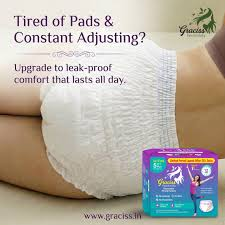
Disposable period panties are designed for single use. They combine underwear-like coverage with an absorbent core, eliminating the need to wear a separate sanitary pad with the garment.
They can be convenient when washing facilities are unavailable or when carrying used reusable products would be impractical. However, they must be replaced after use and disposed of according to the manufacturer’s instructions.
For people who travel frequently, work long shifts, or need a temporary alternative to their usual menstrual product, disposable period panties may offer practical flexibility.
Traditional Sanitary Pads and Liners
Sanitary pads and panty liners remain familiar choices for many people. They are worn inside regular underwear and are available in different lengths and absorbency levels.
Pads can be useful when someone wants to change their menstrual product without changing their underwear. Liners are generally intended for lighter discharge or spotting, depending on the product’s stated use.
The best option depends on the individual’s preferences rather than the assumption that one type of menstrual product is universally better.
How Period Panties Fit Into Different Routines
A person’s menstrual care needs can change throughout the day, across different stages of the cycle, and according to the activities they have planned.
For Everyday Activities
Some people prefer a product that feels familiar and requires minimal adjustment during daily routines. Period panties combine an underwear-style fit with an absorbent component, which may simplify a routine for those who find the design comfortable.
When choosing a product, check the size guide, intended absorbency, and recommended wear time. A secure fit and appropriate absorbency are important for comfort and managing leakage.
Reusable period underwear may suit people who are comfortable with regular washing and drying. Disposable alternatives may be more convenient when laundry is not readily available.
For Overnight Use
Overnight menstrual care often requires a product that provides suitable coverage while allowing comfortable movement during sleep.
Some period underwear is designed with extended coverage or higher absorbency for overnight use. However, not all products provide the same level of protection, so check the manufacturer’s specifications and match the product to your flow.
Wear time also matters. Do not assume that every period panty can be worn for the same number of hours simply because it has an absorbent core.
For Travel and Commuting
Travel can make menstrual care more complicated. Long journeys, delayed transport, unfamiliar bathrooms, and limited access to washing facilities may affect which products are practical.
Reusable period underwear can work well for travellers who can carry a spare pair and have a reliable way to store used garments until washing is possible.
Disposable period panties may be easier in situations where washing and drying are inconvenient. They can be packed in a travel pouch and replaced after use, provided the user has an appropriate way to dispose of them.
For Work, College, and Busy Schedules
People who spend long hours away from home may prefer menstrual products that are easy to carry and change.
A reusable option requires planning for spare garments and washing arrangements. A disposable option may reduce the need to carry used underwear, but it creates waste that needs to be managed.
A practical routine can include more than one product type. Someone might use reusable underwear at home and carry disposable period panties or sanitary pads for situations where changing and washing facilities are limited.
For Light and Heavy Flow Days
Menstrual flow is not constant throughout the cycle. Some people experience lighter bleeding at the beginning or end of their period, while others have heavier days that require more absorbency or frequent changes.
Period underwear is available in different absorbency levels, but the label and product instructions should guide selection. A product suitable for light flow may not provide enough protection for heavier bleeding.
If a person experiences unusually heavy periods, frequent flooding, or symptoms that interfere with everyday life, a healthcare professional can help assess the cause and discuss suitable menstrual care options.
Reusable Versus Disposable Period Panties: What Is the Difference?
Both options provide underwear-style coverage, but their practical differences are important.
| Consideration | Reusable period underwear | Disposable period panties |
| Intended use | Washed and worn again | Designed for single use |
| Cleaning | Requires washing and drying | Does not require laundering |
| Travel convenience | Requires spare garments and storage for used items | Can be convenient when washing facilities are unavailable |
| Long-term cost | Higher upfront cost, with repeated use | Ongoing purchases are needed |
| Waste | Garment remains in use over multiple cycles, but still has an eventual end of life | Creates waste after each use |
| Best fit | People comfortable with washing and garment care | People prioritising convenience in specific situations |
This comparison does not establish that one option is best for everyone. Reusable underwear may reduce the number of disposable products needed, but its overall environmental impact depends on materials, garment lifespan, washing practices, and eventual disposal.
Disposable products may be practical in certain situations, but frequent use means that more items need to be purchased and discarded.
The right choice depends on what is realistic for an individual’s routine.
What to Consider Before Choosing Period Underwear
1. Absorbency and Intended Use
Start by understanding how much menstrual fluid the product is designed to manage. Product descriptions may specify light, moderate, or heavy flow, but the exact meaning can vary between brands.
Consider whether you need the product for everyday wear, overnight use, spotting, or additional protection alongside another menstrual product.
If you are trying a new product, you may prefer to test it during a lower-risk part of your routine before relying on it for a long journey or an important event.
2. Fit and Comfort
Period underwear should fit securely without causing excessive pressure, rubbing, or discomfort. Check the size chart rather than assuming your usual clothing size will always translate directly.
The waistband, leg openings, fabric, and absorbent area can all affect how the garment feels during movement.
For disposable period panties, the fit is particularly important because the garment is designed to be discarded rather than adjusted for repeated wear.
3. Material and Skin Sensitivity
People who experience skin sensitivity may want to review the material information and check whether added fragrances or other substances are listed.
Claims such as “rash-free” or “hypoallergenic” should not be interpreted as guarantees that irritation is impossible. Individual responses vary, and discomfort can also result from prolonged moisture, friction, or an underlying skin condition.
If a product repeatedly causes irritation, discontinue use and consider seeking medical advice if symptoms persist.
4. Care and Disposal
Reusable period underwear needs appropriate washing and complete drying according to the manufacturer’s instructions. Care requirements may differ by fabric and construction.
Disposable period panties should be discarded after use as directed. They should not be flushed unless the specific product explicitly instructs that it is suitable for flushing. Most disposable underwear products are not intended for toilet disposal, and flushing them can cause plumbing problems.
Understanding these requirements before purchasing helps avoid inconvenience later.
5. Cost Over Time
Price comparisons should consider more than the cost of a single purchase.
Reusable period underwear may involve a larger initial investment, followed by washing costs and eventual replacement. Disposable period panties generally have a lower initial commitment, but repeated purchases add to the long-term expense.
The most economical option depends on frequency of use, product lifespan, number of garments required, and the cost of maintaining them.
Can You Combine Different Menstrual Products?
Yes. Menstrual care does not have to rely on a single product throughout the cycle.
Some people use reusable period underwear at home and carry disposable alternatives for travel. Others prefer sanitary pads during heavier flow and different products on lighter days.
A combination approach can provide flexibility, especially when daily schedules and access to washing facilities vary.
However, using two products together does not automatically double protection. Check the intended use and fit of each product, and avoid relying on combinations that the manufacturers do not recommend.
The goal is to find a routine that is comfortable, practical, and appropriate for your flow.
Exploring Flawsome Disposable Period Panties
For people who prefer an underwear-style menstrual product without the need to wash it after use, Flawsome offers Disposable Period Panties.
The product page describes an absorbent core, a soft topsheet, a high-waist fit, and wraparound coverage designed to help manage leakage. It lists L–XL and XL–XXL size options and describes the product as suitable for different stages of menstrual flow.
These features may appeal to people looking for a convenient option for travel, overnight routines, or days when changing and washing reusable garments is difficult. Consumers should review the current product information for sizing, recommended wear time, and disposal instructions before use.
It is important to note that these are disposable period panties, not reusable menstrual underwear. They are intended for single use, so their convenience should be considered alongside ongoing purchase costs and responsible waste disposal.
Are Reusable Menstrual Products Always More Sustainable?
Reusable products can reduce the number of single-use items consumed when they are used for an extended period. However, sustainability is not determined by one feature alone.
Material production, manufacturing, transport, washing, drying, garment durability, and end-of-life disposal all contribute to environmental impact.
Disposable products may offer practical benefits when washing facilities are unavailable, but their repeated use generates more waste than using a durable garment multiple times.
Consumers can make more informed choices by looking for specific information about materials, product lifespan, care requirements, and disposal. Broad labels such as “eco-friendly” should not replace clear details about how a product is made and how it should be managed after use.
Building a Period Care Routine That Works for You
A practical menstrual care routine should reflect individual needs rather than trends or assumptions about which product is best.
Before deciding, consider your typical flow, skin sensitivity, daily schedule, access to washing facilities, budget, and disposal options. These factors can help determine whether reusable underwear, disposable period panties, sanitary pads, or a combination is most appropriate.
It is also reasonable to change products according to the situation. A reusable option may be convenient at home, while a disposable alternative may be more practical during a trip or a busy day away from home.
Menstrual care should support everyday comfort and confidence. By understanding how different products work and what their care requirements involve, people can choose a routine that fits their circumstances without expecting a single product to meet every need.
Conclusion
Period underwear has expanded the range of choices available to people managing menstruation. Reusable garments can be worn and washed repeatedly, while disposable period panties offer a single-use alternative for situations where convenience is a priority.
Neither option is automatically suitable for everyone. Absorbency, fit, material, cost, washing requirements, and disposal all deserve consideration before making a choice.
The most useful menstrual care routine is one that adapts to your flow, activities, and practical circumstances. Whether you choose reusable underwear, disposable period panties, traditional sanitary pads, or a combination, understanding the differences helps you make a more informed decision.