
Introduction
The future of renewable energy industry is becoming one of the most discussed topics across the world. Governments, businesses, and individuals are now focusing on cleaner and smarter energy solutions to reduce pollution and support sustainable growth. Traditional energy sources such as coal, oil, and natural gas have powered industries for decades, but they also created serious environmental challenges. As climate concerns continue to rise, renewable energy is now viewed as the most reliable path toward a greener future.
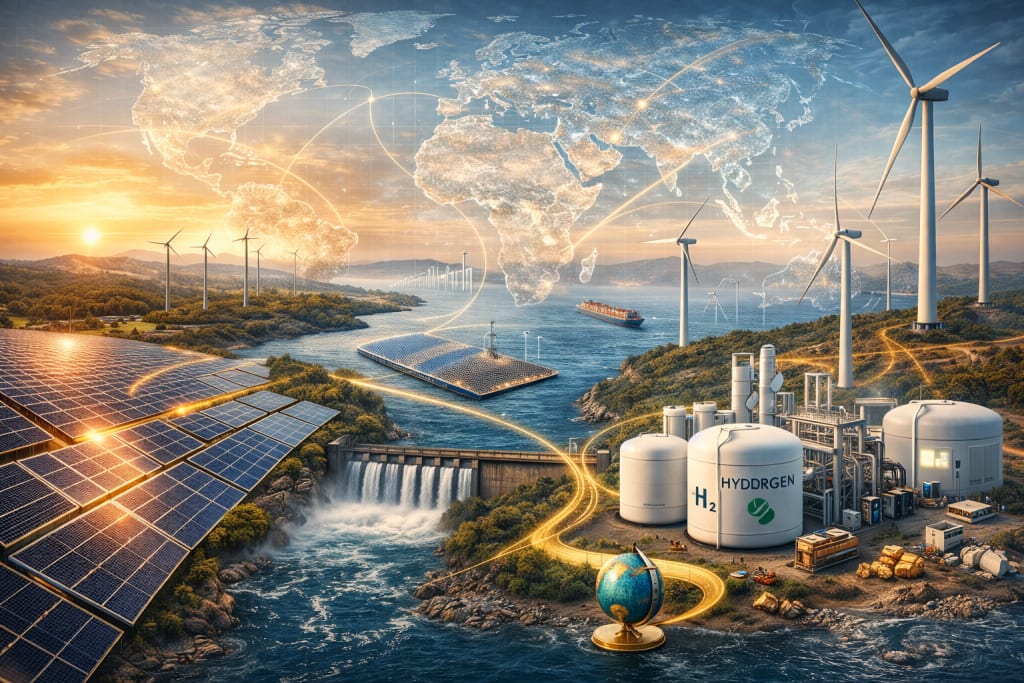
Renewable energy includes power generated from natural sources such as sunlight, wind, water, biomass, and geothermal heat. These energy sources can naturally replenish themselves, making them far more sustainable than fossil fuels. Over the last few years, technological improvements and falling production costs have accelerated the growth of renewable power systems worldwide.
Today, many countries are investing heavily in renewable infrastructure, electric vehicles, battery storage, and smart energy grids. In addition, businesses are adopting clean energy to lower operational costs and improve environmental responsibility. Consumers are also becoming more aware of the importance of reducing carbon emissions.
The future of renewable energy industry looks highly promising because innovation, government support, and public awareness are driving rapid change. This article explains the industry in detail, highlights its importance, discusses future trends, outlines benefits and risks, and provides practical insights for beginners and intermediate readers.
What is the Future of Renewable Energy Industry?
The future of renewable energy industry refers to the long-term development, expansion, and innovation of clean energy technologies that replace traditional fossil fuel systems. It focuses on creating energy solutions that are environmentally friendly, cost-effective, and sustainable for future generations.
Renewable energy comes from natural resources that do not run out quickly. Unlike fossil fuels, these energy sources continuously renew themselves through natural processes. The industry includes several major sectors:
- Solar energy
- Wind energy
- Hydropower
- Biomass energy
- Geothermal energy
- Ocean energy
The future of renewable energy industry is strongly connected with technological advancement. Smart grids, advanced battery storage, artificial intelligence, and energy-efficient systems are improving the reliability of renewable power. These innovations are making clean energy more practical for homes, businesses, transportation, and industrial operations.
Another important factor is global climate policy. Many governments are introducing clean energy targets and carbon reduction goals. As a result, renewable energy companies are receiving increased investment and support.
The industry is no longer limited to environmental activists or scientists. It has become a major economic sector that creates jobs, attracts investors, and shapes future infrastructure worldwide.
Why is the Future of Renewable Energy Industry Important?
The future of renewable energy industry is important because it directly impacts the environment, economy, public health, and global energy security. Clean energy is now considered essential for reducing pollution and slowing climate change.
One major reason for its importance is the reduction of greenhouse gas emissions. Fossil fuel power plants release harmful gases into the atmosphere, contributing to global warming. Renewable energy systems produce little or no emissions during operation.
Another important factor is energy independence. Countries that depend heavily on imported fuel often face economic and political challenges. Renewable energy allows nations to produce power locally using natural resources like sunlight and wind.
The industry also creates millions of jobs. Renewable energy projects require engineers, technicians, manufacturers, project managers, and maintenance workers. As the industry grows, employment opportunities continue to increase.
In addition, renewable energy supports long-term economic stability. Fossil fuel prices often fluctuate due to international conflicts and market changes. Renewable energy sources are more stable because sunlight and wind are freely available.
Public health also benefits from cleaner energy systems. Reduced air pollution can lower respiratory diseases and improve overall living conditions. Cities with cleaner energy policies often experience better air quality and healthier communities.
Most importantly, the future of renewable energy industry encourages sustainable development. It helps future generations access cleaner air, reliable energy, and a healthier environment.
Detailed Step-by-Step Guide
Step 1: Understand Different Renewable Energy Sources
The first step toward understanding the future of renewable energy industry is learning about the major energy sources.
Solar energy uses photovoltaic panels to convert sunlight into electricity. It is one of the fastest-growing renewable sectors because solar panels are becoming more affordable and efficient.
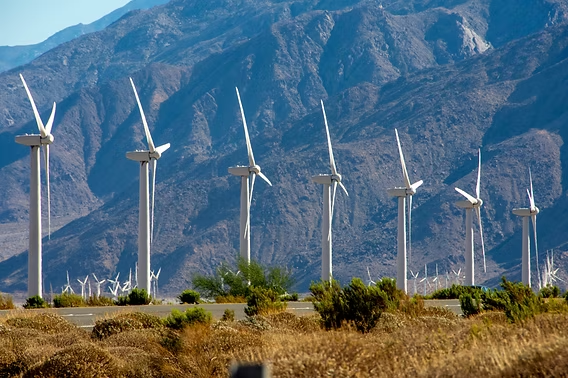
Wind energy uses turbines to generate power from moving air. Wind farms can operate on land or offshore, providing large-scale electricity production.
Hydropower generates electricity through moving water. Dams and water turbines are commonly used in this process.
Biomass energy uses organic materials such as agricultural waste, wood, and food waste to produce energy.
Geothermal energy uses heat stored beneath the earth’s surface to generate power and heating systems.
Understanding these energy sources helps people recognize how the renewable energy industry functions and evolves.
Step 2: Study Technological Advancements

Technology is shaping the future of renewable energy industry at a rapid pace. Modern innovations are improving energy production, storage, and efficiency.
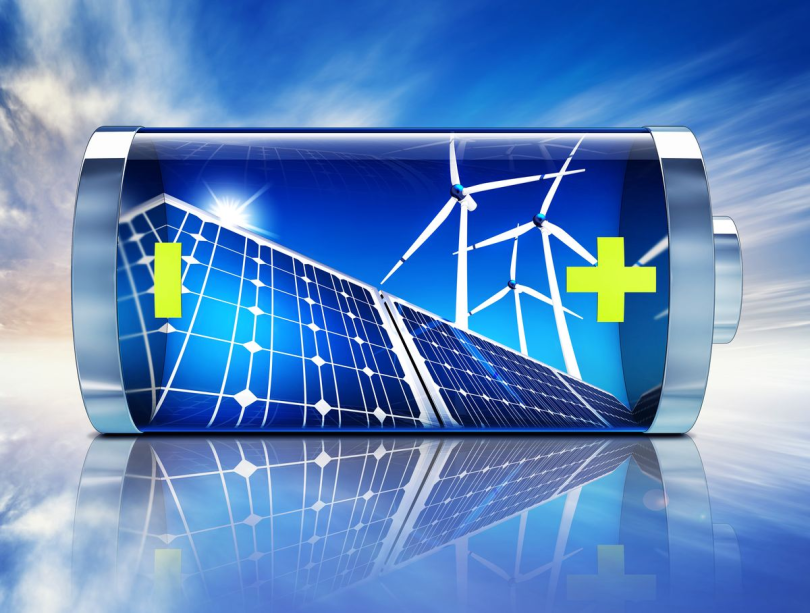
Battery storage systems are becoming more advanced, allowing renewable energy to be stored for use during cloudy or windless periods. Lithium-ion batteries are currently the most popular option.
Artificial intelligence is also improving energy management. Smart systems can predict energy demand, optimize power distribution, and reduce waste.
Smart grids are another important advancement. These digital systems improve electricity distribution and make renewable energy integration easier.
Solar panel efficiency continues to improve as manufacturers develop better materials and designs. Wind turbines are also becoming larger and more productive.
As technology advances, renewable energy becomes more accessible and affordable for consumers and industries.
Step 3: Explore Government Policies and Investments
Government support plays a major role in the future of renewable energy industry. Many countries offer incentives, subsidies, and tax benefits for renewable energy projects.
Governments are also setting carbon neutrality goals to reduce dependence on fossil fuels. These policies encourage businesses and households to switch to cleaner energy systems.
Large investments are being made in renewable infrastructure, including:
- Solar farms
- Wind power stations
- Electric vehicle charging networks
- Battery storage facilities
- Smart energy grids
International organizations are also supporting renewable development through climate agreements and sustainability programs.
Strong government support creates a stable environment for renewable energy growth.
Step 4: Learn About Energy Storage Solutions
Energy storage is critical for the future of renewable energy industry because renewable power generation can vary depending on weather conditions.
Battery technology helps store excess electricity for later use. This improves energy reliability and reduces power interruptions.
Several storage solutions are becoming more common:
- Lithium-ion batteries
- Flow batteries
- Hydrogen storage systems
- Pumped hydro storage
- Thermal energy storage
Hydrogen energy is attracting increasing attention because it can store renewable power for long periods. Green hydrogen is produced using renewable electricity and may become a major clean fuel source in the future.
Energy storage technology will continue to play a key role in expanding renewable energy adoption worldwide.
Step 5: Understand the Role of Electric Vehicles
Electric vehicles are strongly connected to the future of renewable energy industry. As transportation shifts away from gasoline and diesel, electricity demand from renewable sources will increase.
Many car manufacturers are investing heavily in electric vehicles. Governments are also supporting EV adoption through incentives and charging infrastructure.
Electric vehicles help reduce carbon emissions and improve urban air quality. When powered by renewable energy, they become even more environmentally friendly.
The growth of EVs is also encouraging improvements in battery technology and smart charging systems.
Step 6: Analyze Global Market Trends
Global energy markets are changing quickly. Renewable energy investment is increasing every year as businesses and governments focus on sustainability.
Several important trends are shaping the industry:
- Expansion of offshore wind farms
- Growth of residential solar systems
- Increased energy storage investments
- Development of green hydrogen projects
- Corporate clean energy commitments
Large companies are now using renewable energy to meet sustainability goals and reduce operational expenses.
Developing countries are also adopting renewable technologies to improve energy access in rural areas.
These market trends indicate strong long-term growth for the renewable energy sector.
Step 7: Build Skills and Career Opportunities
The future of renewable energy industry creates many career opportunities for students and professionals.
Popular career paths include:
- Solar panel technician
- Wind turbine engineer
- Energy analyst
- Sustainability consultant
- Electrical engineer
- Environmental scientist
- Renewable project manager
People interested in this industry should focus on technical skills, environmental studies, engineering knowledge, and digital technologies.
Online courses, certifications, and practical experience can help individuals enter the renewable energy field successfully.
Benefits of Future of Renewable Energy Industry
The renewable energy industry offers several long-term advantages for society, businesses, and the environment.
- Reduces greenhouse gas emissions
- Improves air quality
- Supports sustainable development
- Creates millions of jobs worldwide
- Reduces dependence on imported fuel
- Encourages technological innovation
- Lowers long-term electricity costs
- Improves public health conditions
- Increases energy security
- Supports economic growth
- Promotes cleaner transportation systems
- Reduces environmental damage caused by fossil fuels
Renewable energy also helps communities become more resilient during energy crises and global fuel shortages.
Disadvantages / Risks
Although the future of renewable energy industry is promising, some challenges and risks still exist.
- High initial installation costs for some technologies
- Dependence on weather conditions for solar and wind energy
- Energy storage systems can be expensive
- Infrastructure upgrades may require large investments
- Some renewable projects may affect wildlife habitats
- Land use concerns for large solar and wind farms
- Limited renewable access in certain regions
- Recycling old solar panels and batteries remains challenging
Despite these risks, continuous innovation is helping solve many industry challenges.
Common Mistakes to Avoid
Many individuals and businesses make mistakes when entering the renewable energy sector. Avoiding these errors can improve long-term success.
Ignoring Long-Term Planning
Some people focus only on short-term costs and ignore future savings. Renewable systems often provide long-term financial benefits.
Choosing Low-Quality Equipment
Cheap equipment may reduce performance and increase maintenance costs. Always invest in reliable technology.
Overlooking Energy Storage
Without proper storage solutions, renewable systems may struggle during low production periods.
Ignoring Maintenance Requirements
Solar panels, batteries, and wind turbines require regular maintenance to operate efficiently.
Failing to Research Government Incentives
Many users miss valuable tax credits and financial support programs that reduce installation expenses.
Depending on One Energy Source Only
Using a combination of renewable technologies often improves energy reliability and efficiency.
FAQs
What is the future of renewable energy industry?
The future of renewable energy industry involves the expansion of clean energy technologies, increased investment, improved storage systems, and global efforts to reduce carbon emissions.
Why is renewable energy becoming more popular?
Renewable energy is becoming more popular because it reduces pollution, lowers long-term energy costs, improves energy security, and supports sustainable development.
Which renewable energy source is growing the fastest?
Solar energy is currently one of the fastest-growing renewable sectors due to falling panel costs and improved efficiency.
Can renewable energy completely replace fossil fuels?
Many experts believe renewable energy can eventually replace most fossil fuel usage, especially as storage systems and grid technologies improve.
What role do batteries play in renewable energy?
Batteries store excess renewable electricity for later use, helping maintain reliable power even when sunlight or wind levels are low.
Are renewable energy jobs increasing?
Yes, renewable energy jobs are growing rapidly worldwide. The industry requires skilled workers for manufacturing, installation, maintenance, research, and project management.
How does renewable energy help the environment?
Renewable energy reduces greenhouse gas emissions, lowers air pollution, protects natural resources, and helps fight climate change.
What challenges does the renewable energy industry face?
The industry faces challenges such as high startup costs, storage limitations, infrastructure requirements, and weather-related energy fluctuations.
Expert Tips & Bonus Points
Experts believe the future of renewable energy industry will depend heavily on innovation, policy support, and public awareness.
Here are some valuable tips for individuals and businesses:
- Stay updated with new renewable technologies
- Invest in energy-efficient appliances
- Consider solar panels for long-term savings
- Learn about government renewable programs
- Explore electric vehicle options
- Support sustainable business practices
- Monitor energy consumption regularly
- Diversify renewable energy investments
Businesses should also focus on sustainability reporting and carbon reduction strategies to remain competitive.
Another important trend is decentralized energy production. Homes and businesses are increasingly generating their own electricity through rooftop solar systems and local storage units.
Artificial intelligence and automation are expected to improve energy management significantly over the next decade. Smart systems will optimize energy usage and reduce waste more effectively.
Hydrogen fuel technology may also become a major part of the future energy landscape. Green hydrogen can support transportation, manufacturing, and industrial operations with lower emissions.
Finally, public awareness will continue to shape the industry. Consumers now prefer environmentally responsible brands and products, encouraging companies to adopt cleaner energy solutions.
Conclusion
The future of renewable energy industry is filled with opportunities, innovation, and global transformation. As climate concerns continue to grow, renewable energy is becoming a critical solution for reducing pollution and creating a sustainable future. Solar, wind, hydropower, geothermal, and biomass technologies are rapidly evolving, making clean energy more affordable and accessible than ever before.
Governments, businesses, and consumers are all contributing to the growth of renewable systems. Investments in battery storage, electric vehicles, smart grids, and green hydrogen are shaping the next generation of energy infrastructure. At the same time, technological advancements are improving efficiency and reliability across the industry.
Although challenges still exist, including infrastructure costs and energy storage limitations, ongoing research and innovation are solving many of these issues. The industry is also creating millions of jobs and supporting economic development worldwide.
The future of renewable energy industry will likely become one of the most influential sectors of the global economy. Countries that invest in clean energy today may achieve stronger economic stability, improved public health, and greater environmental protection in the future.
For beginners and intermediate readers, understanding renewable energy trends is now more important than ever. Clean energy is not simply a temporary trend. It is becoming a permanent foundation for modern society, sustainable growth, and long-term global progress.