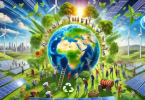

Clean energy and renewable energy growth trends in 2026 are reshaping the global energy landscape as countries move rapidly toward sustainable power systems that reduce carbon emissions, improve energy efficiency, and support long-term environmental stability, and this transition is being driven by technological innovation, government policies, and increasing demand for environmentally friendly energy solutions across residential, commercial, and industrial sectors worldwide.
Understanding Clean Energy Growth
Clean energy growth refers to the increasing adoption of energy sources that produce minimal or no pollution during production and usage.
This includes solar, wind, hydro, geothermal, and other low-emission technologies that are replacing traditional fossil fuel-based energy systems.
Global Shift Toward Renewable Energy
The world is experiencing a major shift from fossil fuels to renewable energy due to environmental concerns and rising fuel costs.
Countries are investing heavily in solar farms, wind turbines, and hydroelectric projects to reduce dependency on oil, coal, and gas.
Expansion of Solar Energy Industry
Solar energy is one of the fastest-growing renewable energy sources due to decreasing installation costs and improved technology.
Large-scale solar projects and rooftop solar systems are becoming common in both developed and developing countries.
Growth of Wind Energy Projects
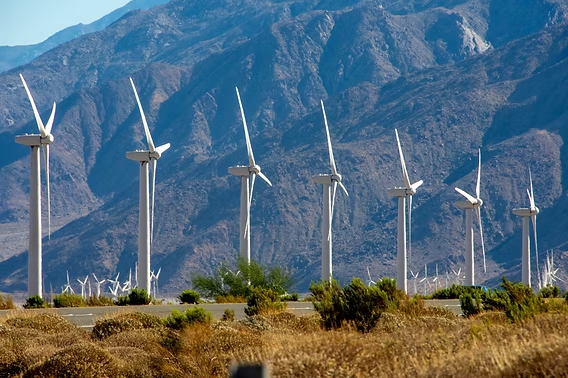
Wind energy is expanding rapidly, especially offshore wind farms that generate large amounts of clean electricity.
Improved turbine technology is increasing efficiency and making wind energy more competitive with traditional power sources.
Hydropower Contribution to Energy Mix
Hydropower remains a reliable and stable source of renewable energy that contributes significantly to global electricity production.
It helps balance energy supply during peak demand periods and supports grid stability.
Role of Energy Storage Systems
Energy storage systems are essential for managing renewable energy because solar and wind energy are not always available consistently.
Advanced batteries store excess energy and release it when demand increases, ensuring continuous power supply.
Electric Vehicles and Energy Demand Growth
Electric vehicles are increasing global electricity demand while reducing dependence on fossil fuels.
The expansion of EV infrastructure is also supporting renewable energy integration into transportation systems.
Technological Advancements in Clean Energy
Technology is playing a key role in improving clean energy efficiency through smart grids, AI-based energy management, and automation systems.
These innovations are making energy systems more reliable, efficient, and sustainable.
Government Support and Energy Policies
Governments worldwide are supporting renewable energy through subsidies, tax incentives, and strict environmental regulations.
These policies are encouraging businesses and individuals to adopt cleaner energy solutions.
Investment Trends in Renewable Energy
Investment in renewable energy is growing rapidly as investors focus on long-term sustainability and stable returns.
Clean energy projects are attracting billions of dollars in funding globally each year.
Challenges in Clean Energy Growth
Despite strong growth, challenges such as infrastructure costs, energy storage limitations, and grid integration still exist.
Developing countries also face difficulties in adopting large-scale renewable systems.
Future of Clean Energy Industry
The future of clean energy is highly promising, with expectations of renewable energy becoming the dominant global power source.
AI, automation, and advanced storage systems will further accelerate this transition.
FAQ’s
What is clean energy growth
It is the increase in use of low-pollution energy sources.
Why is renewable energy important
It reduces pollution and supports sustainability.
What is the main source of renewable energy
Solar and wind energy are the leading sources.
Is clean energy the future
Yes, it is expected to dominate global energy systems.
Conclusion
Clean energy and renewable energy growth trends in 2026 clearly show that the world is moving toward a sustainable and technology-driven energy future where solar, wind, hydro, and other renewable sources will play a central role. With strong government support, rapid technological innovation, and increasing global investment, clean energy is set to become the backbone of future energy systems, ensuring environmental protection and long-term energy security for generations to come.