
Introduction
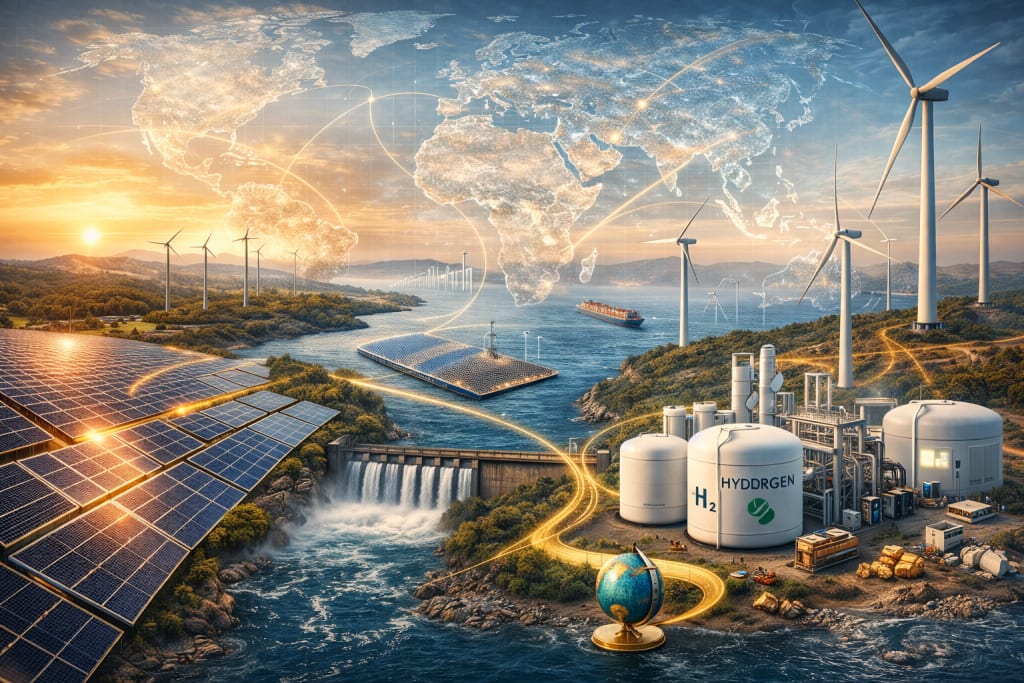
Green energy regulations are becoming one of the most important topics in the modern world. Governments, businesses, and communities are now focusing on cleaner energy solutions to reduce pollution and protect natural resources. As climate concerns continue to grow, countries are introducing laws and policies that encourage the use of renewable energy sources such as solar, wind, hydro, and geothermal power.
These regulations are designed to reduce dependence on fossil fuels while supporting long-term environmental sustainability. They also help industries move toward cleaner operations by setting standards for energy production, emissions, and energy efficiency. In many countries, green energy regulations provide incentives like tax credits, grants, and subsidies to encourage companies and homeowners to adopt renewable energy systems.
For beginners, the topic may sound technical or difficult. However, understanding green energy regulations is easier when explained in simple language. These rules affect electricity prices, transportation systems, manufacturing, and even household energy use. They also create new opportunities for innovation, investment, and employment.
In this article, you will learn what green energy regulations are, why they matter, how they work, and the benefits and challenges connected to them. You will also discover common mistakes people make when following these regulations and practical tips for adapting to the growing green energy movement.
What is Green Energy Regulations?
Green energy regulations are laws, policies, and guidelines created by governments or regulatory agencies to support renewable energy and reduce environmental damage. These regulations control how energy is produced, distributed, and consumed.
The main goal of green energy regulations is to encourage cleaner energy systems while reducing greenhouse gas emissions. They promote renewable energy sources instead of relying heavily on coal, oil, and natural gas.
Common examples of green energy regulations include:
- Renewable energy targets for power companies
- Carbon emission limits for industries
- Tax incentives for solar panel installation
- Energy efficiency standards for buildings
- Restrictions on fossil fuel usage
- Electric vehicle support policies
These regulations can apply to individuals, businesses, factories, utility providers, and transportation systems. Some countries have strict environmental rules, while others are still developing renewable energy policies.
Green energy regulations are not only about protecting the environment. They also focus on improving public health, increasing energy security, and creating economic growth through sustainable industries.
Why is Green Energy Regulations Important?
Green energy regulations play a major role in shaping a cleaner and healthier future. Without clear policies, industries may continue using harmful energy practices that increase pollution and environmental damage.
One important reason these regulations matter is climate protection. Burning fossil fuels releases carbon dioxide and other greenhouse gases into the atmosphere. These gases contribute to global warming, rising sea levels, and extreme weather conditions.
Another reason is public health. Air pollution from coal plants and industrial emissions can cause respiratory problems, heart disease, and other serious health issues. Green energy regulations encourage cleaner technologies that reduce harmful emissions.
Economic growth is another major factor. Renewable energy industries create jobs in solar installation, wind turbine manufacturing, energy consulting, and green technology development. Many governments see green energy as an opportunity for long-term economic stability.
Energy security is also important. Countries that depend heavily on imported fuel can face supply shortages and price increases. Renewable energy sources help reduce this dependence by allowing nations to produce more local energy.
Additionally, green energy regulations encourage innovation. Businesses are motivated to develop cleaner technologies and improve energy efficiency. This leads to better products, lower energy costs, and more sustainable industrial practices.
Detailed Step-by-Step Guide
Understand Existing Energy Policies
The first step is learning about current energy laws in your country or region. Different governments have different renewable energy goals and environmental standards.
Research policies related to:
- Renewable energy targets
- Carbon emission limits
- Energy efficiency requirements
- Green building standards
- Electric vehicle incentives
Understanding these policies helps businesses and homeowners make informed decisions.
Evaluate Current Energy Usage
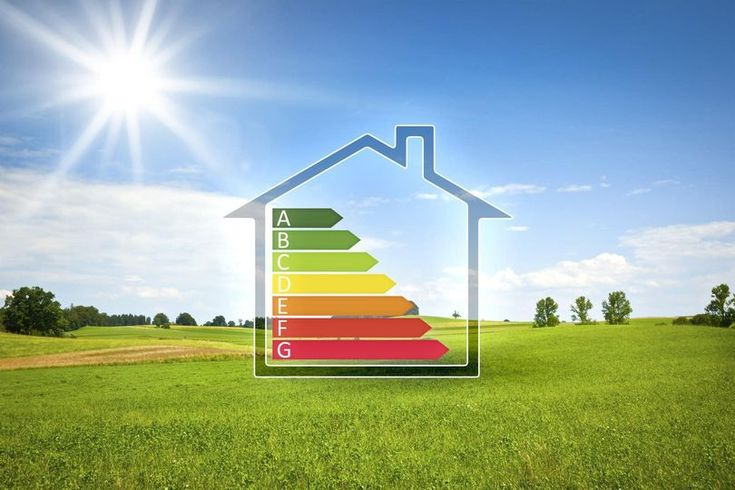
The next step is analyzing how energy is currently used. This process identifies areas where improvements can be made.
For households, this may include checking electricity consumption, heating systems, and appliance efficiency. Businesses often conduct professional energy audits to identify wasteful practices.
Energy audits help determine:
- Areas of high energy consumption
- Equipment needing upgrades
- Opportunities for renewable energy use
- Potential cost savings
Choose Renewable Energy Sources
Selecting the right renewable energy source depends on location, budget, and energy needs.
Popular options include:
Solar Energy
Solar panels convert sunlight into electricity. They are suitable for homes, offices, schools, and factories.
Wind Energy
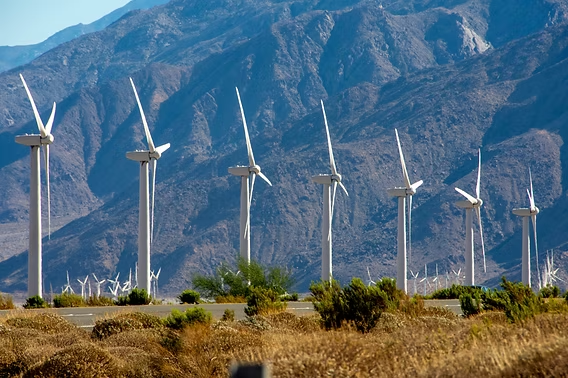
Wind turbines generate electricity from moving air. Large wind farms can produce significant amounts of power.
Hydropower
Hydropower systems use flowing water to generate electricity. Many countries use dams for renewable power generation.
Geothermal Energy
Geothermal systems use heat from beneath the earth’s surface for electricity and heating.
Apply for Incentives and Permits
Many governments provide financial incentives for renewable energy projects. These may include tax reductions, rebates, grants, or low-interest loans.
Before starting a project, it is important to:
- Obtain required permits
- Follow building codes
- Meet environmental standards
- Complete safety inspections
Failure to follow regulations can lead to penalties or project delays.
Improve Energy Efficiency
Green energy regulations often include energy efficiency standards. Improving efficiency reduces overall energy demand.
Simple ways to improve efficiency include:
- Installing LED lighting
- Using energy-efficient appliances
- Improving insulation
- Upgrading heating and cooling systems
- Using smart thermostats
Businesses may also upgrade machinery and industrial equipment to meet efficiency standards.
Monitor Compliance Regularly
Regulations can change over time, so regular monitoring is necessary.
Businesses should:
- Track energy usage
- Maintain environmental records
- Conduct regular inspections
- Stay updated on policy changes
- Train employees on compliance standards
Monitoring ensures long-term compliance and helps avoid legal problems.
Benefits of Green Energy Regulations
Green energy regulations provide many environmental, economic, and social advantages.
Environmental Benefits
- Reduces greenhouse gas emissions
- Decreases air and water pollution
- Protects natural ecosystems
- Supports sustainable resource management
- Encourages cleaner industrial practices
Economic Benefits
- Creates renewable energy jobs
- Encourages innovation and investment
- Reduces long-term energy costs
- Improves energy independence
- Supports green technology industries
Social Benefits
- Improves public health
- Creates cleaner communities
- Increases awareness of sustainability
- Encourages responsible energy consumption
- Supports future generations
Business Benefits
- Enhances company reputation
- Helps meet environmental standards
- Attracts eco-conscious customers
- Reduces operational costs over time
- Improves investor confidence
Disadvantages / Risks
Although green energy regulations offer many advantages, they also come with certain challenges.
High Initial Costs
Installing renewable energy systems can require large investments. Solar panels, wind turbines, and energy-efficient equipment may be expensive at first.
Complex Compliance Requirements
Some regulations involve detailed reporting and technical standards. Small businesses may struggle with compliance processes.
Technology Limitations
Renewable energy sources depend on environmental conditions. Solar energy requires sunlight, while wind energy depends on weather patterns.
Infrastructure Challenges
Existing energy systems may need upgrades to support renewable energy integration.
Resistance from Traditional Industries
Fossil fuel industries may oppose strict green energy regulations because they can impact profits and employment structures.
Policy Changes
Government policies can change due to political or economic factors. Sudden changes may affect investments and long-term planning.
Common Mistakes to Avoid
Many individuals and businesses make mistakes when adapting to green energy regulations.
Ignoring Local Laws
Some people assume regulations are the same everywhere. However, rules vary between countries and regions.
Always research local environmental and energy requirements before starting projects.
Focusing Only on Short-Term Costs
Renewable energy systems may seem expensive initially, but they often reduce long-term operational expenses.
Ignoring long-term savings can lead to poor decision-making.
Choosing the Wrong Technology
Not every renewable energy source is suitable for every location. For example, solar energy works better in sunny regions, while wind energy requires strong and consistent airflow.
Failing to Maintain Equipment
Renewable energy systems require regular maintenance to perform efficiently.
Neglecting maintenance can reduce energy output and increase repair costs.
Overlooking Energy Efficiency
Some businesses invest in renewable energy while ignoring energy waste.
Improving efficiency first often produces better financial and environmental results.
Lack of Employee Training
Businesses sometimes fail to train staff on environmental compliance and sustainable practices.
Proper education helps organizations meet regulatory requirements more effectively.
FAQs
What are green energy regulations?
Green energy regulations are laws and policies designed to encourage renewable energy use and reduce environmental pollution. They help governments control emissions and support cleaner energy systems.
Why are green energy regulations necessary?
These regulations are necessary because they reduce pollution, protect natural resources, improve public health, and support sustainable economic growth.
Which industries are affected by green energy regulations?
Many industries are affected, including manufacturing, transportation, construction, agriculture, and electricity generation.
Do green energy regulations increase costs?
Some regulations may increase short-term expenses due to equipment upgrades and compliance requirements. However, they often reduce long-term energy and operational costs.
Can homeowners benefit from green energy regulations?
Yes. Many governments provide incentives for homeowners who install solar panels, improve insulation, or use energy-efficient appliances.
What happens if businesses ignore environmental regulations?
Businesses that fail to follow regulations may face fines, legal action, reputational damage, or operational restrictions.
Are renewable energy systems reliable?
Modern renewable energy systems are increasingly reliable, especially when combined with energy storage technologies and efficient infrastructure.
How do green energy regulations help the economy?
They create jobs, encourage innovation, attract investment, and reduce dependence on imported fuels.
Expert Tips & Bonus Points
Understanding green energy regulations becomes easier when you focus on practical strategies and long-term planning.
Stay Updated on Policy Changes
Environmental policies can change frequently. Subscribe to government updates or industry newsletters to remain informed.
Start with Small Improvements
You do not need massive investments immediately. Begin with simple energy-saving upgrades before moving to larger renewable energy projects.
Conduct Regular Energy Audits
Energy audits identify waste and improve efficiency. Regular evaluations can significantly reduce operating costs.
Work with Qualified Professionals
Consult renewable energy experts, engineers, or legal advisors when planning large projects.
Professional guidance helps avoid compliance issues and costly mistakes.
Use Smart Technology
Smart meters, automated lighting, and energy management systems help monitor energy consumption efficiently.
Focus on Long-Term Value
Green energy investments often provide benefits over many years through lower utility costs and improved sustainability.
Educate Employees and Family Members
Sustainable practices work best when everyone understands their role.
Training and awareness programs improve compliance and energy-saving habits.
Combine Multiple Renewable Sources
Some organizations combine solar, wind, and battery storage systems to increase reliability and energy efficiency.
Conclusion
Green energy regulations are shaping the future of global energy systems. As environmental concerns continue to grow, governments and businesses are increasingly adopting policies that support renewable energy and reduce pollution. These regulations encourage cleaner energy production, improve public health, and create opportunities for innovation and economic development.
Although there are challenges such as high initial costs and complex compliance requirements, the long-term benefits are significant. Renewable energy systems can reduce energy expenses, strengthen energy security, and support sustainable development for future generations.
For individuals, understanding green energy regulations can help make smarter choices about energy consumption, home improvements, and renewable energy investments. Businesses can benefit by improving operational efficiency, meeting environmental standards, and building stronger reputations among customers and investors.
The transition toward sustainable energy is no longer a distant goal. It is becoming an essential part of modern economic and environmental strategies. By following green energy regulations and adopting responsible energy practices, societies can move toward a cleaner, healthier, and more stable future.
Whether you are a homeowner, student, entrepreneur, or business leader, learning about green energy regulations is an important step toward understanding how energy systems are changing worldwide. With the right planning, education, and commitment, renewable energy can become a practical and beneficial solution for everyone