
Introduction
Climate change solutions have become one of the most important discussions in the modern world. Rising global temperatures, stronger storms, melting glaciers, droughts, floods, and air pollution are affecting millions of people every year. Scientists and environmental experts continue to warn that immediate action is necessary to reduce environmental damage and protect the future of the planet. While the challenges are serious, many effective climate change solutions are already available and producing positive results across different countries.
Governments, businesses, schools, and ordinary citizens all play a role in solving environmental problems. Renewable energy, sustainable transportation, cleaner industries, and energy-efficient technology are helping reduce harmful greenhouse gas emissions. At the same time, individuals can contribute through simple daily habits such as reducing waste, saving electricity, planting trees, and using eco-friendly products.
Many people think climate change is too large for one person to influence. However, collective action creates long-term change. When communities work together and support sustainable practices, the environmental impact becomes significant. Modern innovation is also creating affordable green technologies that make sustainability easier than ever before.
Climate change solutions are not only about protecting nature. They also improve public health, create new jobs, strengthen economies, and support cleaner living environments. Understanding these solutions can help individuals and organizations make smarter decisions for a healthier and more sustainable future.
What is Climate Change Solutions?
Climate change solutions are strategies, technologies, and actions designed to reduce global warming and limit environmental damage caused by human activities. These solutions mainly focus on lowering greenhouse gas emissions, protecting natural ecosystems, and encouraging sustainable lifestyles.
Greenhouse gases such as carbon dioxide and methane trap heat inside the atmosphere. Human activities like burning fossil fuels, cutting forests, and industrial pollution increase these gases and raise global temperatures. Climate change solutions aim to reduce these harmful effects by promoting cleaner energy sources and environmentally responsible behavior.
Some climate change solutions involve large-scale government policies and industrial reforms. Others focus on personal lifestyle changes that help conserve resources and reduce pollution. Renewable energy systems, electric vehicles, recycling programs, sustainable agriculture, and forest conservation are common examples.
The main goal of climate change solutions is to create balance between economic growth and environmental protection. Sustainable development allows societies to meet current needs without harming future generations.
Why is Climate Change Solutions Important?
Climate change solutions are important because environmental problems directly affect human life, wildlife, food production, and global economies. Rising temperatures increase the frequency of heatwaves, storms, floods, and droughts. These disasters damage homes, destroy crops, and threaten public safety.
Air pollution caused by fossil fuels also creates serious health problems. Millions of people suffer from respiratory diseases and other illnesses linked to polluted environments. Climate change solutions help improve air quality and reduce health risks.
Another important reason is economic stability. Natural disasters caused by climate change create massive financial losses every year. Sustainable technologies and green industries can reduce these costs while creating new employment opportunities.
Climate change solutions also protect biodiversity. Many animal and plant species are struggling to survive because of habitat destruction and changing weather conditions. Conservation efforts help maintain healthy ecosystems that support life on Earth.
Most importantly, climate change solutions secure a better future for younger generations. Without action, environmental conditions may become increasingly dangerous and difficult to manage. Sustainable practices provide hope for a cleaner, healthier, and safer world.
Detailed Step-by-Step Guide
Step 1: Transition to Renewable Energy
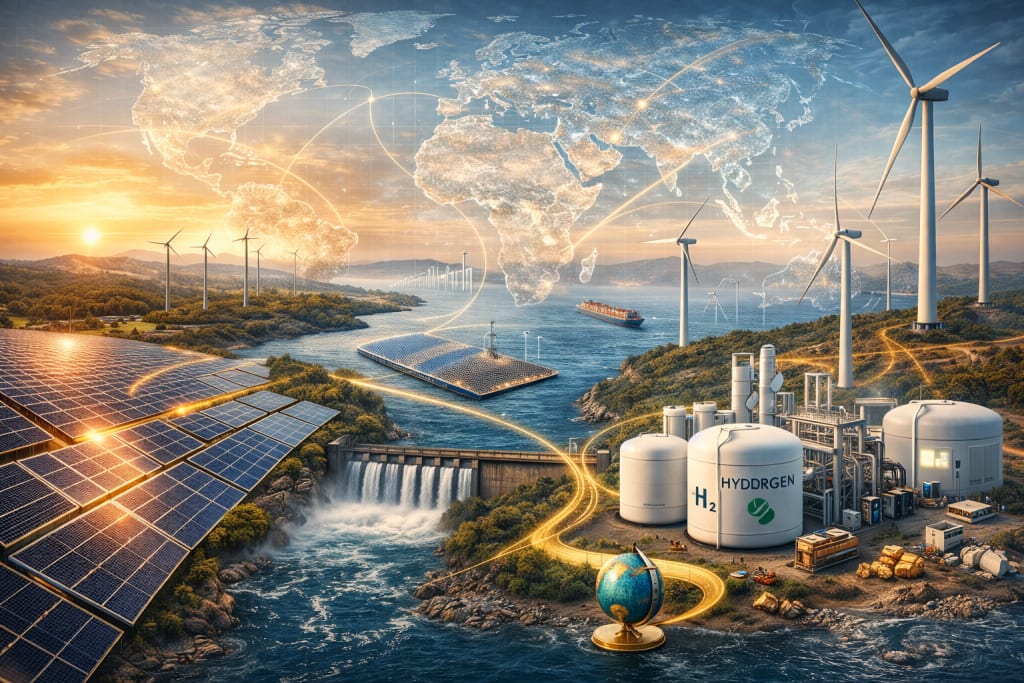
Renewable energy is one of the most effective climate change solutions. Traditional energy sources such as coal, oil, and natural gas release large amounts of carbon emissions into the atmosphere. Renewable energy sources generate electricity without causing severe environmental damage.
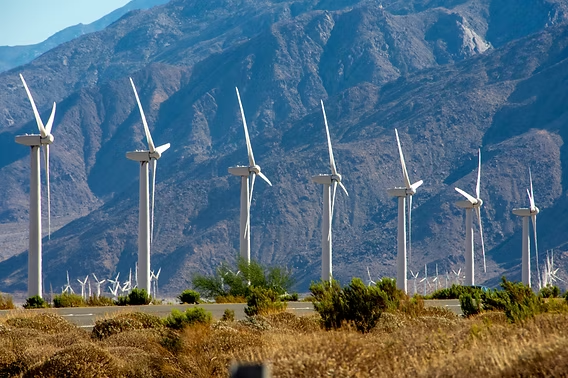
Solar power is becoming increasingly popular because solar panels can produce clean electricity from sunlight. Wind energy is another important alternative that uses turbines to generate power. Hydropower, geothermal energy, and biomass energy also contribute to sustainable electricity production.
Governments and businesses are investing heavily in renewable energy projects because they reduce pollution and lower long-term energy costs. Homeowners can also install solar panels or choose electricity providers that use renewable sources.
Step 2: Improve Energy Efficiency
Energy efficiency means using less energy while maintaining the same level of performance. This is one of the simplest climate change solutions because it reduces both environmental impact and electricity expenses.
People can improve energy efficiency by using LED light bulbs, smart thermostats, energy-saving appliances, and proper insulation. Businesses can upgrade industrial equipment and adopt efficient manufacturing systems.
Public buildings and offices can also reduce energy waste through better lighting systems and automated temperature controls. Even small changes like turning off unused electronics can make a difference over time.
Step 3: Promote Sustainable Transportation
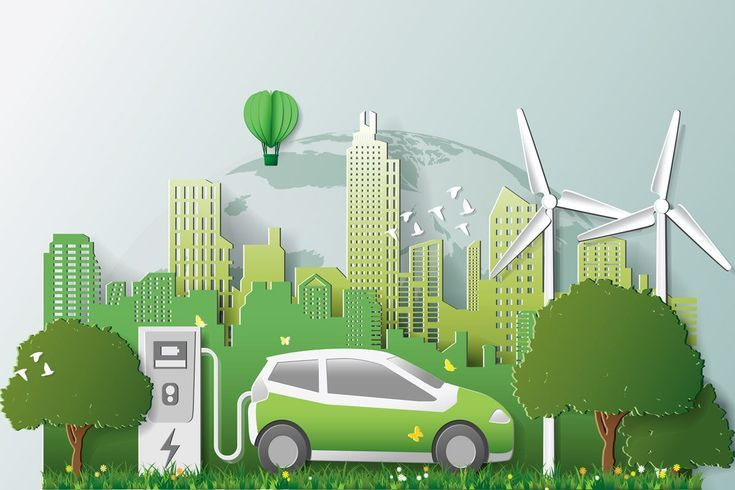
Transportation is a major source of greenhouse gas emissions. Cars, trucks, airplanes, and ships burn fossil fuels that release harmful pollutants into the atmosphere.
One of the best climate change solutions is encouraging sustainable transportation methods. Electric vehicles produce fewer emissions than traditional gasoline cars. Public transportation systems such as buses and trains also reduce traffic congestion and pollution.
Cycling and walking are environmentally friendly alternatives for short-distance travel. Many cities are building bike lanes and pedestrian-friendly roads to support cleaner transportation.
Carpooling is another effective option because it lowers fuel consumption and reduces the number of vehicles on the road.
Step 4: Protect Forests and Plant Trees
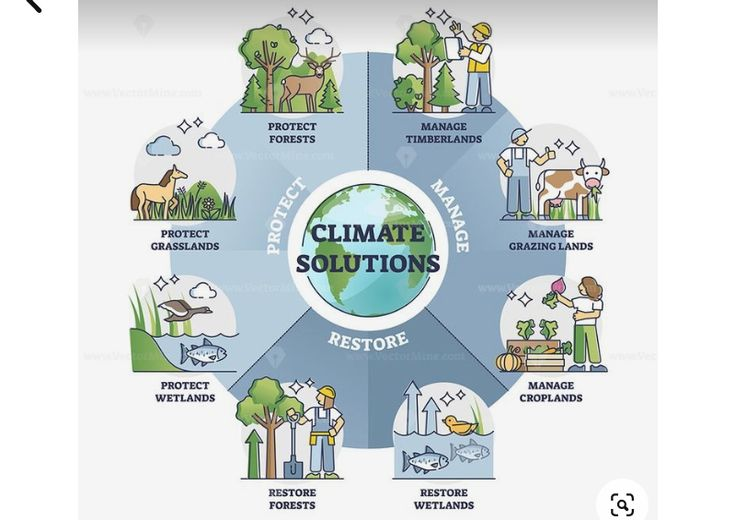
Forests absorb carbon dioxide from the atmosphere and help regulate global temperatures. Unfortunately, deforestation continues to destroy important ecosystems around the world.
Protecting forests is one of the most natural climate change solutions available today. Governments and environmental organizations are working to stop illegal logging and restore damaged forests.
Tree planting programs are becoming popular because trees improve air quality, support wildlife, and reduce soil erosion. Communities, schools, and businesses can organize local tree-planting campaigns to support environmental sustainability.
Step 5: Reduce Waste and Increase Recycling
Waste management plays an important role in environmental protection. Landfills produce methane gas, which contributes significantly to global warming.
Reducing waste is one of the easiest climate change solutions for individuals and households. People can avoid single-use plastics, reuse materials, and purchase products with minimal packaging.
Recycling paper, glass, plastic, and metal helps conserve natural resources and reduces industrial pollution. Composting food waste is another useful method because it creates natural fertilizer while lowering landfill waste.
Step 6: Support Sustainable Agriculture
Agriculture contributes to climate change through deforestation, excessive water use, and methane emissions from livestock. Sustainable farming practices help reduce environmental damage while maintaining food production.
Farmers can improve soil health by rotating crops, reducing chemical fertilizers, and using water-efficient irrigation systems. Organic farming methods also minimize pollution and support biodiversity.
Consumers can support sustainable agriculture by purchasing locally grown food and reducing food waste at home.
Step 7: Encourage Green Building Design
Modern buildings consume large amounts of electricity and water. Green building design focuses on reducing environmental impact through energy-efficient construction methods.
Eco-friendly buildings often include solar panels, natural ventilation systems, water-saving technologies, and sustainable construction materials. Proper insulation reduces heating and cooling costs while improving energy efficiency.
Many companies are now developing environmentally responsible offices and homes because green buildings lower long-term operating expenses.
Step 8: Raise Public Awareness
Education and awareness are essential climate change solutions because informed communities are more likely to support sustainable practices.
Schools, media organizations, and environmental groups can educate people about recycling, energy conservation, and pollution reduction. Social campaigns also encourage businesses and governments to adopt cleaner policies.
When people understand the environmental consequences of their actions, they are more likely to make responsible choices in daily life.
Benefits of Climate Change Solutions
Climate change solutions provide many environmental, social, and economic benefits.
- Reduce greenhouse gas emissions and slow global warming
- Improve air quality and public health
- Create new green jobs and business opportunities
- Protect forests, oceans, and wildlife habitats
- Lower long-term energy costs
- Encourage sustainable economic development
- Reduce dependence on fossil fuels
- Improve food and water security
- Minimize damage caused by natural disasters
- Support cleaner and healthier communities
- Increase energy independence for countries
- Promote innovation in science and technology
Disadvantages / Risks
Although climate change solutions offer many advantages, some challenges and risks still exist.
- Renewable energy projects can require high initial investments
- Transitioning industries may temporarily affect certain jobs
- Electric vehicle infrastructure is still developing in many regions
- Some green technologies depend on rare materials and minerals
- Government policies may face political resistance
- Large environmental projects sometimes take years to produce visible results
- Poorly managed recycling systems can create additional waste problems
- Some communities may lack financial resources for sustainable upgrades
Despite these challenges, long-term environmental and economic benefits usually outweigh the temporary difficulties.
Common Mistakes to Avoid
Many people support sustainability but unknowingly make mistakes that reduce environmental effectiveness.
Ignoring Small Daily Habits
Some individuals believe personal actions do not matter. In reality, daily habits such as wasting electricity, overusing plastic, and ignoring recycling contribute to environmental problems.
Relying Only on Governments
Governments play an important role, but climate change solutions also require support from businesses and individuals. Community participation is essential for long-term success.
Wasting Food
Food waste increases landfill emissions and wastes valuable natural resources. Planning meals properly and storing food carefully can reduce unnecessary waste.
Buying Unnecessary Products
Excessive consumerism increases pollution and resource depletion. Purchasing only necessary items supports sustainable living.
Ignoring Energy Efficiency
Many homes and offices still use outdated appliances that consume excessive electricity. Upgrading to energy-efficient technology saves money and reduces emissions.
Forgetting About Water Conservation
Water shortages are becoming more common in many regions. Wasting water increases pressure on natural ecosystems and energy systems.
FAQs
What are the best climate change solutions?
The best climate change solutions include renewable energy, sustainable transportation, forest conservation, energy efficiency, recycling, and environmentally responsible agriculture. Combining multiple strategies usually produces the strongest environmental results.
How can individuals help fight climate change?
Individuals can reduce electricity usage, recycle waste, use public transportation, avoid single-use plastics, plant trees, conserve water, and support sustainable businesses. Small daily actions become powerful when adopted by large populations.
Why is renewable energy important?
Renewable energy reduces dependence on fossil fuels and lowers greenhouse gas emissions. Solar, wind, and hydropower systems produce cleaner electricity while helping improve air quality.
Can businesses contribute to climate change solutions?
Yes. Businesses can adopt energy-efficient technologies, reduce industrial waste, invest in renewable energy, and create sustainable products. Many companies are now focusing on environmentally responsible production methods.
How does recycling help the environment?
Recycling conserves natural resources, reduces landfill waste, lowers pollution, and saves energy during manufacturing processes. Proper recycling also reduces greenhouse gas emissions.
Are electric vehicles better for the environment?
Electric vehicles generally produce fewer emissions than traditional gasoline-powered cars. They also reduce air pollution in cities and support cleaner transportation systems.
What role do forests play in climate protection?
Forests absorb carbon dioxide from the atmosphere and help regulate global temperatures. They also protect biodiversity, improve air quality, and prevent soil erosion.
Is climate change reversible?
Some environmental damage may be difficult to reverse completely, but strong climate change solutions can significantly slow global warming and improve environmental conditions over time.
Expert Tips & Bonus Points
Experts recommend focusing on long-term sustainability instead of temporary environmental trends. Consistent habits and smart investments produce better results over time.
Choose energy-efficient appliances whenever possible. Although they may cost more initially, they reduce electricity bills and environmental impact in the future.
Support businesses that follow environmentally responsible practices. Consumer choices encourage companies to improve sustainability standards.
Planting native trees and plants can improve local ecosystems because native species usually require less water and maintenance.
Using reusable bags, bottles, and containers is a simple but effective way to reduce plastic pollution.
Communities should encourage environmental education programs for children and teenagers. Young people often become strong supporters of sustainability and innovation.
Governments can strengthen climate change solutions by creating policies that support renewable energy investments and sustainable transportation systems.
Businesses should measure carbon emissions regularly and develop strategies for reducing pollution.
People living in cities can create rooftop gardens or support urban green spaces to improve air quality and reduce heat.
Technology companies can contribute by developing cleaner production methods and environmentally friendly products.
Finally, collaboration between governments, businesses, scientists, and citizens is essential. Climate change solutions become more effective when everyone works toward common environmental goals.
Conclusion
Climate change solutions are essential for protecting the planet and improving the quality of life for future generations. Environmental problems such as rising temperatures, air pollution, deforestation, and extreme weather events continue to threaten ecosystems and human communities worldwide. However, practical and effective solutions already exist.
Renewable energy, sustainable transportation, energy efficiency, recycling, forest conservation, and environmentally responsible agriculture are helping reduce harmful emissions and promote cleaner living environments. Governments and businesses have a major responsibility, but individuals also play an important role through daily habits and lifestyle choices.
The transition toward sustainability may require financial investments, policy changes, and public cooperation. Some challenges will take time to overcome, but long-term benefits make these efforts worthwhile. Cleaner air, healthier communities, economic growth, and environmental protection are valuable rewards for supporting sustainable practices.
Climate change solutions are not only about preventing future disasters. They also create opportunities for innovation, job creation, and stronger global cooperation. Every action, no matter how small, contributes to a larger positive impact when communities work together.
By supporting sustainability today, society can build a safer, healthier, and more balanced future for coming generations. The path toward environmental protection begins with awareness, responsibility, and a commitment to making better choices every day.