
Introduction to US-Iran News
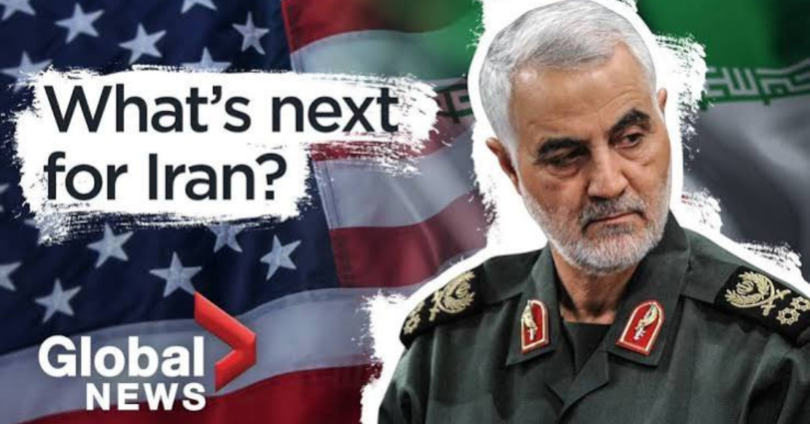
US-Iran news covers the political, diplomatic, economic, and security developments between the United States and Iran. The relationship between these two countries has been marked by decades of disagreements, sanctions, diplomatic efforts, and regional tensions. News about their relationship often focuses on nuclear negotiations, economic restrictions, military developments, and attempts to reduce conflict.
Overview of US-Iran Relations
The relationship between the United States and Iran has changed significantly over the years. Following the Iranian Revolution of 1979, relations became increasingly hostile. Since then, both countries have experienced periods of heightened tensions, economic sanctions, and diplomatic negotiations. Issues related to Iran’s nuclear program and regional activities have remained central to their disagreements.
Why US-Iran News Matters Globally
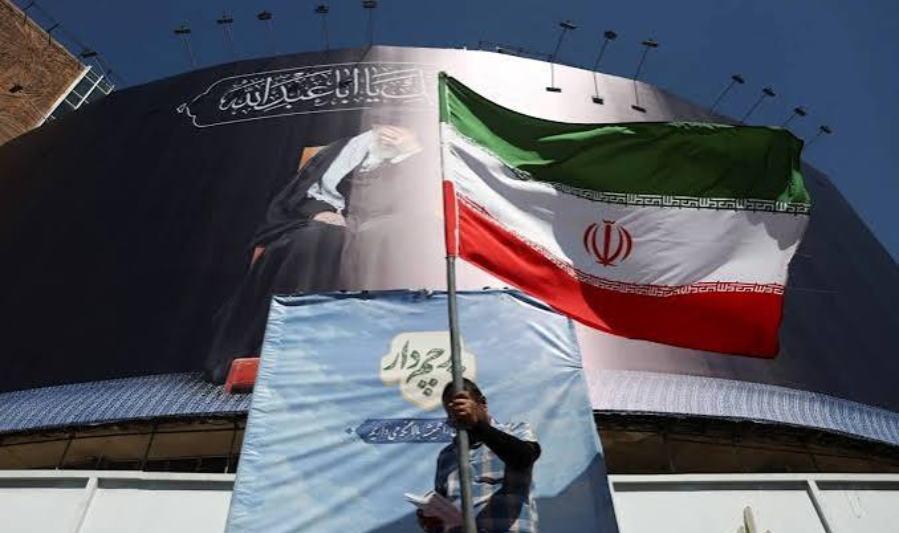
US-Iran news is important because developments between these countries can influence international security, global energy markets, oil prices, and economic stability. Tensions in the Middle East may also affect international trade and shipping routes. Governments, businesses, investors, and ordinary citizens follow these developments to understand their possible global impact.
Key Issues Shaping the Relationship
Several major issues influence relations between the United States and Iran. These include Iran’s nuclear program, US economic sanctions, regional security, military tensions, and diplomatic negotiations. Disagreements over these matters can affect relations with other countries and influence the wider political situation in the Middle East.
Iran’s Nuclear Program
Iran’s nuclear activities remain a major issue in discussions with the United States. Concerns about uranium enrichment and nuclear weapons development have contributed to negotiations and international monitoring efforts. Both countries have disagreed over the conditions needed for a lasting nuclear agreement.
US Economic Sanctions on Iran
The United States has imposed various economic sanctions on Iran, affecting its oil exports, financial transactions, and international trade. These restrictions are intended to influence Iranian government policies, but they have also contributed to economic challenges within Iran.
Regional Security and Military Tensions
Regional security is another important factor in US-Iran relations. Disagreements involving military activities, regional allies, and conflicts in the Middle East can increase tensions between the two countries. Developments in the Persian Gulf and the Strait of Hormuz are particularly important because of their role in global energy transportation.
Diplomatic Negotiations and Peace Efforts
Diplomatic negotiations provide opportunities for both countries to address disagreements and reduce the risk of conflict. Talks may focus on nuclear restrictions, sanctions relief, regional security, and possible agreements. Progress depends on the positions and commitments of both governments.
Below is an SEO-friendly blog section with H2 and H3 headings for your article on US-Iran News, using recent reporting available as of October 20, 2026.
Latest US-Iran News and Updates
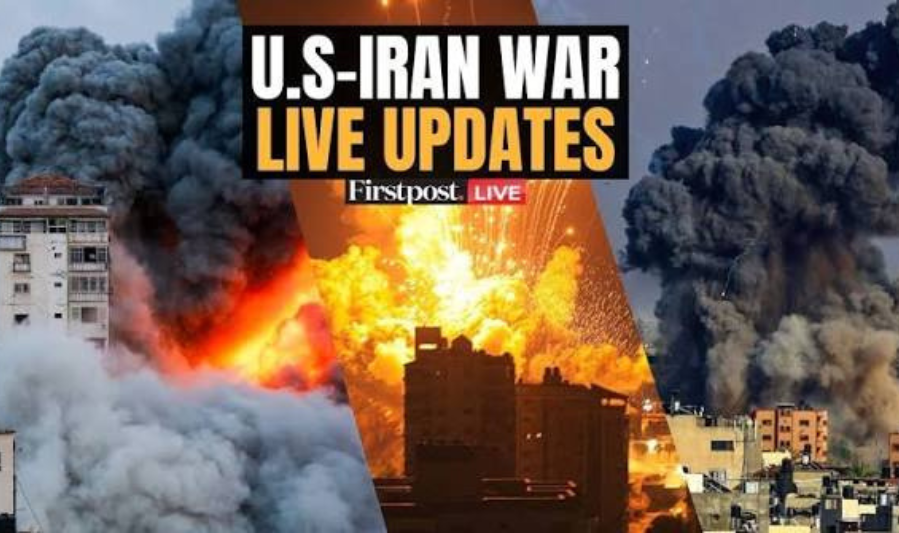
The latest US-Iran news focuses on diplomatic negotiations, regional security, economic sanctions, and disagreements over Iran’s nuclear program. As of October 20, 2026, relations between Washington and Tehran remain tense, with efforts to reach an agreement facing significant obstacles. Recent reporting indicates that the Strait of Hormuz, sanctions relief, and security guarantees remain central to discussions between the two countries.
Current Political Situation Between the US and Iran
The political relationship between the United States and Iran remains strained following months of conflict and unsuccessful attempts to establish a lasting agreement. Both governments continue to disagree over the conditions required to reduce hostilities and resolve their major disputes.
The Strait of Hormuz has become a central issue because of its importance to international shipping and energy supplies. Restrictions on maritime traffic and the US blockade of Iranian ports have increased economic and diplomatic pressure. The two sides also remain divided over Iran’s nuclear activities and the future of regional security arrangements.
According to Reuters reporting published on October 20, Iranian officials have expressed concern about renewed US or Israeli military action and remain reluctant to accept an agreement without major concessions from Washington.
Recent Developments in Diplomatic Relations
Diplomatic efforts have continued through intermediaries, including Qatar. However, negotiations have struggled because the United States and Iran disagree about which issues should be addressed first.
Iran has proposed reopening the Strait of Hormuz within seven days if its conditions are met. These conditions include lifting the US maritime blockade, easing restrictions on Iranian oil exports, releasing frozen Iranian assets, and ending hostilities. Iran has indicated that broader nuclear negotiations should follow progress on these immediate issues.
The United States has emphasized the need to address Iran’s nuclear program as part of any lasting settlement. As of October 20, no comprehensive agreement had been confirmed in the reporting reviewed.
Latest Statements from US Officials
US officials have continued to emphasize concerns about Iran’s nuclear program and the security of international shipping. President Donald Trump has stated that Iran must not acquire nuclear weapons, while the administration has maintained pressure on Tehran during negotiations.
In an interview with Reuters published on October 6, US Vice President JD Vance said Iran would need to make a meaningful reduction in its nuclear enrichment capacity to meet US demands for ending the conflict.
These statements indicate that Washington continues to regard nuclear restrictions as a major part of any potential agreement. The precise terms of a future settlement remain unresolved.
Latest Statements from Iranian Officials
Iranian officials have stressed that Tehran wants its conditions addressed before making further concessions. Foreign Minister Abbas Araqchi said on October 18 that Iran’s proposal to reopen the Strait of Hormuz within seven days remained on the table.
Iranian officials have also called for the lifting of restrictions on Iranian ports and oil exports, the release of frozen assets, and an end to hostilities. Tehran maintains that any agreement must address its security concerns and provide meaningful commitments from Washington.
According to Reuters reporting on October 20, Iranian officials also expressed deep distrust of US intentions, citing previous diplomatic efforts that were disrupted by military action. These views reflect the Iranian government’s stated position and do not necessarily represent an agreed assessment of responsibility for the breakdown in negotiations.
Important Events and Announcements
Several recent developments are particularly important for readers following US-Iran news.
Iran’s Proposal to Reopen the Strait of Hormuz
Iran has offered to restore passage through the Strait of Hormuz within seven days if its conditions are met. The proposal is significant because the waterway is a major route for international oil and liquefied natural gas shipments.
Disagreements Over Sanctions and the Maritime Blockade
The United States and Iran remain divided over economic restrictions and the blockade affecting Iranian ports. Iran wants restrictions eased, while Washington continues to use economic and maritime pressure as leverage in the conflict.
Continued Concerns Over Iran’s Nuclear Program
Iran’s nuclear activities remain a central obstacle to an agreement. Washington is seeking meaningful limits on enrichment, while Tehran insists that its rights and security concerns must be considered in negotiations.
Regional Security and International Energy Markets
Tensions around the Strait of Hormuz have raised concerns about shipping safety, oil supplies, and the wider global economy. Any change in maritime access or military activity could affect energy markets and countries that depend on supplies passing through the region.
Ongoing Efforts to Reach a Diplomatic Agreement
Qatar and other intermediaries have continued to play a role in transmitting messages between Washington and Tehran. However, differences over sanctions, nuclear restrictions, and security conditions continue to complicate efforts to reach a lasting settlement.
Sources for Further Reading
- Reuters: Iran prolongs talks in stalemate — October 20, 2026
- Reuters: Iran urges the US to accept its Hormuz proposal
- ABC News: Live updates on US-Iran developments
Editorial tip: Because this is a news article, add the publication or update date and verify the latest statements before publishing. Clearly distinguish official statements from claims made by anonymous sources.
Background of US-Iran Relations
The relationship between the United States and Iran has experienced major changes over the past several decades. Once close partners, the two countries became long-standing rivals following the Iranian Revolution of 1979. Political disagreements, economic sanctions, nuclear negotiations, and regional security concerns have shaped their relationship. Understanding this history helps readers understand the reasons behind current US-Iran news and ongoing diplomatic tensions. https://www.cfr.org/articles/us-relations-iran
History of Relations Between the Two Countries
Relations between the United States and Iran developed through periods of cooperation and conflict. Before 1979, Iran was ruled by Shah Mohammad Reza Pahlavi, whose government maintained close political, military, and economic ties with Washington.
The 1953 Coup and Growing Distrust
One of the most important events in the history of US-Iran relations occurred in 1953. The CIA and British intelligence helped overthrow Iranian Prime Minister Mohammad Mossadegh after disputes over Iran’s oil industry and its nationalization. The coup strengthened the Shah’s position and contributed to lasting resentment toward American involvement in Iranian politics.
Cooperation Before the 1979 Revolution
During the 1950s, 1960s, and 1970s, Iran and the United States cooperated on military, economic, and nuclear matters. Iran was an important US partner in the Middle East during the Cold War. However, opposition to the Shah’s authoritarian rule, political repression, and Western influence continued to grow within Iran. https://feeds.bbci.co.uk/news/world-middle-east-24316661
The 1979 Iranian Revolution and Its Impact
The Iranian Revolution of 1979 fundamentally changed relations between the United States and Iran. Widespread protests and strikes forced the Shah to leave Iran in January 1979. Ayatollah Ruhollah Khomeini returned from exile, and the Islamic Republic was established following the revolution.
The US Embassy Hostage Crisis
In November 1979, Iranian students seized the US Embassy in Tehran and took American diplomats and other personnel hostage. Fifty-two Americans were held for 444 days, creating a major international crisis.
The United States severed diplomatic relations with Iran in April 1980 and imposed economic restrictions. Although the hostages were released in January 1981, diplomatic relations between the two countries were never formally restored.
Long-Term Effects of the Revolution
The revolution transformed Iran’s political system and foreign policy. The new Iranian government opposed American influence in the region, while the United States became increasingly concerned about Iran’s regional activities and security policies. Mutual distrust developed into a defining feature of the relationship and continues to influence diplomatic discussions today. https://history.state.gov/countries/iran
Major Diplomatic Disputes Over the Years
Several major disputes have contributed to tensions between Washington and Tehran.
The Iran-Iraq War
During the Iran-Iraq War from 1980 to 1988, the United States increasingly supported Iraq in the later stages of the conflict. The war deepened Iranian distrust of Washington and contributed to continuing regional tensions.
Economic Sanctions and Trade Restrictions
The United States introduced and expanded sanctions against Iran over several decades. These measures have targeted areas such as oil exports, banking, investment, and international financial transactions. Washington has used sanctions to pressure Tehran over its nuclear program and other security concerns, while Iran has criticized them as harmful and unjustified.
Iran’s Nuclear Program
Iran’s nuclear program has remained a major source of disagreement. The United States and several other countries have sought restrictions and verification measures to prevent Iran from developing nuclear weapons. Iran maintains that its nuclear activities serve peaceful purposes and has insisted on its right to pursue civilian nuclear technology under international rules.
Regional Security and Military Tensions
The two countries have also disagreed over military activities, Iran’s relationships with regional armed groups, and the security of shipping routes in the Persian Gulf. Incidents involving military forces and regional partners have repeatedly increased tensions and complicated diplomatic efforts. https://www.reuters.com/world/irans-long-rivalry-with-united-states-2025-04-01/
Previous Attempts to Improve Relations
Despite decades of disagreements, the United States and Iran have made several attempts to improve relations through negotiations, diplomatic engagement, and international agreements.
Diplomatic Outreach During the Late 1990s
During the late 1990s, both countries showed some interest in improving relations. Diplomatic statements and indirect contacts created opportunities for dialogue, although major disagreements and political obstacles prevented a lasting improvement.
Diplomatic Engagement in 2013
In September 2013, US President Barack Obama and Iranian President Hassan Rouhani spoke by telephone. The conversation marked an important moment in direct communication between the two countries’ leaders after decades of limited high-level contact. It helped support broader diplomatic efforts concerning Iran’s nuclear program.
The 2015 Iran Nuclear Deal
In July 2015, Iran and six world powers—the United States, the United Kingdom, France, Germany, Russia, and China—reached the Joint Comprehensive Plan of Action (JCPOA).
Under the agreement, Iran accepted limits on parts of its nuclear program and expanded international monitoring in exchange for nuclear-related sanctions relief. The agreement represented a significant diplomatic achievement, although it did not resolve every disagreement between Washington and Tehran.
The US Withdrawal From the Nuclear Deal in 2018
In May 2018, President Donald Trump announced that the United States would withdraw from the JCPOA and reimpose sanctions on Iran. This decision increased tensions and weakened the agreement. Iran subsequently reduced its compliance with several nuclear commitments, while European governments attempted to preserve the deal.
Renewed Negotiations and Diplomatic Efforts
Since the collapse of the original agreement’s effectiveness, diplomatic efforts have continued at different times through direct and indirect negotiations. Discussions have focused on nuclear restrictions, sanctions relief, regional security, and ways to prevent further escalation. However, differences over verification, economic restrictions, and security guarantees have made a comprehensive settlement difficult to achieve. https://www.cfr.org/articles/us-relations-iran
Conclusion
The history of US-Iran relations explains why the two countries continue to face significant diplomatic challenges. The 1953 coup, the 1979 Iranian Revolution, the hostage crisis, economic sanctions, and disagreements over Iran’s nuclear program have all contributed to decades of mistrust. Previous negotiations, especially the 2015 nuclear deal, have demonstrated that diplomacy can produce agreements, but maintaining progress remains difficult. Understanding these historical events provides essential context for following the latest US-Iran news and evaluating future diplomatic developments.
Why Are the US and Iran in Conflict?
The conflict between the United States and Iran is rooted in decades of political disagreements, security concerns, economic sanctions, and competition for regional influence. Although both countries have participated in diplomatic negotiations at different times, major differences remain unresolved. The United States has raised concerns about Iran’s nuclear program and regional activities, while Iran has criticized American sanctions and military presence in the Middle East. Understanding these issues helps explain why US-Iran relations remain a major international concern.
Iran’s Nuclear Program
Iran’s nuclear program is one of the main sources of disagreement between Washington and Tehran. Iran says its nuclear activities are intended for peaceful purposes, including electricity generation, scientific research, and medical applications. However, the expansion of uranium enrichment has raised concerns among the United States and other countries about the possibility of Iran developing nuclear weapons.
International negotiations have attempted to place limits on Iran’s nuclear activities and establish monitoring measures. The 2015 nuclear agreement, known as the Joint Comprehensive Plan of Action (JCPOA), introduced restrictions and verification requirements in exchange for nuclear-related sanctions relief. However, the US withdrawal from the agreement in 2018 and Iran’s subsequent reductions in compliance weakened the arrangement.
Why Uranium Enrichment Matters
Uranium enrichment increases the concentration of the uranium-235 isotope. Low-enriched uranium can be used for civilian nuclear applications, while highly enriched uranium can be used in nuclear weapons. The level of enrichment, the amount of material produced, and international monitoring are therefore important issues in negotiations over Iran’s nuclear program.
US Concerns About Nuclear Weapons Development
The United States is concerned that Iran could develop the capacity to produce nuclear weapons, potentially changing the regional security balance. Washington has called for restrictions on Iran’s nuclear activities and stronger verification measures to provide confidence that its nuclear program is not being used to develop weapons.
Iran has repeatedly stated that it does not seek nuclear weapons and argues that its nuclear program is intended for peaceful purposes. The central disagreement concerns how to verify these claims, what restrictions should apply, and what guarantees would be sufficient to address international security concerns.
The Role of International Inspections
The International Atomic Energy Agency (IAEA) monitors nuclear activities under applicable safeguards agreements and other arrangements. Its inspections and reports help assess whether nuclear materials and facilities are being used consistently with declared purposes. Access to facilities, monitoring arrangements, and the verification of nuclear materials have been important issues in negotiations involving Iran.
Economic Sanctions Imposed on Iran
Economic sanctions are another major reason for the continuing conflict. The United States has imposed restrictions on Iranian oil exports, financial transactions, banking, investment, and other economic activities. Washington has used these measures to pressure Iran over its nuclear program and other security concerns.
These sanctions have affected Iran’s access to international markets and financial systems. Restrictions on oil exports can reduce government revenue, while banking limitations can make international trade and payments more difficult. The broader economic effects can also influence businesses and ordinary people in Iran.
Why the United States Uses Sanctions
US officials have presented sanctions as a way to encourage changes in Iranian government policies without relying solely on military action. Sanctions can also serve as negotiating leverage during diplomatic discussions.
Iran, however, argues that the restrictions harm its economy and unfairly affect its population. Tehran has repeatedly called for sanctions relief as part of negotiations. Disagreements over which sanctions should be lifted, when relief should begin, and how compliance should be verified have complicated efforts to reach agreements.
Military Tensions in the Middle East
Military tensions have repeatedly increased hostility between the United States and Iran. The United States maintains military forces and security partnerships in the Middle East, while Iran views some aspects of the American military presence as a threat to its national security.
Incidents involving military forces, attacks on regional facilities, maritime security, and armed groups associated with Iran have contributed to escalation. Each side has expressed concerns about the other’s military activities, making it difficult to establish lasting confidence.
The Importance of the Persian Gulf and Strait of Hormuz
The Persian Gulf and the Strait of Hormuz are strategically important because substantial quantities of oil and other energy products pass through this region. Any military confrontation or disruption to shipping can affect energy supplies, transportation costs, and international markets.
For this reason, developments involving US and Iranian forces in the area receive international attention. Both maritime security and the risk of escalation remain important subjects in US-Iran news.
Disagreements Over Regional Influence
The United States and Iran have different security priorities and competing interests across the Middle East. Iran has developed relationships with governments and armed groups in parts of the region, while the United States maintains partnerships with countries including Israel and several Gulf Arab states.
These competing relationships influence regional conflicts and diplomatic negotiations. Washington has criticized Iranian support for armed groups, while Tehran argues that its regional relationships contribute to its security and political interests.
Iran’s Regional Relationships
Iran has relationships with groups and political movements in countries such as Lebanon, Iraq, and Yemen. The nature and degree of Iranian support vary by group and country. These relationships are a source of concern for the United States and some of its regional partners, particularly when armed groups engage in attacks or contribute to instability.
US Alliances in the Middle East
The United States maintains security partnerships with Israel and several Arab countries in the Gulf. These partnerships involve military cooperation, arms sales, intelligence sharing, and efforts to protect shipping and regional security. Iran views some of these arrangements as part of the strategic pressure it faces, while the United States describes them as important to protecting its partners and interests.
Conclusion
The conflict between the United States and Iran is driven by several interconnected issues, including Iran’s nuclear program, concerns about nuclear weapons development, economic sanctions, military tensions, and competition for regional influence. Each issue contributes to mutual distrust and makes negotiations more complicated. Although diplomacy has produced important agreements in the past, lasting progress depends on resolving disagreements over nuclear restrictions, sanctions relief, regional security, and the commitments required from both governments.
Why Are the US and Iran in Conflict?
The conflict between the United States and Iran has developed over several decades due to political disagreements, nuclear concerns, economic sanctions, and competing interests in the Middle East. Both countries have different views on regional security, military activities, and Iran’s nuclear program. Although diplomatic negotiations have taken place over the years, many disagreements remain unresolved. Understanding these factors helps explain the continuing tensions and why US-Iran news receives worldwide attention.
Iran’s Nuclear Program
Iran’s nuclear program is one of the main sources of tension between the United States and Iran. Tehran maintains that its nuclear activities are intended for peaceful purposes, such as electricity generation, scientific research, and medical applications. However, Washington has expressed concerns that Iran’s uranium enrichment activities could create the ability to develop nuclear weapons.
Disagreements Over Uranium Enrichment
Uranium enrichment is a process used to increase the concentration of uranium-235. Although enriched uranium can support civilian nuclear energy programs, highly enriched uranium can also be used in nuclear weapons. The United States has called for restrictions and effective monitoring of Iran’s nuclear activities to address proliferation concerns.
Previous Nuclear Negotiations
In 2015, Iran and six world powers reached the Joint Comprehensive Plan of Action (JCPOA), which placed restrictions on parts of Iran’s nuclear program in exchange for sanctions relief. The United States withdrew from the agreement in 2018, and subsequent developments weakened the original arrangement. Efforts to establish new nuclear commitments have faced disagreements over verification, sanctions, and security guarantees.
Economic Sanctions Against Iran
Economic sanctions are another major factor contributing to tensions between Washington and Tehran. The United States has imposed restrictions on Iranian oil exports, banking, financial transactions, and international trade. These measures are intended to pressure the Iranian government over its nuclear activities and other security-related policies.
Impact of Sanctions on Iran’s Economy
Sanctions can limit Iran’s ability to sell oil, attract foreign investment, and conduct international financial transactions. These restrictions have created challenges for businesses and contributed to economic pressure on the country. Ordinary people may also experience indirect effects through higher costs, reduced economic opportunities, and difficulties accessing some imported goods.
Iran’s Response to US Sanctions
Iran has criticized US sanctions and called for their removal as part of diplomatic negotiations. Tehran argues that economic restrictions harm its population and limit its ability to develop international trade. Washington, meanwhile, has maintained that sanctions can encourage Iran to change policies and negotiate agreements addressing US security concerns.
Military Tensions in the Middle East
Military tensions have repeatedly increased the risk of confrontation between the United States and Iran. Washington maintains military forces and security partnerships across the Middle East, while Tehran views some US military activities and regional alliances as threats to its security.
Disagreements involving military operations, attacks on regional facilities, maritime incidents, and armed groups have contributed to mistrust. Such events can lead to retaliatory actions and complicate diplomatic efforts.
The Strategic Importance of the Strait of Hormuz
The Strait of Hormuz is a vital international shipping route connecting the Persian Gulf with the Gulf of Oman. Significant quantities of oil and other energy products pass through this narrow waterway, making its security important to the global economy.
Any disruption to shipping in the area could affect energy supplies, transportation costs, and international oil prices. Consequently, military developments involving the United States and Iran near this route are closely followed by governments, businesses, and energy markets around the world.
Risks of Further Military Escalation
Military confrontation can increase instability throughout the Middle East and create risks for neighboring countries. It can also disrupt trade, threaten civilian safety, and make negotiations more difficult. Preventing further escalation and maintaining secure shipping routes are therefore important issues in discussions about US-Iran relations.
Political and Regional Disagreements
The United States and Iran have different political systems, foreign policy objectives, and approaches to regional security. These differences have contributed to decades of mistrust and competition for influence across the Middle East.
Washington has raised concerns about Iran’s regional activities and relationships with armed groups. Iran, in contrast, argues that its regional partnerships support its security interests and help counter threats from the United States and its allies.
Competition for Regional Influence
Iran maintains relationships with political movements and armed groups in several Middle Eastern countries, including Lebanon, Iraq, and Yemen. The United States and some of its regional partners view certain activities linked to these groups as sources of instability and security risks.
Iran argues that its regional relationships are part of its broader security strategy. These competing perspectives have contributed to disagreements over conflicts, political developments, and the role of outside powers in the region.
US Relations With Israel and Gulf Countries
The United States maintains close security partnerships with Israel and several Gulf Arab countries. These relationships include military cooperation, intelligence sharing, and regional defense arrangements. Iran has criticized aspects of these partnerships, viewing them as part of the pressure it faces in the region.
Differences over Israel, regional armed groups, maritime security, and military cooperation continue to influence US-Iran relations. Resolving these issues remains difficult because both countries have distinct security priorities and expectations.
US-Iran Peace Talks and Negotiations
Peace talks between the United States and Iran aim to reduce military tensions, resolve nuclear disagreements, and establish conditions for a lasting settlement. Pakistan and Qatar have played important roles in facilitating communication between the two countries. However, disagreements over sanctions, nuclear activities, maritime security, and regional hostilities continue to make negotiations difficult.
Latest Diplomatic Efforts
As of October 20, 2026, diplomatic efforts are continuing, but a comprehensive peace agreement has not been reached. Iran has maintained that Washington must address its demands before formal negotiations can resume.
According to Reuters reporting on October 20, Pakistan’s army chief, Field Marshal Asim Munir, visited Tehran and met Iranian President Masoud Pezeshkian and other senior officials to discuss mediation and regional developments. Iranian officials reiterated their conditions for restarting talks, including lifting US sanctions on Iranian oil exports, ending the blockade of Iranian ports, and halting hostilities across the region. https://www.reuters.com/world/asia-pacific/irans-pezeshkian-discusses-mediation-efforts-meeting-with-pakistans-army-chief-2026-10-20/
Recent Attempts to Restart Negotiations
Earlier in October, Iran said it was reviewing US proposals for negotiations while continuing to exchange messages through Pakistan and Qatar. Iranian officials stated that any renewed dialogue would need to respect Tehran’s preconditions. https://www.aa.com.tr/en/middle-east/iran-says-reviewing-us-proposals-for-talks-as-indirect-messages-continue/4085816
On October 20, The New Arab also reported that Qatar and Pakistan had submitted a new peace proposal addressing nuclear issues and Iran’s frozen assets. However, the proposal’s reported reception should not be confused with a confirmed agreement: Reuters reported the same day that Iranian officials were still conditioning renewed talks on Washington meeting their demands.
Previous Ceasefire and Peace Agreements
Earlier mediation efforts produced a temporary ceasefire in April 2026 and an interim agreement in June. Negotiators subsequently attempted to develop a longer-term settlement covering nuclear restrictions, sanctions, and security arrangements. However, renewed hostilities and disagreements over shipping through the Strait of Hormuz undermined those efforts. https://www.reuters.com/world/major-reaction-news-iran-ceasefire-2026-04-08/
Main Demands from Both Countries
The United States and Iran have different priorities for ending the conflict. Washington has emphasized nuclear restrictions and regional security, while Tehran has focused on sanctions relief, an end to military operations, and guarantees against renewed attacks.
Key US Demands
The United States has emphasized several issues in its approach to negotiations:
- Restrictions on Iran’s nuclear program: Washington wants significant limits on uranium enrichment and measures addressing concerns about Iran’s enriched uranium stockpile.
- Nuclear verification: US officials want effective monitoring and verification arrangements to provide confidence that Iran’s nuclear activities remain within agreed limits.
- Regional security: Washington seeks to address Iranian activities that it considers threats to US forces, regional partners, and international shipping.
- A lasting settlement: The US position has emphasized an agreement that addresses nuclear concerns and reduces the risk of renewed conflict.
US Vice President JD Vance said earlier in October that Iran would need to make a meaningful reduction in its uranium enrichment capacity to meet US demands. Iran, however, has rejected transferring its enriched uranium abroad, highlighting a major obstacle in negotiations. https://www.reuters.com/world/asia-pacific/irans-pezeshkian-discusses-mediation-efforts-meeting-with-pakistans-army-chief-2026-10-20/
Key Iranian Demands
Iran has called for several conditions to be addressed before it resumes negotiations with Washington:
- Lifting economic sanctions: Tehran wants restrictions on Iranian oil exports and other economic activities removed.
- Ending the maritime blockade: Iran wants the US blockade affecting its ports lifted.
- Ending hostilities: Iranian officials have called for military operations to stop across the region.
- Security guarantees: Tehran wants credible assurances against renewed attacks.
- Control over its nuclear materials: Iran has insisted that its enriched nuclear material remain inside the country rather than be transferred abroad.
Iranian officials have argued that negotiations must take place on the basis of mutual respect rather than military or economic pressure. These demands reflect Tehran’s publicly stated position; reaching an agreement would require resolving differences with Washington over nuclear restrictions, enforcement, and security arrangements.
Role of Pakistan in Mediation
Pakistan has become an important intermediary in US-Iran diplomatic efforts because it maintains relations with both countries and has a strong interest in regional stability. The conflict has implications for Pakistan’s energy costs, trade, border security, and relations with neighboring countries.
Pakistani Prime Minister Shehbaz Sharif, Foreign Minister Ishaq Dar, and army chief Field Marshal Asim Munir have been involved in efforts to facilitate communication and encourage negotiations.
Pakistan’s Diplomatic Initiatives
Pakistan helped mediate the April 2026 ceasefire and hosted the first round of direct US-Iran talks in Islamabad in April. Although those talks ended without a comprehensive agreement, they established an important channel for communication between the two governments.
Pakistan subsequently helped facilitate an interim agreement in June alongside Qatar. The process included discussions on nuclear issues, sanctions, monitoring arrangements, and safe passage for commercial vessels through the Strait of Hormuz. However, renewed fighting later undermined the agreement. https://www.aljazeera.com/news/2026/6/15/how-pakistan-mediated-a-us-iran-agreement-after-more-than-100-days-of-war
Pakistan’s Continuing Role
Pakistan continues to relay messages, host diplomatic contacts, and encourage both sides to return to negotiations. Its geographic proximity to Iran and diplomatic relationships with Washington and Tehran give Islamabad an established channel for communication.
Qatar has also remained involved in mediation efforts. Cooperation between Pakistan and Qatar may help keep negotiations open, although neither country can guarantee that the United States and Iran will accept each other’s conditions.
For Pakistan, a reduction in hostilities could help protect regional trade, limit economic disruption, and reduce the risk of a wider conflict near its borders.
Challenges to Reaching an Agreement
Despite continued diplomatic efforts, several major obstacles stand in the way of a lasting agreement between the United States and Iran.
Differences Over Nuclear Restrictions
The nuclear issue remains one of the most difficult subjects. The United States wants significant restrictions on Iran’s enrichment activities and assurances concerning its enriched uranium. Iran opposes some of these demands and insists that its sovereignty and security interests must be respected.
Finding mutually acceptable limits, monitoring arrangements, and enforcement mechanisms will be essential to resolving this disagreement.
Disagreements Over Sanctions Relief
Iran wants economic restrictions lifted, particularly those affecting oil exports and financial transactions. The United States, however, has used sanctions as leverage in negotiations and has linked relief to changes in Iranian policies.
Both sides must agree on the timing and conditions of any sanctions relief, including how compliance would be verified and what would happen if commitments were not fulfilled.
Lack of Trust Between Both Governments
Decades of hostility, the collapse of previous agreements, and renewed military confrontations have weakened trust. Iran wants credible guarantees against future attacks, while the United States seeks confidence that Iran will comply with any nuclear and security commitments.
Without reliable verification, clear implementation procedures, and mechanisms for resolving disputes, even a new agreement could face difficulties.
Regional Conflicts and Maritime Security
The Strait of Hormuz remains a significant source of disagreement because of its importance to international energy shipments. Disputes over maritime access, blockades, and military activity could undermine negotiations even if progress is made on nuclear issues.
Conflicts involving other regional actors also complicate the process. A durable settlement would need to address how military operations are stopped, how shipping routes are protected, and how violations are handled.
Different Expectations About the Final Agreement
The United States and Iran do not agree on the order in which issues should be resolved. Washington emphasizes nuclear restrictions, while Tehran wants sanctions relief and an end to hostilities addressed as conditions for renewed negotiations.
Pakistan and Qatar can facilitate communication, but the final outcome depends on whether both governments are willing to negotiate compromises and accept verifiable commitments.
Strait of Hormuz and Global Oil Supplies
The Strait of Hormuz is one of the world’s most important maritime routes for transporting oil and natural gas. Located between Iran and Oman, it connects the Persian Gulf with the Gulf of Oman and the Arabian Sea. Its strategic position makes it essential to international energy supplies, commercial shipping, and global trade.
Tensions between the United States and Iran have made the strait a major focus of international attention. Disruptions to shipping can increase transportation costs, affect oil availability, and create uncertainty in global energy markets. According to the US Energy Information Administration, approximately 20.9 million barrels of oil and petroleum liquids passed through the strait daily during the first half of 2025. More recent estimates show that flows fell sharply during the conflict in 2026. https://www.eia.gov/international/content/analysis/special_topics/World_Oil_Transit_Chokepoints/
Importance of the Strait of Hormuz
The Strait of Hormuz is a strategic waterway for oil-producing countries, including Saudi Arabia, Iraq, Kuwait, the United Arab Emirates, and Iran. These countries depend on maritime routes to transport energy products to international customers.
A Major Route for Global Energy Supplies
The strait provides access to international markets for large volumes of crude oil, refined petroleum products, and liquefied natural gas (LNG). Many Asian economies depend on energy supplies transported through this route, making its security important to countries around the world.
Strategic Importance for the United States and Iran
The strait is also important in US-Iran relations because military tensions and disagreements over maritime access can affect commercial navigation. Iran’s location along the waterway gives it a significant geographic role, while the United States has emphasized the importance of maintaining secure international shipping routes.
Disagreements over access, naval activity, and restrictions on vessels can therefore become central issues during diplomatic negotiations.
Impact on Global Oil Transportation
Any disruption in the Strait of Hormuz can affect the movement of oil tankers and create uncertainty for energy producers, shipping companies, and consumers.
Changes in Oil Prices and Supply
When oil shipments are disrupted, buyers may face reduced availability and higher costs. Traders may respond by seeking alternative supplies, drawing on inventories, or purchasing oil from producers outside the affected region.
Recent reporting in October 2026 has highlighted continued disruption to Middle Eastern oil exports and increased shipping costs amid attacks on vessels and restrictions affecting the Strait of Hormuz. These developments have added pressure to global energy markets. https://www.eia.gov/outlooks/steo/report/global_oil.php
Higher Transportation and Insurance Costs
Shipping companies may face higher fuel expenses, longer journeys, and increased insurance premiums when vessels travel through areas affected by military conflict. Some operators may delay voyages or choose alternative routes if the security risks become too high.
These additional costs can affect the final price of oil and petroleum products delivered to refineries and customers.
Alternative Routes for Oil Exports
Some oil-producing countries have pipelines that can transport crude oil without passing through the Strait of Hormuz. Saudi Arabia and the UAE have alternative pipeline infrastructure, but these routes cannot replace all the oil normally transported through the strait.
Consequently, a prolonged disruption could create significant challenges for global energy supplies, even when alternative routes remain available.
Shipping and Trade Concerns
The Strait of Hormuz is important not only for energy transportation but also for international commerce. Commercial vessels carrying consumer goods, industrial materials, food products, and other cargo can be affected by instability in the region.
Security Risks for Commercial Ships
Military activity, attacks on vessels, threats to navigation, and possible maritime mines can put crews and cargo at risk. Shipping companies must assess these dangers before deciding whether to use the route.
Reports published in October 2026 have described attacks on commercial vessels and increased security concerns in the strait. These incidents have contributed to changes in shipping decisions and greater uncertainty for maritime operators. https://www.reuters.com/world/middle-east/iran-shifting-tactics-step-up-attacks-shipping-before-us-vote-officials-say-2026-10-14/
Delays in International Trade
When vessels cannot travel safely or must avoid certain maritime areas, deliveries may take longer. Delays can affect supply chains, increase freight costs, and create difficulties for businesses that depend on timely shipments.
These effects can extend beyond the Middle East because international trade networks connect producers, shipping companies, manufacturers, and consumers across multiple countries.
Impact on Asian Economies
Many Asian economies rely on oil and gas imports transported through the Strait of Hormuz. Countries that depend heavily on energy imports may face higher import bills and increased pressure on industries when shipments are disrupted.
Higher energy costs can also affect electricity generation, manufacturing, transportation, and household expenses. The extent of the impact depends on each country’s energy sources, reserves, alternative suppliers, and ability to adjust to changing market conditions.
Importance of Safe Maritime Navigation
Maintaining safe passage through the Strait of Hormuz is a major international concern. Governments, shipping companies, and energy producers monitor developments closely to assess risks and protect commercial operations.
Diplomatic efforts to reduce US-Iran tensions could help improve shipping conditions, but lasting stability would require agreements on maritime access, security arrangements, and the prevention of further attacks on commercial vessels.
How US-Iran Tensions Affect Oil Prices
Tensions between the United States and Iran can significantly influence global oil prices, fuel costs, and international trade. The Middle East is a major energy-producing region, and the Strait of Hormuz is a critical route for transporting oil to international markets. When military conflict threatens oil production or shipping, concerns about supply shortages can push prices higher.
According to the International Energy Agency (IEA), disruptions to shipping through the Strait of Hormuz during the 2026 conflict caused a major shock to global oil supplies. The effects have extended beyond crude oil, affecting diesel, jet fuel, transportation, and consumer prices. https://www.iea.org/reports/sheltering-from-oil-shocks/summary
Global Crude Oil Prices
Global crude oil prices respond to changes in supply, demand, and expectations about future market conditions. When tensions between Washington and Tehran threaten oil production, export facilities, or shipping routes, traders may expect supplies to become more limited. This can cause crude oil prices to rise even before a shortage reaches consumers.
Why Oil Prices Rise During Conflict
Several factors can push oil prices higher during US-Iran tensions:
- Supply disruptions: Military attacks or restrictions on oil exports can reduce the amount of crude oil reaching international markets.
- Shipping risks: Tanker operators may delay journeys or avoid dangerous areas, reducing the flow of oil.
- Higher insurance costs: Increased maritime security risks can raise the cost of transporting oil.
- Market uncertainty: Traders may buy oil in anticipation of future shortages, contributing to price volatility.
Recent Changes in Oil Prices
Oil markets have experienced substantial volatility during the 2026 conflict. In an October 21 report, Reuters said Brent crude rose to around $110 per barrel as concerns about Middle Eastern supply disruptions increased. Prices also responded to developments in diplomatic negotiations and changes in shipping security. https://www.reuters.com/business/energy/oil-rises-middle-east-supply-worries-2026-10-21/
These movements demonstrate that oil prices depend not only on current production but also on expectations about future supplies. Progress in peace negotiations may ease supply concerns, while renewed escalation can increase uncertainty.
Impact on Petrol and Diesel Prices
Changes in international crude oil prices can eventually affect the prices consumers pay for petrol and diesel. However, the timing and size of these changes vary between countries because fuel prices also depend on refining costs, exchange rates, transportation expenses, taxes, and government policies.
How Higher Crude Oil Prices Affect Petrol
Petrol is produced by refining crude oil. When crude oil becomes more expensive, refineries may face higher input costs, which can raise wholesale petrol prices. Retail prices may then increase as fuel distributors and petrol stations adjust their prices.
The effect is not always immediate. Some governments regulate fuel prices or provide subsidies, while other countries allow international market changes to pass through to consumers more quickly.
Why Diesel Prices Can Rise Sharply
Diesel is essential for freight trucks, agricultural machinery, industrial equipment, and many commercial vehicles. During a supply disruption, diesel prices can rise because of limited supplies, refining constraints, and increased demand for alternative fuel sources.
The IEA has reported that disruptions to Middle Eastern energy supplies during the 2026 conflict placed particularly strong pressure on refined products, including diesel and jet fuel. Higher diesel costs can also increase the cost of transporting food, manufactured goods, and other essential products. https://www.iea.org/commentaries/from-hormuz-to-the-pump-why-oil-price-shocks-hit-consumers-differently
Effects on Petrol and Diesel Prices in Pakistan
Pakistan is exposed to international oil price changes because it imports a substantial share of its petroleum requirements. When global oil prices rise, the cost of importing fuel can increase, putting pressure on domestic petrol and diesel prices.
The effect also depends on the Pakistani rupee’s exchange rate, import and distribution costs, petroleum taxes, and government pricing decisions. Higher fuel costs can affect public transport, private travel, electricity generation in some settings, and the movement of agricultural and industrial goods.
As a result, developments in US-Iran relations and the security of the Strait of Hormuz can have economic implications for Pakistani households and businesses.
Effects on International Trade
US-Iran tensions can affect international trade by increasing energy costs, disrupting maritime transportation, and creating uncertainty for businesses. Because oil is an essential input for many industries, changes in energy prices can spread through global supply chains.
Higher Shipping and Transportation Costs
When shipping routes become dangerous, vessels may face higher insurance premiums, security expenses, and freight rates. Some companies may use longer alternative routes, increasing fuel consumption and delivery times.
These additional expenses can raise the cost of importing and exporting goods. Businesses may pass some of the higher costs on to customers through increased prices.
Impact on Food and Consumer Goods
Higher fuel prices can increase the cost of transporting food, clothing, electronics, medicines, and other consumer products. Agriculture can also be affected because machinery, irrigation, processing, and the transportation of crops depend on energy.
If elevated fuel and freight costs continue, businesses may increase prices or reduce profit margins. The scale of the effect depends on how long the disruption lasts and whether companies can find alternative suppliers or transportation routes.
Effects on Importing Countries
Countries that depend heavily on imported oil can face larger import bills when global prices increase. Governments may need to spend more foreign currency on energy imports, potentially putting pressure on exchange rates and trade balances.
Japan and several Asian economies, for example, depend on energy supplies transported through the Strait of Hormuz. Disruptions can force importers to seek alternative supplies at higher costs, affecting their economies and industrial production.
Long-Term Economic Consequences
If oil prices and transportation costs remain high for an extended period, businesses may postpone investments, consumers may reduce spending, and inflationary pressures may increase. Central banks and governments may then face difficult decisions about interest rates, public spending, and support for households.
However, the overall impact varies across countries according to their domestic energy production, strategic reserves, alternative import routes, and economic policies.
Key Takeaway
US-Iran tensions can affect global crude oil prices, petrol and diesel costs, and international trade through supply disruptions, shipping risks, and higher transportation expenses. The impact is particularly important for countries that rely on imported energy, including Pakistan. Diplomatic progress and the restoration of safe shipping through the Strait of Hormuz could help reduce market uncertainty, while prolonged disruption could continue to put pressure on households, businesses, and the global economy.
Here is an SEO-friendly blog section with H2 and H3 headings for your article on US-Iran News, focusing on Pakistan’s diplomacy, petrol prices, trade, and regional security. The latest available reporting is from October 20–21, 2026.
Impact of US-Iran Tensions on Pakistan
US-Iran tensions have important economic, diplomatic, and security implications for Pakistan. As a neighboring country of Iran, Pakistan has a strong interest in preventing further conflict and maintaining stability across the Middle East. Rising international oil prices, disruptions to energy supplies, and uncertainty in regional trade can affect Pakistan’s economy and everyday life.
At the same time, Pakistan has taken an active diplomatic role in efforts to reduce tensions between Washington and Tehran. The outcome of these efforts could influence Pakistan’s energy costs, trade relationships, and regional security.
Pakistan’s Diplomatic Role
Pakistan has emerged as an important mediator in efforts to reduce tensions between the United States and Iran. Its geographic location, diplomatic relationships, and shared border with Iran give Islamabad a strong interest in encouraging dialogue and preventing a wider regional conflict.
In October 2026, Pakistan continued its mediation efforts despite setbacks in previous negotiations.
Recent Diplomatic Efforts by Pakistan
On October 20, 2026, Pakistan’s army chief, Field Marshal Asim Munir, visited Tehran and met senior Iranian officials, including President Masoud Pezeshkian. The discussions focused on mediation and the possibility of resolving the ongoing conflict with the United States.
However, Iran indicated that it would not resume negotiations until Washington addressed its demands, including lifting sanctions on Iranian oil exports and ending the blockade of Iranian ports. This highlighted the challenges Pakistan faces in bringing both sides back to the negotiating table. Source: Reuters, October 20, 2026.
Why Mediation Matters to Pakistan
Pakistan has several important reasons to support diplomatic efforts:
- Economic stability: Reducing tensions could help limit oil price volatility and pressure on Pakistan’s import bill.
- Regional peace: A wider conflict could create security challenges along Pakistan’s border with Iran.
- International relations: Successful mediation could strengthen Pakistan’s diplomatic relationships with the United States, Iran, and other regional countries.
- Energy security: A peaceful settlement could help restore more reliable energy transportation through the Strait of Hormuz.
Although Pakistan can facilitate communication and encourage negotiations, any lasting agreement depends on the decisions and commitments of the United States and Iran.
Possible Effects on Petrol Prices in Pakistan
One of the most immediate economic concerns for Pakistan is the potential effect of US-Iran tensions on petrol and diesel prices. Pakistan imports a substantial share of its petroleum requirements, making domestic fuel costs sensitive to international oil prices, exchange rates, and government pricing decisions.
When conflict threatens oil production or shipping routes, global crude oil prices can rise. Higher import costs may then place pressure on domestic fuel prices.
How International Oil Prices Affect Pakistan
Several factors determine how global oil market developments affect petrol and diesel prices in Pakistan:
- Crude oil prices: Higher international prices increase the cost of purchasing petroleum.
- Exchange rates: A weaker Pakistani rupee makes dollar-priced oil imports more expensive.
- Shipping and insurance: Increased risks in the Strait of Hormuz can raise transportation and insurance expenses.
- Government taxes and pricing policies: Petroleum levies, other charges, and official price adjustments influence the final price at petrol stations.
The effects may not be immediate because the government considers import costs, existing inventories, exchange rates, and pricing schedules when revising domestic fuel prices.
Latest Petrol and Diesel Prices
On October 20, 2026, Pakistan’s government reduced the retail price of petrol by Rs5.16 per litre and high-speed diesel by Rs7.69 per litre. The revised prices were Rs381.14 per litre for petrol and Rs389.27 per litre for diesel. These reductions followed earlier increases during the conflict. Source: Dawn, October 19, 2026.
These figures illustrate that domestic fuel prices can change even while international oil markets remain volatile. If tensions intensify and global oil supplies face further disruption, Pakistan could experience renewed upward pressure on fuel prices. Conversely, sustained diplomatic progress and more reliable shipping could ease some of that pressure.
Impact on Households and Businesses
Higher petrol and diesel prices can increase the cost of commuting, public transport, food delivery, and goods transportation. Businesses that depend on vehicles, generators, agricultural machinery, or industrial equipment may also face higher operating expenses.
For households, these costs can reduce the money available for food, education, healthcare, and other essential needs. The overall impact depends on the duration of the disruption and how much of the increase is passed on to consumers.
Impact on Trade and Regional Security
US-Iran tensions can affect Pakistan’s international trade, energy supplies, and security environment. The country maintains economic links with Gulf states and shares a border with Iran, making regional stability particularly important.
Effects on Pakistan’s International Trade
Higher oil prices can increase Pakistan’s import bill and put pressure on its foreign exchange reserves. More expensive shipping and insurance can also raise the cost of importing raw materials, machinery, and consumer products.
If these costs remain elevated, Pakistani businesses may face reduced profit margins, higher production expenses, and pressure to increase prices. Exporters may also face difficulties if transportation costs rise or economic uncertainty weakens demand in international markets.
Pakistan has also explored diversifying its energy sources. In August 2026, Reuters reported that Pakistan’s largest oil refiner was expanding purchases of US crude as the disruption to Gulf shipping highlighted the risks of relying heavily on regional energy routes. Source: Dawn/Reuters, August 17, 2026.
Energy Security and the Strait of Hormuz
The Strait of Hormuz is a critical route for international oil and liquefied natural gas shipments. Disruptions to shipping can affect the availability and cost of energy supplies for countries that depend on imports from the Gulf.
For Pakistan, prolonged disruption could increase the cost of petroleum imports and create additional uncertainty for energy planning. Natural gas and liquefied natural gas supply interruptions can also place pressure on electricity generation and industrial activity.
Diversifying suppliers, maintaining adequate fuel reserves, and improving energy efficiency can help reduce exposure to external supply shocks, although these measures cannot completely eliminate the effects of a prolonged regional crisis.
Regional Security and Border Concerns
Pakistan shares a long border with Iran and has important security and economic interests across the region. A prolonged conflict could increase border management challenges, disrupt cross-border movement, and create additional pressure on regional security arrangements.
Instability could also affect Pakistan’s relations with Gulf countries and complicate its efforts to maintain constructive ties with both Washington and Tehran. A wider conflict involving additional regional actors would create further uncertainty for trade, investment, and diplomatic cooperation.
Importance of Regional Cooperation
Pakistan has an interest in supporting peaceful negotiations, protecting commercial shipping, and maintaining stable relationships with neighboring countries. Cooperation with Iran, Gulf states, and international partners can help reduce the risks associated with regional instability.
Diplomatic engagement cannot guarantee an immediate end to the conflict, but continued communication can provide opportunities to reduce misunderstandings, prevent further escalation, and support a more stable regional environment.
Add a balanced conclusion for PakistanClarify the difference between facts and projections
FAQS:
What is the latest US Iran news?
The latest US Iran news focuses on diplomatic tensions, nuclear negotiations, economic sanctions, and efforts to reduce conflict between the two countries.
Why are the US and Iran in conflict?
The US and Iran have disagreements over Iran’s nuclear program, economic sanctions, regional security, and political influence in the Middle East.
Are the US and Iran holding peace talks?
Diplomatic efforts have been made to address disagreements between the two countries. The status of current negotiations can change, so readers should check the latest official statements and reliable news reports.
How do US-Iran tensions affect oil prices?
US-Iran tensions can increase uncertainty in global energy markets, particularly if oil production or shipping through the Strait of Hormuz is disrupted. This uncertainty may contribute to changes in crude oil and fuel prices.
How could US-Iran tensions affect Pakistan?
US-Iran tensions could affect Pakistan through changes in petrol prices, regional trade, border security, and diplomatic relations. Higher international oil prices may also increase transportation costs and inflation in Pakistan.
Conclusion
US Iran news remains important because tensions between the two countries can affect international security, global oil prices, economic stability, and regional relations. Issues such as nuclear negotiations, economic sanctions, peace talks, and the security of the Strait of Hormuz continue to influence their relationship. Pakistan and other countries in the region may also experience economic and diplomatic effects as the situation develops. Continued diplomatic efforts and peaceful negotiations could help reduce tensions and support regional stability. Readers should follow reliable news sources for the latest US Iran news and verified updates on future developments.