
Introduction
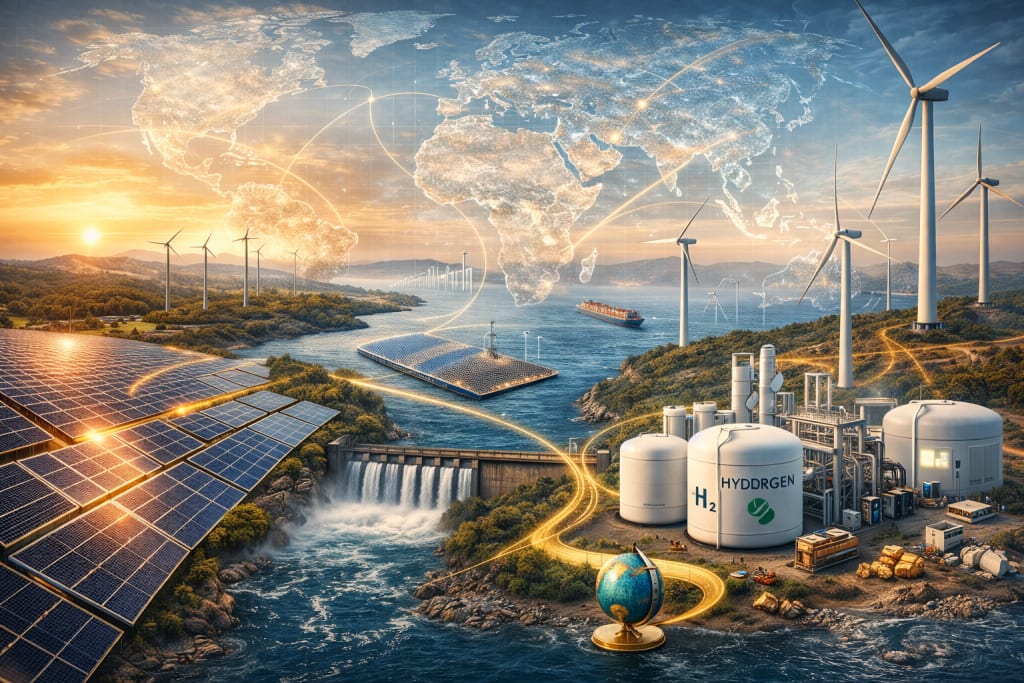
The global energy sector is changing faster than ever before. Countries, businesses, and consumers are moving toward cleaner and more sustainable energy solutions to reduce pollution and fight climate change. As a result, the clean energy industry has become one of the fastest-growing industries in the world. From solar panels on rooftops to massive offshore wind farms, clean energy technologies are shaping the future of power generation and energy use.
In recent years, governments have introduced policies and investments that encourage renewable energy development. At the same time, technological improvements have reduced costs and increased efficiency. This progress has made clean energy more affordable for homes, businesses, and industries. Investors are also showing strong interest in renewable energy companies because they see long-term growth opportunities in the sector.
The clean energy industry trends and future outlook show a strong shift toward innovation, sustainability, and energy independence. Experts predict that renewable energy sources will continue replacing fossil fuels in many areas of the economy. In addition, electric vehicles, energy storage systems, and smart power grids are expected to expand rapidly in the coming years.
Understanding the future of clean energy is important for individuals, businesses, and governments. Whether someone wants to invest, start a business, or simply reduce energy costs, learning about these trends can help them make smarter decisions.
What is Clean Energy Industry Trends and Future Outlook?
Clean energy industry trends and future outlook refer to the latest developments, technologies, market changes, and predictions related to renewable and environmentally friendly energy sources. Clean energy includes solar power, wind energy, hydropower, geothermal energy, biomass, and other energy systems that produce little or no pollution.
The industry focuses on replacing traditional fossil fuels such as coal, oil, and natural gas with renewable energy solutions. These cleaner sources help reduce greenhouse gas emissions and support environmental protection. The future outlook examines how the industry may grow, which technologies are likely to dominate, and what challenges companies and governments could face.
Today, clean energy is no longer a small niche market. It has become a major part of the global economy. Large corporations, startups, and public organizations are investing billions of dollars into renewable energy projects. This rapid development is creating new jobs, encouraging innovation, and transforming the way energy is produced and consumed around the world.
Why is Clean Energy Industry Trends and Future Outlook Important?
Understanding clean energy industry trends and future outlook is important for several reasons. First, the world faces serious environmental problems caused by pollution and excessive use of fossil fuels. Renewable energy offers a practical solution that can reduce carbon emissions and improve air quality.
Second, clean energy supports long-term economic growth. Many countries are creating new jobs in solar panel manufacturing, wind turbine production, electric vehicle development, and energy storage systems. As the industry grows, businesses can discover profitable opportunities in emerging markets.
Third, energy security has become a global concern. Countries that rely heavily on imported fossil fuels often face price fluctuations and supply disruptions. Renewable energy allows nations to produce power locally, reducing dependence on foreign energy sources.
Another important factor is consumer demand. Modern consumers prefer sustainable products and services. Companies that adopt clean energy solutions often improve their public image and attract environmentally conscious customers.
Finally, technological innovation is accelerating rapidly. Advances in battery storage, smart grids, and energy efficiency are making renewable energy systems more reliable and affordable. This progress is expected to shape the future economy and create a cleaner environment for future generations.
Detailed Step-by-Step Guide
Step 1: Understand the Current Energy Market
The first step in understanding clean energy industry trends and future outlook is learning how the current energy market operates. Traditional energy sources such as coal and oil still dominate many regions, but renewable energy is growing quickly. Governments worldwide are setting climate goals and introducing policies that support renewable projects.
Energy companies are now balancing environmental concerns with rising electricity demand. This shift has increased investments in solar farms, offshore wind projects, and modern power grids. Understanding these market conditions helps businesses and individuals identify future opportunities.
Step 2: Explore Major Renewable Energy Sources
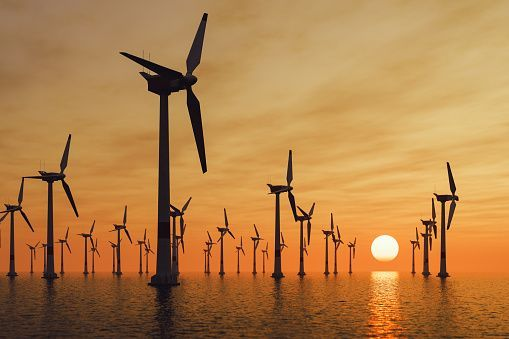
Solar energy remains one of the most popular renewable energy options. Solar panel prices have dropped significantly during the last decade, making installations more affordable for households and businesses. Wind energy is also expanding rapidly, especially in coastal regions with strong wind resources.
Hydropower continues to provide reliable electricity in many countries, while geothermal energy is gaining attention for its stable energy production. Biomass energy is another growing segment that uses organic materials to generate power. Each renewable source has unique advantages and challenges.
Step 3: Analyze Technological Innovations
Technology plays a major role in the growth of clean energy. Battery storage systems are improving rapidly, allowing excess renewable energy to be stored and used later. This helps solve the problem of inconsistent energy production from solar and wind systems.
Smart grids are also becoming more advanced. These systems use digital technology to manage electricity distribution more efficiently. Artificial intelligence and data analytics help energy companies predict demand and reduce energy waste.
Electric vehicles are another important innovation connected to the clean energy industry. As more consumers switch to electric transportation, demand for renewable electricity and charging infrastructure will continue increasing.
Step 4: Study Government Policies and Investments
Government support strongly influences clean energy growth. Many countries offer tax credits, grants, and subsidies for renewable energy projects. Environmental regulations are also encouraging businesses to reduce carbon emissions.
International climate agreements have pushed governments to invest heavily in renewable infrastructure. Public funding often supports research, energy storage development, and large-scale renewable installations. Businesses that understand these policies can take advantage of financial incentives and market opportunities.
Step 5: Monitor Consumer Behavior
Consumer preferences are changing quickly. Many people now prefer environmentally friendly products and services. Homeowners are installing rooftop solar systems to lower electricity bills and reduce environmental impact.
Businesses are also adopting sustainability goals to attract customers and investors. This trend is encouraging companies to use renewable energy in manufacturing, transportation, and office operations. Monitoring consumer behavior helps predict future market demand.
Step 6: Evaluate Future Industry Opportunities
The future outlook for clean energy appears highly promising. Experts predict strong growth in solar energy, battery storage, hydrogen fuel, and electric transportation. Offshore wind projects are expected to expand significantly in the coming years.
Emerging technologies such as green hydrogen could transform industries that are difficult to electrify, including heavy manufacturing and shipping. Carbon capture systems may also play a role in reducing industrial emissions.
Investors, entrepreneurs, and job seekers can benefit by understanding these future opportunities early. The industry is expected to create millions of new jobs globally while supporting economic development and environmental sustainability.
Step 7: Understand the Role of Energy Storage
Energy storage is becoming one of the most important areas in the renewable energy market. Solar and wind systems cannot always produce electricity at the exact moment people need power. Batteries and other storage technologies solve this challenge by saving excess electricity for later use. Modern lithium ion batteries are already widely used in homes, businesses, and electric vehicles.
Large utility companies are investing heavily in grid-scale battery systems because they improve reliability and reduce energy waste. Researchers are also exploring alternatives such as solid-state batteries, flow batteries, and thermal storage technologies. These innovations may lower costs and increase efficiency in the future.
Reliable storage systems will help renewable energy become more practical in regions with changing weather conditions. As battery prices continue to decline, more households and businesses are expected to install storage solutions alongside renewable energy systems.
Step 8: Learn About Green Hydrogen
Green hydrogen is gaining attention as a future clean fuel. It is produced using renewable electricity to separate hydrogen from water through electrolysis. Unlike traditional hydrogen production, green hydrogen creates little or no harmful emissions.
Many experts believe hydrogen could support industries that are difficult to electrify directly. Heavy transportation, shipping, aviation, and steel manufacturing may benefit from hydrogen-based energy systems. Governments and private companies are investing billions of dollars into hydrogen research and infrastructure projects.
Although green hydrogen technology is still developing, the long-term outlook appears promising. Production costs are expected to decrease as renewable electricity becomes cheaper and electrolysis technology improves. In the future, hydrogen could become an important part of the global clean energy economy.
Step 9: Examine the Growth of Electric Vehicles
Electric vehicles are closely connected to the clean energy industry. As transportation shifts away from gasoline and diesel, demand for renewable electricity will increase significantly. Major automobile manufacturers are expanding their electric vehicle production and introducing new models every year.
Charging infrastructure is also growing rapidly. Governments and private businesses are installing charging stations in cities, shopping centers, highways, and residential areas. This expansion makes electric vehicles more convenient for consumers.
Battery improvements are helping electric vehicles travel longer distances while charging more quickly. In addition, maintenance costs for electric vehicles are often lower than traditional cars because they have fewer moving parts. As prices continue to fall, electric vehicles may become the standard transportation option in many countries.
Step 10: Focus on Sustainable Construction and Smart Cities
Clean energy trends are influencing the construction industry as well. Modern buildings are being designed with energy efficiency and renewable power systems in mind. Smart buildings use advanced technology to reduce energy consumption and improve efficiency.
Many cities are investing in sustainable infrastructure projects such as solar-powered streetlights, electric public transportation, and green buildings. Urban planners are focusing on reducing emissions while improving quality of life for residents.
Smart city technology allows governments to monitor traffic, lighting, and energy use more effectively. These systems help reduce waste and lower operating costs. As urban populations continue growing, sustainable cities will become increasingly important for environmental protection and resource management.
Step 11: Prepare for Future Workforce Changes
The growth of renewable energy is changing the global job market. Traditional energy industries are slowly transitioning toward cleaner technologies, creating demand for new skills and training programs. Workers with knowledge of solar installation, wind turbine maintenance, energy analysis, and battery technology are becoming highly valuable.
Educational institutions are responding by offering renewable energy courses and technical certifications. Governments are also supporting workforce development programs to prepare employees for clean energy careers.
Young professionals entering the workforce may find strong opportunities in engineering, environmental science, project management, and energy consulting. Continuous learning and adaptability will remain important because clean energy technologies evolve rapidly.
Step 12: Watch Global Investment Patterns
Global investment trends strongly influence the future of clean energy. Large financial institutions, venture capital firms, and multinational corporations are increasing their investments in renewable technologies. Many investors now consider environmental sustainability when making business decisions.
Developing countries are also becoming important renewable energy markets. Falling equipment costs allow more regions to build solar and wind projects that were previously too expensive. International cooperation and funding programs are helping emerging economies expand renewable infrastructure and improve electricity access.
Private companies are signing long-term renewable energy agreements to stabilize energy costs and reduce emissions. These partnerships create predictable demand for clean energy developers and encourage additional innovation across the industry.
Financial experts believe sustainable investing will continue growing as consumers and governments demand greater environmental responsibility from businesses. Companies that ignore clean energy trends may struggle to compete in future markets.
Step 13: Track Digital Transformation in Energy
Digital technology is transforming the clean energy industry in several ways. Energy companies now use advanced software, sensors, and cloud systems to monitor renewable projects in real time. Predictive maintenance tools can identify equipment problems early, reducing downtime and repair costs.
Data analytics also improves energy forecasting. Utility companies can better predict electricity demand and balance renewable power production with consumer needs. Blockchain technology is even being explored for secure energy trading between households and businesses.
As digital systems continue improving, renewable energy networks may become more reliable, flexible, and efficient. Combining digital innovation with sustainable energy solutions will likely shape the next phase of industry growth worldwide.
Clean energy education and public awareness are also expanding globally. Schools, universities, and online learning platforms are teaching students about renewable technologies, climate science, and sustainability practices. Increased awareness encourages responsible energy use and inspires future innovation. Public support often influences government policies, business investments, and community renewable projects around the world.
Benefits of Clean Energy Industry Trends and Future Outlook
- Reduces greenhouse gas emissions and environmental pollution
- Supports long-term economic growth and job creation
- Encourages innovation in technology and energy systems
- Improves public health through cleaner air quality
- Reduces dependence on imported fossil fuels
- Creates investment opportunities in emerging industries
- Lowers energy costs over time for consumers and businesses
- Supports energy independence and national security
- Increases demand for skilled workers and technical education
- Promotes sustainable development for future generations
Disadvantages and Risks
- High initial installation costs for some renewable systems
- Weather conditions can affect solar and wind energy production
- Energy storage technology is still developing
- Some renewable projects require large land areas
- Grid infrastructure upgrades can be expensive
- Policy changes may impact industry investments
- Certain clean energy materials require mining and resource extraction
- Technical skill shortages may slow industry growth
- Competition between companies can create market instability
- Some regions lack renewable energy infrastructure
Common Mistakes to Avoid
One common mistake is assuming that all renewable energy systems work the same way. Each technology has different requirements, costs, and performance levels. Businesses and consumers should research carefully before investing in a specific solution.
Another mistake is ignoring long-term maintenance and operational costs. Although renewable systems can save money over time, they still require regular monitoring and upgrades.
Some companies also fail to understand government regulations and incentives. Missing available tax credits or grants can increase project expenses unnecessarily.
Relying only on short-term trends is another risk. The clean energy industry changes quickly, so businesses should focus on long-term strategies and market research instead of temporary market excitement.
Finally, many organizations underestimate the importance of energy storage and infrastructure planning. Without proper storage systems and grid support, renewable energy projects may not operate efficiently.
FAQs
What are the main sources of clean energy?
The main sources of clean energy include solar power, wind energy, hydropower, geothermal energy, and biomass energy. These energy sources produce lower emissions compared to fossil fuels and support environmental sustainability.
Why is the clean energy industry growing so fast?
The clean energy industry is growing because governments, businesses, and consumers want cleaner and more sustainable energy solutions. Falling technology costs, environmental concerns, and supportive policies are also driving rapid growth.
What is the future outlook for renewable energy?
The future outlook for renewable energy is very positive. Experts expect continued investment in solar power, wind farms, battery storage, electric vehicles, and hydrogen energy technologies during the next several decades.
How does clean energy help the environment?
Clean energy reduces air pollution and greenhouse gas emissions. This helps slow climate change, improves air quality, and protects natural ecosystems from environmental damage caused by fossil fuels.
Are clean energy jobs increasing?
Yes, clean energy jobs are increasing worldwide. New opportunities are appearing in engineering, manufacturing, installation, maintenance, research, and renewable energy project management.
What challenges does the clean energy industry face?
The industry faces challenges such as high startup costs, energy storage limitations, infrastructure upgrades, and changing government policies. However, technological improvements continue solving many of these issues.
Expert Tips and Bonus Points
Experts recommend staying informed about technological developments and government regulations in the renewable energy sector. Industry trends change quickly, so continuous learning is essential for long-term success.
Businesses should focus on energy efficiency before investing heavily in renewable systems. Reducing energy waste often provides faster savings and improves overall sustainability performance.
Investors should diversify their clean energy portfolios instead of relying on a single technology. Solar, wind, battery storage, and electric transportation may all offer different growth opportunities.
Consumers can begin with small changes such as using energy-efficient appliances or installing rooftop solar panels. These actions can lower electricity costs while supporting environmental goals.
Another important tip is building partnerships with experienced renewable energy professionals. Expert guidance helps avoid costly mistakes and improves project performance.
Conclusion
The clean energy industry trends and future outlook demonstrate a major transformation in the global energy sector. Renewable energy is no longer an alternative option used by a small number of people. It has become a central part of economic development, environmental protection, and technological innovation worldwide.
Rapid advancements in solar power, wind energy, battery storage, and smart grid systems are making clean energy more accessible and affordable than ever before. Governments, investors, and consumers are increasingly supporting sustainable solutions because they recognize the long-term environmental and financial benefits. As a result, the industry is expected to continue expanding during the coming decades.
Although challenges such as infrastructure costs and energy storage limitations still exist, ongoing research and innovation are helping solve these problems. Businesses that adapt early to renewable energy trends may gain competitive advantages and long-term growth opportunities.
For individuals, understanding the future of clean energy can support better financial decisions, career planning, and environmental responsibility. Whether someone is interested in investment opportunities, sustainable living, or technological innovation, the clean energy industry offers significant potential.
The transition toward cleaner energy systems is shaping a more sustainable future for the world. By following industry trends and embracing renewable technologies, societies can reduce pollution, strengthen economies, and create healthier communities for future generations