
Future tech and energy innovation is transforming the global energy landscape by introducing smarter, cleaner, and more efficient ways to produce and consume electricity, and as the world moves toward sustainability, technologies like renewable energy systems, artificial intelligence, smart grids, and advanced storage solutions are reshaping how energy is generated, distributed, and used in everyday life and industrial systems.
What Is Energy Innovation
Energy innovation refers to the development of new technologies and systems that improve how energy is produced, stored, and consumed. It focuses on making energy cleaner, cheaper, and more efficient.
This includes renewable energy sources like solar and wind, as well as advanced technologies such as smart grids and energy storage systems that support modern energy demand.
Rise of Renewable Energy Technologies
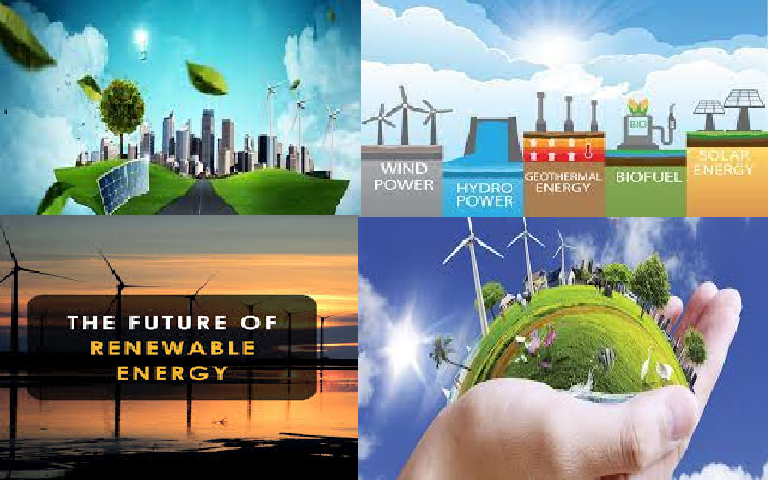
Renewable energy is at the center of future tech innovation. Solar, wind, hydro, and bioenergy are replacing traditional fossil fuels in many countries.
These technologies are becoming more affordable and scalable, making them a key driver of global clean energy transition.
ReNew Power is one example of companies expanding large-scale solar and wind projects globally.
Role of Artificial Intelligence in Energy Systems
Artificial intelligence is playing a major role in optimizing energy production and consumption. AI helps predict energy demand, manage power grids, and reduce waste.
Modern energy systems use AI to improve efficiency and balance supply and demand in real time, making energy distribution smarter and more reliable.
Smart Grids and Digital Energy Networks
Smart grids are advanced electricity networks that use digital technology to monitor and manage energy flow. They improve reliability and reduce energy loss.
These systems allow real-time communication between energy producers and consumers, making energy usage more efficient and flexible.
Energy Storage Innovation
Energy storage is a critical part of modern energy systems because renewable energy sources are not always constant.
Advanced battery technologies store excess energy generated during peak production and release it when demand is high, ensuring stable electricity supply.
Hydrogen Energy and Future Fuel Systems
Hydrogen energy is emerging as a clean alternative fuel for industries and transportation. It produces only water when used as fuel.
Green hydrogen, produced using renewable energy, is expected to play a major role in decarbonizing heavy industries in the future.
Electric Vehicles and Energy Transition
Electric vehicles (EVs) are a key part of energy innovation because they reduce dependence on fossil fuels and lower carbon emissions.
As EV adoption grows, the demand for clean electricity and charging infrastructure is also increasing worldwide.
Role of Energy Markets and Industry Trends
Energy markets are shifting due to increasing demand for clean energy and changes in global policies.
According to industry analysis, rising electricity demand from AI, data centers, and industrial expansion is accelerating renewable energy adoption globally.
Clean Energy Growth and Global Shift
The global clean energy sector is growing rapidly, with solar and wind projects expanding at record levels due to lower costs and policy support.
Many countries are investing heavily in renewable infrastructure to reduce dependence on fossil fuels and improve energy security.
Challenges in Energy Innovation
Despite rapid progress, energy innovation faces challenges such as high infrastructure costs, storage limitations, and regulatory barriers.
Grid capacity and supply chain issues can also slow down the deployment of new energy technologies.
Future of Energy Innovation
The future of energy is moving toward fully integrated digital and renewable systems powered by AI, automation, and advanced storage solutions.
Experts predict that renewable energy, smart grids, and clean technologies will dominate global energy systems in the coming decades.
FAQ’s
What is energy innovation
It is the development of new technologies to improve energy production and usage.
Why is renewable energy important
It reduces pollution and supports sustainability.
How does AI help energy systems
It improves efficiency and predicts energy demand.
What is the future of energy
It is moving toward clean, smart, and digital energy systems.
Conclusion
Future tech and energy innovation is reshaping the global energy industry by introducing cleaner, smarter, and more efficient systems that reduce environmental impact and improve energy management. With advancements in renewable energy, AI, smart grids, and storage technologies, the world is moving toward a sustainable energy future where efficiency and innovation will define how power is produced and consumed.