
Introduction
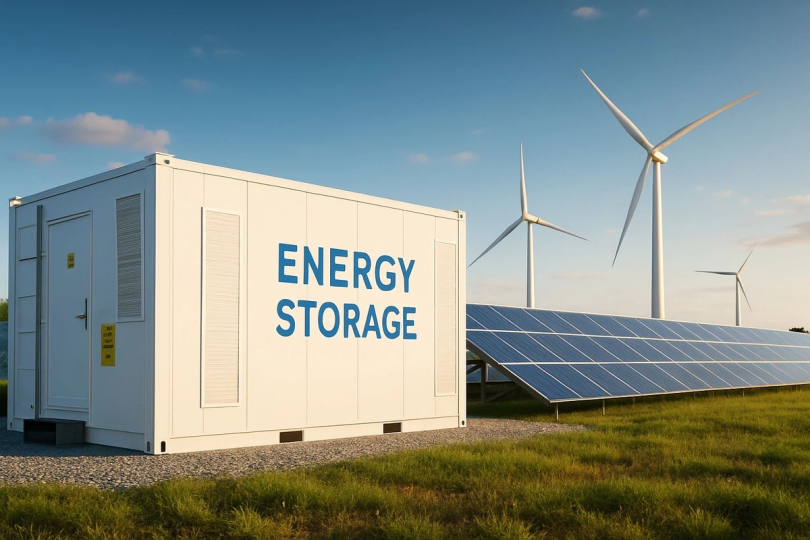
Energy storage technology is becoming one of the most important innovations in the modern energy industry. As the world moves toward renewable power sources such as solar and wind energy, the need for efficient storage systems continues to grow. These systems help store electricity when production is high and release it when demand increases. Without reliable storage, renewable energy cannot provide stable and continuous power.
In recent years, governments, businesses, and homeowners have invested heavily in advanced storage solutions. From electric vehicles to large industrial power grids, energy storage technology now supports many areas of daily life. It also plays a major role in reducing carbon emissions and improving energy efficiency.
Many people think energy storage only refers to batteries. However, the industry includes several technologies such as thermal storage, pumped hydro systems, compressed air systems, and hydrogen storage. Each method serves a different purpose depending on the energy requirement.
This article explains everything beginners and intermediate readers need to know about energy storage technology. You will learn how it works, why it matters, its major benefits, possible risks, common mistakes, and expert recommendations for future use.
What is Energy Storage Technology?
Energy storage technology refers to systems and methods used to capture energy for later use. These systems store electricity, heat, or mechanical energy and release it when needed. The main purpose is to balance energy supply and demand.
For example, solar panels generate electricity during sunny hours. If that electricity is not used immediately, energy storage systems can save it for nighttime use. This process improves efficiency and reduces waste.
The most common form of energy storage technology is rechargeable batteries. Lithium-ion batteries are widely used in electric vehicles, smartphones, and home backup systems. However, other storage methods are also important in large-scale energy operations.
Common types of energy storage include:
- Battery energy storage systems
- Pumped hydro storage
- Thermal energy storage
- Flywheel storage
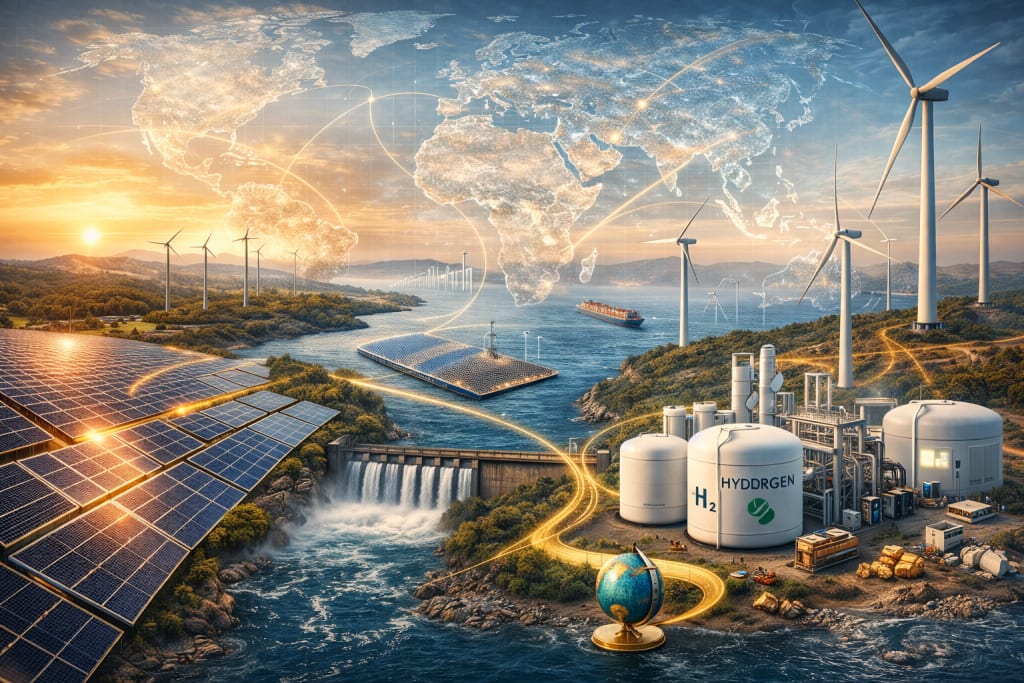
- Hydrogen energy storage
- Compressed air energy storage
Modern energy storage technology supports renewable energy integration and helps maintain stable electricity networks. As renewable power production grows, advanced storage solutions will become even more necessary.
Why is Energy Storage Technology Important?
Energy storage technology is important because it improves energy reliability, sustainability, and efficiency. Renewable energy sources are not always available at the exact moment electricity is needed. Storage systems solve this challenge by saving energy for future use.
One major advantage is grid stability. Electricity demand changes throughout the day. During peak hours, energy consumption rises quickly. Storage systems release stored electricity during these periods to prevent blackouts and power shortages.
Another important reason is environmental protection. Fossil fuel power plants produce pollution and greenhouse gases. By supporting renewable energy, energy storage technology helps reduce dependence on coal, oil, and natural gas.
Energy storage also supports emergency backup power. Hospitals, data centers, factories, and homes use storage systems to continue operating during outages.
The technology also creates economic opportunities. Many countries are investing in clean energy infrastructure, creating jobs in manufacturing, engineering, research, and installation.
In addition, electric vehicles depend heavily on efficient battery systems. Improvements in storage technology are helping vehicles travel longer distances with shorter charging times.
Overall, energy storage technology supports a cleaner, safer, and more reliable energy future.
Detailed Step-by-Step Guide
Step 1: Understand Energy Demand
Before selecting an energy storage system, it is important to analyze energy consumption patterns. Homes and businesses should calculate how much electricity they use daily and identify peak usage hours.
For example, a factory may consume the most electricity during daytime production. A homeowner may use more energy in the evening. Understanding these patterns helps determine the correct storage capacity.
Step 2: Choose the Right Storage Technology
Different energy storage technologies are suitable for different applications.
Lithium-ion batteries are ideal for homes, electric vehicles, and portable devices because they are compact and efficient. Pumped hydro storage works better for utility-scale power systems because it can store large amounts of energy.
Thermal storage systems are commonly used in heating and cooling applications. Hydrogen storage is gaining attention for industrial and transportation sectors.
Choosing the right technology depends on:
- Budget
- Energy capacity needs
- Installation space
- Charging speed
- Maintenance requirements
- Environmental conditions
Step 3: Evaluate System Capacity

Capacity refers to the amount of energy a system can store. Larger systems provide more backup power but may cost more.
Users should consider both short-term and long-term energy needs. A small battery may support a house for several hours, while industrial systems may provide power for entire cities.
It is also important to check discharge rates. Some systems release energy quickly, while others provide power gradually over longer periods.
Step 4: Install the System Properly
Professional installation is essential for safety and efficiency. Improper installation can reduce performance and create electrical hazards.
Installers typically examine:
- Wiring requirements
- Ventilation systems
- Temperature conditions
- Safety standards
- Battery placement
- Grid connections
Large-scale energy storage systems may require permits and regulatory approval.
Step 5: Integrate Renewable Energy Sources
Many users combine energy storage technology with renewable energy systems. Solar panels and wind turbines are common examples.
During periods of high energy production, excess electricity charges the storage system. Later, the stored power can be used when renewable generation decreases.
All-in-one systems such as sigenStor home energy storage handle this process automatically by combining a solar inverter, battery and smart energy management in a single unit.
This setup reduces electricity bills and increases energy independence.
Step 6: Monitor Performance
Modern energy storage systems often include software tools for monitoring energy production, storage levels, and consumption.
These systems help users:
- Track energy savings
- Detect performance issues
- Improve efficiency
- Predict maintenance needs
- Optimize charging schedules
Smart monitoring also helps businesses reduce operational costs.
Step 7: Perform Regular Maintenance
Even advanced storage systems require regular maintenance. Batteries should be inspected for wear, overheating, and charging problems.
Pumped hydro and compressed air systems may require equipment inspections and mechanical servicing.
Proper maintenance increases lifespan and improves safety.
Step 8: Plan for Future Expansion
Energy demand often increases over time. Businesses may expand operations, and homeowners may add electric vehicles or smart appliances.
Choosing scalable energy storage technology allows future upgrades without replacing the entire system.
Flexible systems provide better long-term value and adaptability.
Benefits of Energy Storage Technology
Energy storage technology provides many advantages across residential, commercial, and industrial sectors.
- Supports renewable energy integration
- Reduces electricity costs during peak hours
- Improves energy reliability and grid stability
- Provides backup power during outages
- Reduces greenhouse gas emissions
- Increases energy efficiency
- Supports electric vehicle growth
- Helps manage fluctuating energy demand
- Reduces dependence on fossil fuels
- Encourages sustainable energy development
- Creates new employment opportunities
- Enhances energy security for countries
- Improves power quality for industries
- Allows better use of excess renewable energy
- Supports smart grid development
These benefits explain why governments and private companies continue investing in advanced energy storage technology.
Disadvantages / Risks
Despite its advantages, energy storage technology also has some challenges and risks.
- High initial installation costs
- Limited battery lifespan
- Performance degradation over time
- Environmental concerns from battery disposal
- Risk of overheating in some battery systems
- Complex recycling processes
- Space requirements for large installations
- Dependence on rare minerals like lithium and cobalt
- Maintenance expenses for industrial systems
- Efficiency losses during energy conversion
Some technologies are still developing and may not yet be affordable for all users. However, continuous research is helping reduce these limitations.
Common Mistakes to Avoid
Many users make avoidable mistakes when adopting energy storage technology.
One common mistake is selecting the wrong system size. An undersized system may fail to meet energy demands, while an oversized system can increase unnecessary costs.
Another mistake is ignoring environmental conditions. High temperatures can reduce battery efficiency and lifespan. Proper ventilation and cooling are essential.
Some people focus only on price instead of quality. Cheap systems may offer lower performance and shorter operational life.
Lack of professional installation is another serious issue. Incorrect wiring or poor setup can create safety risks and reduce system reliability.
Users also sometimes neglect maintenance. Regular inspections help identify problems before they become expensive repairs.
Another common error is failing to consider future energy needs. A growing household or business may require additional storage capacity later.
Finally, many users ignore software monitoring tools. These tools provide valuable insights that improve performance and energy savings.
Avoiding these mistakes can significantly improve the effectiveness and lifespan of energy storage technology.
FAQs
1. What is the most common type of energy storage technology?
Lithium-ion batteries are currently the most common energy storage technology. They are widely used in smartphones, laptops, electric vehicles, and home energy systems because of their high efficiency and compact size.
2. Can energy storage systems work without solar panels?
Yes, energy storage systems can operate independently. They can store electricity from the power grid and provide backup power during outages or peak demand periods.
3. How long do energy storage batteries last?
Most lithium-ion battery systems last between 10 and 15 years depending on usage patterns, charging cycles, maintenance, and environmental conditions.
4. Is energy storage technology safe?
Modern systems are generally safe when installed and maintained properly. Advanced safety features help prevent overheating, electrical faults, and performance failures.
5. Why is energy storage important for renewable energy?
Renewable energy sources like solar and wind do not produce electricity continuously. Energy storage technology stores excess power and supplies it when production decreases.
6. What industries use energy storage technology?
Many industries use energy storage systems, including transportation, healthcare, manufacturing, telecommunications, data centers, and renewable energy sectors.
7. Can energy storage reduce electricity bills?
Yes, users can store electricity during low-cost periods and use it during peak pricing hours. This strategy helps lower overall energy expenses.
8. What is the future of energy storage technology?
The future looks promising. Researchers are developing better batteries, faster charging systems, safer materials, and more efficient large-scale storage solutions.
Expert Tips & Bonus Points
Experts recommend starting with a clear energy assessment before investing in any storage solution. Understanding your actual energy usage prevents unnecessary spending.
Choose systems from reputable manufacturers with strong warranties and safety certifications. Quality products usually deliver better long-term performance.
If possible, combine energy storage technology with renewable energy systems such as solar panels. This combination maximizes efficiency and reduces dependence on traditional electricity grids.
Businesses should invest in smart monitoring software. Data analysis helps improve energy management and predict maintenance requirements.
Homeowners should also consider battery placement carefully. Cool and dry locations improve battery lifespan and safety.
Another expert recommendation is to plan for future expansion. Energy needs may grow because of electric vehicles, new appliances, or business development.
Governments worldwide are offering incentives and tax benefits for clean energy adoption. Researching local policies can help reduce installation costs.
Finally, users should stay informed about new developments in solid-state batteries, hydrogen storage, and advanced recycling technologies. These innovations may significantly improve energy storage technology in the coming years.
Conclusion
Energy storage technology is transforming the global energy industry. As renewable energy adoption continues to increase, efficient storage systems are becoming essential for reliable and sustainable power distribution. From residential battery systems to large industrial storage facilities, these technologies help balance energy supply and demand while supporting environmental goals.
Modern energy storage solutions improve energy security, reduce electricity costs, and decrease dependence on fossil fuels. They also play a critical role in supporting electric vehicles, smart grids, and emergency backup systems. Although some challenges still exist, continuous innovation is making storage systems safer, more affordable, and more efficient.
For beginners and intermediate users, understanding energy storage technology is important because it will shape the future of energy consumption worldwide. Governments, businesses, and homeowners are all investing in advanced storage systems to create cleaner and more stable power networks.
By choosing the right technology, performing proper maintenance, and planning for future energy needs, users can maximize the benefits of energy storage systems. As research and development continue, the industry is expected to deliver even more advanced solutions that support sustainable growth and long-term energy reliability.
Energy storage technology is not only an important part of modern infrastructure but also a major step toward a smarter and greener future.