
Introduction
The global energy sector is changing rapidly, and smart grid innovation is becoming one of the most important developments in modern power systems. Traditional electricity networks were designed decades ago and often struggle to meet the growing demand for energy. Today, homes, businesses, and industries need a more reliable, efficient, and intelligent system that can handle renewable energy sources, reduce outages, and improve energy management. This is where smart grid innovation plays a major role.
A smart grid is an advanced electricity network that uses digital technology, automation, sensors, and communication systems to monitor and manage the flow of electricity. Unlike traditional power grids, smart grids can detect problems quickly, balance energy demand, and improve overall efficiency. As energy consumption continues to increase worldwide, governments and utility companies are investing heavily in smart grid technology to modernize aging infrastructure.
Moreover, smart grid innovation supports renewable energy integration, including solar and wind power. It also helps consumers monitor electricity usage in real time, leading to lower energy bills and reduced waste. From smart meters to automated substations, this technology is reshaping the future of power distribution.
In recent years, smart grid innovation has gained attention because of its ability to improve sustainability and energy security. It creates a smarter, cleaner, and more flexible energy ecosystem that benefits both consumers and power providers. Understanding how smart grids work and why they matter is essential for anyone interested in the future of energy and technology.
What is Smart Grid Innovation?
Smart grid innovation refers to the modernization of electricity networks using digital communication technologies, advanced sensors, artificial intelligence, and automation tools. The goal is to improve the efficiency, reliability, and sustainability of electricity generation and distribution.
Traditional grids mainly deliver electricity in one direction, from power plants to consumers. However, smart grids allow two-way communication between utility providers and users. This enables real-time monitoring, better energy management, and faster responses to power issues.
A smart grid includes several advanced components such as:
- Smart meters
- Automated control systems
- Renewable energy integration
- Energy storage systems
- Real-time monitoring tools
- Advanced cybersecurity systems
For example, if there is a power outage in a neighborhood, a smart grid can identify the affected area immediately and reroute electricity to minimize disruption. Similarly, smart grids can automatically adjust energy flow during peak demand periods to avoid overloads.
In simple terms, smart grid innovation makes electricity systems more intelligent, responsive, and environmentally friendly.
Why is Smart Grid Innovation Important?
Smart grid innovation is important because it addresses many challenges faced by traditional energy systems. Modern societies rely heavily on electricity, and even short outages can create serious problems for businesses, hospitals, transportation systems, and households.
One major advantage is improved reliability. Smart grids can quickly detect faults and restore power faster than traditional systems. This reduces downtime and improves customer satisfaction.
Another important factor is energy efficiency. Smart grids help reduce electricity waste by monitoring energy usage in real time. Consumers can also track their power consumption and make better decisions to lower energy costs.
Additionally, smart grid innovation supports clean energy adoption. Renewable energy sources such as solar panels and wind turbines often produce variable amounts of electricity. Smart grids help balance supply and demand, making renewable energy more practical and stable.
Furthermore, smart grids contribute to environmental protection by reducing greenhouse gas emissions and encouraging sustainable energy practices.
Detailed Step-by-Step Guide
Understanding the Basic Structure
The first step in understanding smart grid innovation is learning about its structure. A smart grid combines traditional power infrastructure with digital communication systems.
Key components include:
- Power generation units
- Transmission lines
- Distribution systems
- Smart sensors
- Control centers
- Consumer devices
These components work together to create an intelligent electricity network.
Installing Smart Meters
Smart meters are one of the most important elements of smart grid technology. They replace traditional electricity meters and provide real-time energy usage data.
Benefits of smart meters include:
- Accurate billing
- Better energy tracking
- Faster outage detection
- Improved energy management
Consumers can monitor electricity consumption and adjust usage habits to save money.
Integrating Renewable Energy Sources
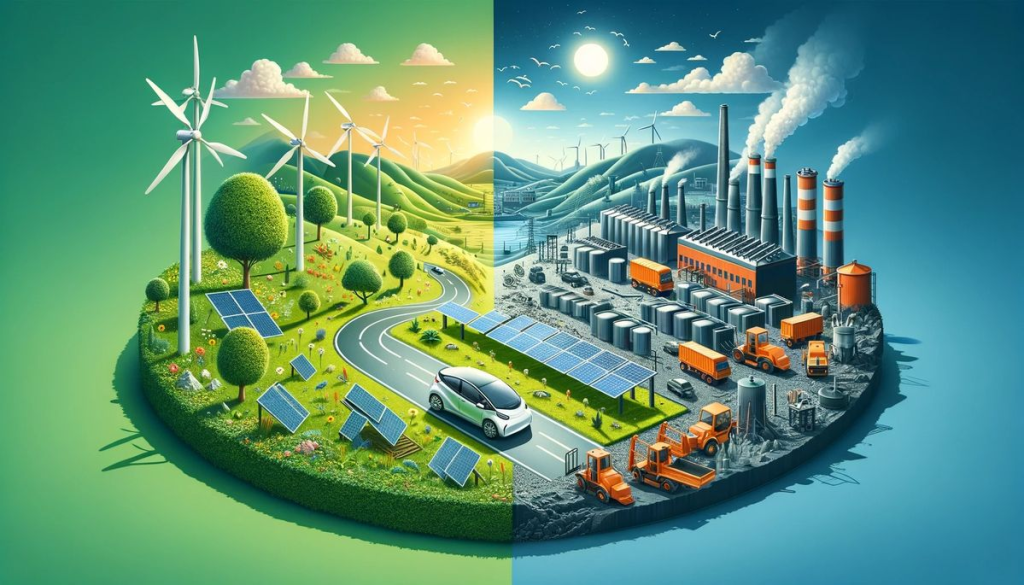
Another major step is integrating renewable energy systems into the grid. Solar panels and wind farms can generate electricity without producing harmful emissions.
Smart grid innovation allows energy providers to:
- Balance renewable energy supply
- Store excess electricity
- Improve grid stability
- Reduce dependence on fossil fuels
This creates a cleaner and more sustainable energy system.
Using Advanced Sensors and Automation
Smart grids rely on advanced sensors and automation technologies to monitor electricity flow continuously.
These systems can:
- Detect faults automatically
- Prevent equipment failures
- Reduce maintenance costs
- Improve operational efficiency
Automation also helps utilities respond quickly to emergencies and changing energy demands.
Implementing Energy Storage Systems
Energy storage is becoming increasingly important in modern power networks. Batteries and storage facilities help store excess electricity generated during low-demand periods.
Stored energy can later be used when demand increases. This improves grid reliability and supports renewable energy integration.
Strengthening Cybersecurity Measures
As smart grid innovation depends heavily on digital systems, cybersecurity becomes essential. Utilities must protect power networks from cyberattacks and data breaches.
Important cybersecurity measures include:
- Data encryption
- Secure communication networks
- Continuous monitoring
- Access control systems
- Threat detection software
Strong cybersecurity ensures the safety and stability of smart grid operations.
Encouraging Consumer Participation
Consumers play a key role in smart grid systems. Energy providers often encourage users to participate in energy-saving programs.
Examples include:
- Using energy-efficient appliances
- Charging electric vehicles during off-peak hours
- Participating in demand response programs
- Monitoring energy usage regularly
Consumer involvement improves overall grid performance and reduces energy waste.
Benefits of Smart Grid Innovation
Smart grid innovation offers numerous benefits for both consumers and energy providers.
- Improves electricity reliability
- Reduces power outages
- Supports renewable energy integration
- Lowers energy waste
- Enhances energy efficiency
- Provides real-time energy monitoring
- Reduces greenhouse gas emissions
- Improves disaster recovery capabilities
- Helps consumers reduce electricity bills
- Encourages sustainable energy practices
- Increases operational efficiency for utilities
- Supports electric vehicle infrastructure
- Enhances grid security and resilience
These advantages make smart grid systems an important part of future energy development.
Disadvantages / Risks
Although smart grid innovation provides many benefits, it also comes with certain challenges and risks.
- High installation and maintenance costs
- Cybersecurity threats and hacking risks
- Privacy concerns related to consumer data
- Complex infrastructure upgrades
- Dependence on digital communication systems
- Possible technical failures
- Training requirements for utility workers
- Integration difficulties with older systems
Addressing these challenges is necessary for successful smart grid implementation.
Common Mistakes to Avoid
Many organizations and consumers make mistakes when adopting smart grid technologies. Avoiding these issues can improve system performance and long-term success.
Ignoring Cybersecurity
Failing to secure digital systems can expose the grid to cyber threats. Strong cybersecurity measures should always be a top priority.
Delaying Infrastructure Upgrades
Outdated infrastructure can limit the effectiveness of smart grid systems. Utilities should modernize equipment regularly.
Lack of Consumer Education
Consumers often do not understand how smart grids work. Educating users about energy-saving strategies improves participation and efficiency.
Poor Data Management
Smart grids generate large amounts of data. Without proper management systems, utilities may struggle to analyze and use this information effectively.
Underestimating Maintenance Needs
Regular maintenance is essential for sensors, communication systems, and automated equipment. Ignoring maintenance can reduce system reliability.
FAQs
What is the main purpose of smart grid innovation?
The main purpose of smart grid innovation is to improve the efficiency, reliability, and sustainability of electricity systems through digital technology and automation.
How do smart grids reduce power outages?
Smart grids use sensors and automated systems to detect faults quickly. They can isolate affected areas and restore electricity faster than traditional grids.
Are smart grids environmentally friendly?
Yes, smart grids support renewable energy integration and reduce energy waste, which helps lower greenhouse gas emissions and environmental impact.
What role do smart meters play in smart grids?
Smart meters provide real-time energy usage information, accurate billing, and better communication between consumers and utility companies.
Can smart grids help reduce electricity bills?
Yes, smart grids help consumers monitor energy usage and participate in energy-saving programs, which can lower electricity costs.
What are the biggest challenges of smart grid innovation?
The biggest challenges include high costs, cybersecurity risks, infrastructure upgrades, and managing large amounts of energy data.
How do smart grids support renewable energy?
Smart grids balance energy supply and demand, store excess electricity, and manage fluctuating renewable energy production effectively.
Is smart grid technology used worldwide?
Yes, many countries are investing in smart grid innovation to modernize energy infrastructure and improve energy efficiency.
Expert Tips & Bonus Points
To maximize the benefits of smart grid innovation, consider the following expert tips:
- Invest in energy-efficient appliances
- Monitor electricity usage regularly
- Support renewable energy adoption
- Use smart home technologies
- Update cybersecurity systems frequently
- Encourage public awareness programs
- Train employees on modern grid technologies
- Develop strong data management strategies
Additionally, governments and utility companies should collaborate to create policies that encourage smart grid expansion and sustainable energy investments.
Businesses can also benefit from adopting energy management systems that work with smart grid technology. These systems help reduce operational costs and improve efficiency.
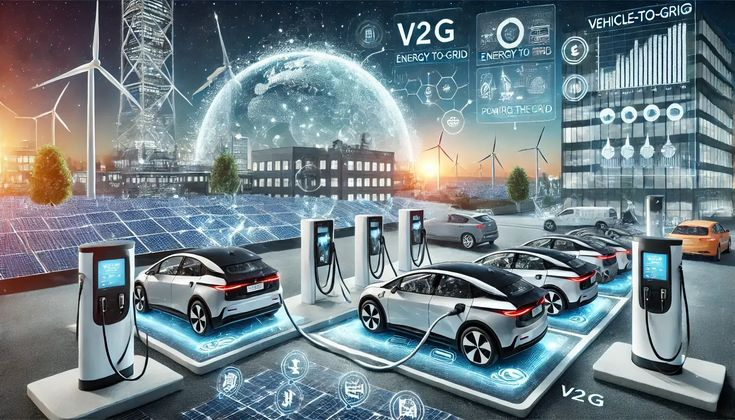
Another valuable strategy is integrating electric vehicle charging stations with smart grids. This supports cleaner transportation while balancing electricity demand more effectively.
Conclusion
Smart grid innovation is transforming the way electricity is generated, distributed, and consumed around the world. As energy demands continue to rise, traditional power systems are no longer sufficient to meet modern challenges. Smart grids provide a more efficient, reliable, and sustainable solution by combining advanced digital technologies with energy infrastructure.
One of the greatest strengths of smart grid innovation is its ability to improve energy management while supporting renewable energy integration. Smart grids help reduce electricity waste, lower greenhouse gas emissions, and create a more resilient power network. Consumers also benefit through real-time energy monitoring, improved reliability, and reduced electricity costs.
Although there are challenges such as cybersecurity risks and infrastructure costs, the long-term advantages are significant. Governments, businesses, and consumers all have important roles to play in supporting smart grid development and encouraging energy efficiency.
As technology continues to evolve, smart grid innovation will become even more advanced and essential for sustainable energy systems. The future of electricity depends on intelligent networks that can adapt to changing demands, integrate clean energy sources, and provide reliable power for growing populations.
By understanding smart grid technology and adopting smarter energy practices, societies can build a cleaner, safer, and more efficient energy future for generations to come.