
Introduction
The hydrogen energy future is becoming one of the most discussed topics in the global energy industry. Governments, scientists, and major companies are searching for cleaner alternatives to fossil fuels, and hydrogen is now seen as a promising solution. Unlike coal, oil, and natural gas, hydrogen can produce energy with little or no harmful emissions when used correctly. Because of this, many countries are investing heavily in hydrogen projects to support climate goals and reduce pollution.
Hydrogen energy is not completely new. Scientists have studied it for decades, and industries already use hydrogen in manufacturing and chemical production. However, modern technology has improved the way hydrogen can be produced, stored, and transported. As a result, the hydrogen energy future now looks more realistic than ever before.
Many experts believe hydrogen could power vehicles, factories, homes, and even airplanes in the coming years. At the same time, challenges still exist, including production costs, storage difficulties, and infrastructure limitations. Even so, continued investment and innovation are helping the hydrogen industry grow quickly.
This article explains the hydrogen energy future in simple terms. You will learn what hydrogen energy is, why it matters, how it works, its advantages, disadvantages, common mistakes, and expert insights about its long-term potential.
What is Hydrogen Energy?
Hydrogen energy refers to energy created by using hydrogen as a fuel source. Hydrogen is the most abundant element in the universe, but it does not naturally exist alone on Earth in large amounts. Instead, it is usually combined with other elements, such as oxygen in water or carbon in natural gas.
To use hydrogen for energy, scientists separate it from other substances through different production methods. Once isolated, hydrogen can be stored and later used in fuel cells or combustion systems to generate electricity and heat.
A hydrogen fuel cell works by combining hydrogen with oxygen. This process creates electricity while producing water vapor as the main byproduct. Because of this clean process, many people see hydrogen as an environmentally friendly energy source.
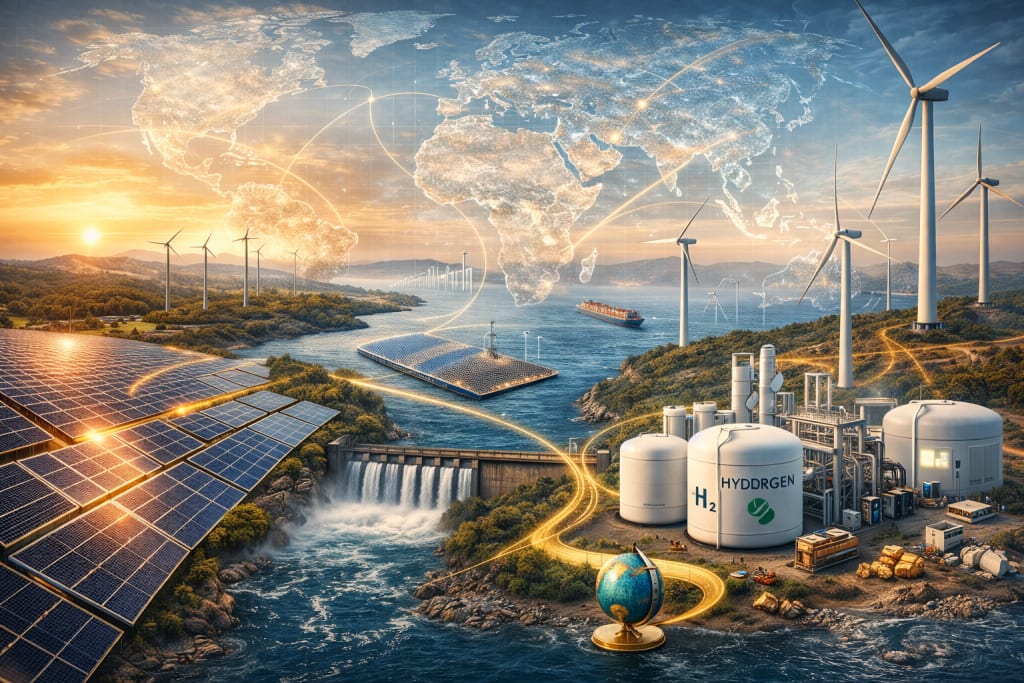
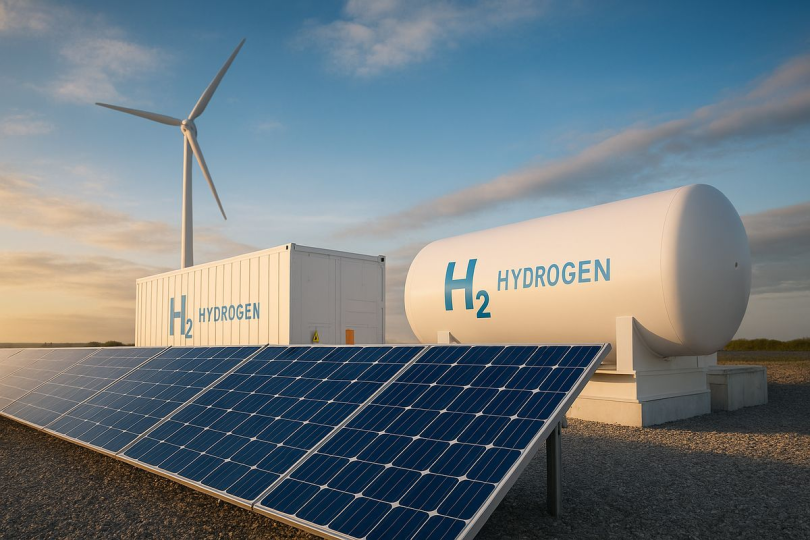
The hydrogen energy future depends on improving production efficiency and reducing costs. Green hydrogen, which is produced using renewable energy sources like wind and solar power, is considered the cleanest option. Blue hydrogen and gray hydrogen are also used today, although they involve natural gas and different levels of carbon emissions.
Hydrogen can support several industries, including transportation, heavy manufacturing, aviation, shipping, and electricity generation. Its flexibility is one reason why many experts believe hydrogen will play a major role in future energy systems.
Why is Hydrogen Energy Important?
The importance of the hydrogen energy future continues to grow because the world needs cleaner and more sustainable energy sources. Fossil fuels have powered economies for many decades, but they also create pollution and greenhouse gas emissions. Climate change concerns are forcing countries to find alternatives that reduce environmental damage.
Hydrogen offers a cleaner option because fuel cells can generate power without producing harmful carbon dioxide emissions. This makes hydrogen attractive for industries that are difficult to electrify, such as steel production, shipping, and long-distance transportation.
Another reason hydrogen is important is energy security. Many countries rely heavily on imported oil and gas. Hydrogen production can reduce dependence on foreign fuel supplies by allowing nations to produce energy locally using renewable resources.
The hydrogen energy future may also create new jobs and economic opportunities. Governments are funding hydrogen research, infrastructure development, and clean technology projects. These investments can support engineers, manufacturers, construction workers, and energy companies.
Hydrogen is also useful for storing renewable energy. Solar and wind power depend on weather conditions, which means energy production can vary. Hydrogen allows excess renewable electricity to be stored and used later when demand increases.
Because of these advantages, hydrogen is becoming an important part of global energy strategies. Although challenges remain, many experts believe hydrogen can help countries achieve cleaner and more reliable energy systems.
Detailed Step-by-Step Guide
Understanding Hydrogen Production
The first step in the hydrogen energy future is producing hydrogen efficiently. There are several methods used today. Electrolysis is one of the cleanest methods because it uses electricity to split water into hydrogen and oxygen. If renewable energy powers the process, the hydrogen becomes green hydrogen.
Steam methane reforming is another common production method. It extracts hydrogen from natural gas, although it can create carbon emissions. Carbon capture systems may reduce pollution from this process.
Biomass conversion and nuclear-powered hydrogen production are also being explored. Scientists continue searching for better methods that lower costs and improve sustainability.
Hydrogen Storage and Transportation
After production, hydrogen must be stored and transported safely. This step is challenging because hydrogen is very light and highly flammable. Special tanks, pipelines, and compression systems are required.
Hydrogen can be stored as compressed gas, liquid hydrogen, or chemical compounds. Each method has advantages and disadvantages depending on cost, efficiency, and safety requirements.
Transportation infrastructure is another important part of the hydrogen energy future. Countries need pipelines, fueling stations, and distribution systems to support large-scale hydrogen use.
Using Hydrogen Fuel Cells
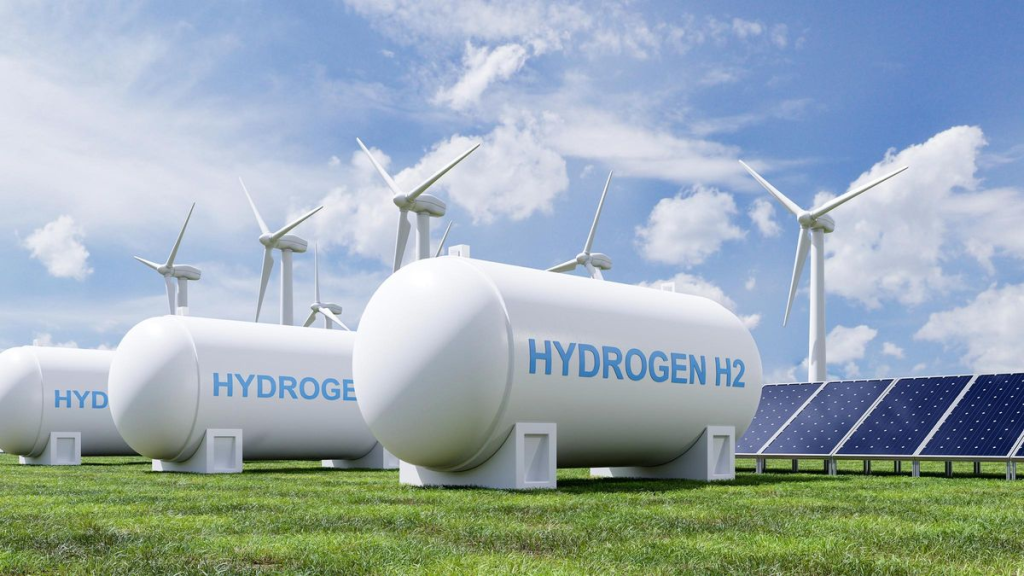
Fuel cells convert hydrogen into electricity through a chemical reaction. Unlike traditional engines, fuel cells do not burn fuel directly. Instead, they create electricity quietly and efficiently.
Hydrogen fuel cells are already used in buses, trucks, forklifts, and some passenger vehicles. They offer fast refueling times and long driving ranges compared to many battery-powered vehicles.
Fuel cells can also provide backup power for hospitals, data centers, and remote areas. Their reliability makes them valuable in emergency situations.
Hydrogen in Transportation
Transportation is one of the biggest sectors connected to the hydrogen energy future. Hydrogen-powered vehicles can reduce air pollution and lower dependence on gasoline and diesel fuels.
Hydrogen trucks and buses are becoming popular for long-distance travel because fuel cells provide strong performance and quick refueling. Trains powered by hydrogen are also operating in some countries.
Aviation companies are researching hydrogen-powered airplanes to reduce emissions from air travel. Although commercial use may take years, early experiments show promising results.
Shipping companies are also studying hydrogen and ammonia-based fuels to reduce pollution from cargo vessels.
Hydrogen in Industry
Heavy industries require large amounts of energy and high temperatures. Electricity alone may not always meet these needs efficiently. Hydrogen can support industrial operations while reducing emissions.
Steel manufacturing is one example. Traditional steel production uses coal, which creates significant carbon pollution. Hydrogen-based methods can reduce these emissions dramatically.
Chemical factories, refineries, and fertilizer plants already use hydrogen in different processes. Cleaner hydrogen production can help these industries become more environmentally friendly.
Renewable Energy Integration
Renewable energy sources like solar and wind are important for a sustainable future, but they have limitations. Weather changes can reduce electricity production unexpectedly.
Hydrogen helps solve this problem by storing excess renewable electricity. During periods of strong sunlight or high winds, extra electricity can produce hydrogen through electrolysis.
Later, the stored hydrogen can generate electricity when renewable production drops. This improves energy stability and supports cleaner power systems.
Building Hydrogen Infrastructure
The hydrogen energy future depends heavily on infrastructure development. Without fueling stations, pipelines, and storage systems, widespread hydrogen use will remain difficult.
Governments and private companies are investing in hydrogen networks. Some countries already operate hydrogen fueling stations for public transportation and commercial vehicles.
Infrastructure expansion requires careful planning, safety regulations, and financial investment. Long-term success depends on cooperation between industries, governments, and researchers.
Benefits of Hydrogen Energy
- Hydrogen fuel cells produce electricity with very low emissions.
- Green hydrogen supports cleaner environmental goals.
- Hydrogen can reduce dependence on fossil fuels.
- Fuel cells operate quietly and efficiently.
- Hydrogen vehicles can refuel faster than many electric vehicles.
- Hydrogen supports long-distance transportation systems.
- Renewable energy storage becomes easier with hydrogen.
- Hydrogen can improve energy security for many countries.
- Industrial sectors can lower carbon emissions using hydrogen.
- Hydrogen projects may create jobs and economic growth.
- Fuel cells require fewer moving parts than combustion engines.
- Hydrogen energy systems can support remote communities.
- Public transportation can become cleaner and quieter.
- Hydrogen may reduce air pollution in crowded cities.
- The hydrogen energy future encourages technological innovation.
Disadvantages and Risks
- Hydrogen production can be expensive.
- Some production methods still create carbon emissions.
- Storage systems require advanced technology.
- Hydrogen is highly flammable and needs strict safety measures.
- Infrastructure development requires large investments.
- Fueling stations are still limited in many regions.
- Transportation and storage losses may reduce efficiency.
- Green hydrogen production depends on renewable energy availability.
- Some hydrogen projects may face political or financial challenges.
- Fuel cell technology remains costly for many consumers.
- Public awareness about hydrogen safety is still limited.
- Large-scale adoption may take many years.
Common Mistakes to Avoid
One common mistake is assuming all hydrogen is completely clean. The environmental impact depends on how hydrogen is produced. Gray hydrogen, for example, can create significant carbon emissions.
Another mistake is ignoring infrastructure needs. Many people focus only on hydrogen vehicles while forgetting the importance of fueling stations and storage systems.
Some businesses invest in hydrogen projects without long-term planning. Successful hydrogen systems require careful financial analysis, safety management, and technical expertise.
Overlooking safety procedures is another serious issue. Hydrogen must be stored and handled properly to avoid leaks and accidents.
People also sometimes compare hydrogen and battery technology as direct competitors. In reality, both technologies may work together in future energy systems.
Finally, many investors expect immediate profits from hydrogen markets. However, the hydrogen energy future is still developing, and large-scale growth may take time.
FAQs
What is the hydrogen energy future?
The hydrogen energy future refers to the growing role hydrogen may play in transportation, electricity generation, manufacturing, and clean energy systems. Many experts believe hydrogen can help reduce pollution and support sustainable development.
Is hydrogen energy environmentally friendly?
Hydrogen can be environmentally friendly when produced using renewable energy sources. Green hydrogen creates very low emissions and supports cleaner energy goals.
How do hydrogen fuel cells work?
Hydrogen fuel cells combine hydrogen and oxygen through a chemical reaction that produces electricity. Water vapor and heat are the main byproducts of this process.
Why is hydrogen important for transportation?
Hydrogen vehicles offer long driving ranges and quick refueling times. This makes hydrogen useful for trucks, buses, trains, and other heavy transportation systems.
What are the biggest challenges facing hydrogen energy?
Major challenges include production costs, infrastructure limitations, storage difficulties, and safety concerns. Continued research and investment are helping solve these problems.
Can hydrogen replace fossil fuels completely?
Hydrogen may replace fossil fuels in several industries, but experts believe multiple energy sources will likely work together in the future. Hydrogen is expected to complement renewable electricity rather than replace everything entirely.
What is green hydrogen?
Green hydrogen is hydrogen produced using renewable energy sources like solar and wind power. It is considered the cleanest type of hydrogen because it creates minimal carbon emissions.
Which countries are investing in hydrogen energy?
Countries such as Japan, Germany, China, South Korea, and the United States are investing heavily in hydrogen infrastructure, research, and industrial projects.
Expert Tips and Bonus Points
Experts recommend focusing on green hydrogen because it offers the best environmental benefits. As renewable energy becomes cheaper, green hydrogen production is expected to expand significantly.
Businesses entering the hydrogen industry should prioritize safety training and infrastructure planning. Proper handling systems are essential for long-term success.
Investors should understand that hydrogen development is a long-term opportunity rather than a quick financial trend. Infrastructure expansion and technology improvements require patience.
Governments can accelerate the hydrogen energy future by supporting research programs, tax incentives, and public-private partnerships.
Students and professionals interested in clean energy careers should pay attention to hydrogen technology. Engineers, scientists, and environmental specialists will likely play important roles in future hydrogen projects.
Consumers can also support hydrogen growth by learning about clean transportation options and sustainable energy practices.
Hydrogen may work best when combined with solar, wind, battery storage, and smart energy systems. A balanced energy strategy will likely create the most reliable and efficient future.
Conclusion
The hydrogen energy future represents an important step toward cleaner and more sustainable energy systems. As countries search for alternatives to fossil fuels, hydrogen is gaining attention because of its flexibility, efficiency, and low-emission potential. From transportation and manufacturing to renewable energy storage, hydrogen offers solutions for industries that are difficult to decarbonize.
Although challenges still exist, including high production costs, infrastructure limitations, and safety concerns, ongoing research continues improving hydrogen technology. Governments and private companies are investing billions of dollars into hydrogen projects, showing strong confidence in its long-term potential.
Green hydrogen is especially promising because it combines renewable energy with low environmental impact. As solar and wind power become more affordable, hydrogen production may become cleaner and cheaper over time.
The hydrogen energy future will not develop overnight. It requires cooperation between scientists, businesses, governments, and consumers. However, progress is already visible through hydrogen vehicles, industrial projects, and renewable energy systems operating around the world.
In the coming decades, hydrogen could become a key part of global energy strategies. While it may not replace every traditional fuel source, it has the potential to support cleaner industries, improve energy security, and reduce harmful emissions. With continued innovation and responsible investment, hydrogen energy may help create a more sustainable future for generations to come.