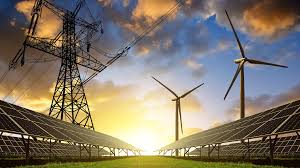

Energy markets and industry trends are rapidly evolving as the world shifts from traditional fossil fuels toward cleaner, more sustainable, and technology-driven energy systems, and understanding these changes is essential for investors, businesses, and policymakers because global energy demand, pricing structures, and supply chains are being reshaped by renewable energy growth, digital innovation, and changing environmental priorities.
Understanding Energy Markets
Energy markets are systems where electricity, oil, gas, and renewable energy are produced, traded, and consumed. These markets are influenced by supply and demand, government policies, and global economic conditions.
In simple terms, energy markets determine how energy is priced and distributed across industries and households worldwide, making them one of the most important sectors of the global economy.
Shift From Fossil Fuels To Clean Energy
One of the biggest trends in energy markets is the transition from fossil fuels like coal and oil to cleaner energy sources such as solar, wind, and hydro power.
This shift is driven by environmental concerns, government regulations, and advancements in renewable energy technology that make clean energy more affordable and efficient.
Rise of Renewable Energy Demand
Renewable energy demand is increasing globally as countries aim to reduce carbon emissions and achieve sustainability goals.
Large-scale solar and wind projects are expanding rapidly, and companies are investing heavily in renewable infrastructure to meet future energy needs.
Impact of Global Energy Prices
Energy prices are highly volatile and depend on factors like geopolitical events, supply chain disruptions, and changes in production levels.
For example, oil prices can fluctuate due to conflicts or production cuts, which directly affects transportation and manufacturing costs worldwide.
Role of Government Policies in Energy Markets
Government policies play a crucial role in shaping energy markets by providing subsidies, tax incentives, and regulations for renewable energy adoption.
Many countries are implementing strict environmental policies to reduce carbon emissions and encourage investment in clean energy technologies.
Technological Advancements in Energy Industry
Technology is transforming the energy industry through innovations like smart grids, energy storage systems, and AI-based energy management tools.
These technologies help improve efficiency, reduce waste, and optimize energy distribution across large networks.
Growth of Electric Vehicles in Energy Market
Electric vehicles (EVs) are becoming a major driver of energy market trends as they increase demand for electricity and reduce dependency on fossil fuels.
The expansion of EV charging infrastructure is also creating new opportunities in the energy sector.
Importance of Energy Storage Systems
Energy storage systems are essential for balancing supply and demand, especially for renewable energy sources like solar and wind that are not always consistent.
Advanced battery technologies allow excess energy to be stored and used when demand is high, improving grid stability.
Global Energy Investment Trends
Investment in clean energy is increasing globally as investors shift focus from traditional energy sources to sustainable alternatives.
According to industry forecasts, renewable energy investment is expected to grow significantly over the next decade as countries push for net-zero emissions targets. (iea.org)
Challenges in Energy Markets
Despite growth, energy markets face several challenges including high infrastructure costs, regulatory uncertainty, and supply chain disruptions.
Transitioning from fossil fuels to renewable energy also requires massive investment and technological upgrades.
Future of Energy Markets
The future of energy markets is expected to be more decentralized, digital, and sustainable, with renewable energy playing a dominant role.
AI, automation, and smart technologies will further improve energy efficiency and market transparency in the coming years.
FAQ’s
What are energy markets
They are systems where energy is produced, traded, and consumed.
Why is renewable energy growing
Because of environmental concerns and cost efficiency.
How do government policies affect energy markets
They regulate and encourage clean energy adoption.
What is the future of energy industry
It is moving toward clean and digital energy systems.
Conclusion
Energy markets and industry trends are undergoing a major transformation driven by renewable energy growth, technological innovation, and global sustainability goals. As the world moves toward cleaner and more efficient energy systems, understanding these trends helps businesses, investors, and policymakers make better decisions and adapt to the future of the global energy landscape.