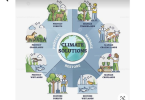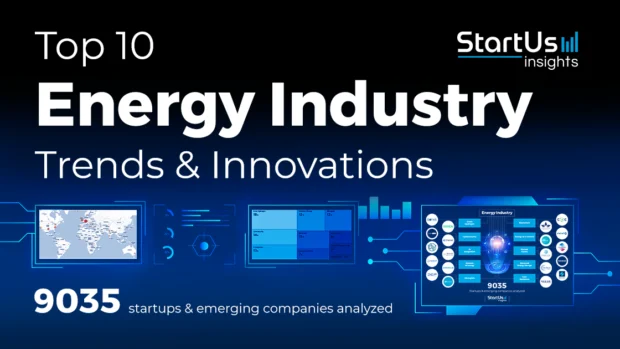

Energy markets and industry trends in 2026 are undergoing a major transformation as the world shifts toward cleaner energy systems, smarter technologies, and more efficient distribution models, and these changes are reshaping how electricity, oil, gas, and renewable energy are produced, traded, and consumed across global markets, making the energy sector one of the most dynamic and important industries in the modern economy.
Overview of Global Energy Markets
Energy markets refer to systems where energy resources like electricity, oil, gas, and renewable power are produced, traded, and distributed. These markets are influenced by supply and demand, government policies, and global economic conditions.
In 2026, energy markets are becoming more decentralized and technology-driven, with renewable energy playing a much larger role than ever before.
Transition From Fossil Fuels To Renewables
One of the biggest trends in energy markets is the ongoing shift from fossil fuels to renewable energy sources such as solar, wind, and hydro power.
This transition is driven by climate goals, rising fuel costs, and increasing investment in sustainable energy infrastructure worldwide.
Growth of Renewable Energy Markets
Renewable energy markets are expanding rapidly due to lower production costs and strong government support. Solar and wind energy are leading this growth globally.
Many countries are setting ambitious targets for net-zero emissions, which is further accelerating renewable energy adoption.
Impact of Global Energy Demand
Global energy demand continues to rise due to population growth, urbanization, and industrial expansion.
Emerging technologies such as artificial intelligence and data centers are also increasing electricity consumption significantly.
Role of Energy Pricing and Volatility
Energy prices are highly volatile and influenced by geopolitical events, supply chain disruptions, and production levels.
For example, oil and gas prices can fluctuate quickly due to global conflicts or changes in production policies.
Technological Transformation in Energy Industry
Technology is playing a key role in transforming energy markets through smart grids, automation, and digital monitoring systems.
These technologies improve efficiency, reduce waste, and allow better control over energy distribution networks.
Rise of Decentralized Energy Systems
Decentralized energy systems are becoming more popular, where energy is produced locally using solar panels, wind turbines, and small-scale grids.
This reduces dependency on centralized power plants and improves energy security.
Energy Storage and Battery Innovation
Energy storage systems are essential for balancing renewable energy supply and demand. Advanced battery technologies are improving storage capacity and efficiency.
This allows excess energy to be stored and used during peak demand periods.
Electric Vehicles and Market Expansion
Electric vehicles are reshaping energy markets by increasing electricity demand and reducing dependence on fossil fuels.
The expansion of EV charging infrastructure is creating new opportunities in the energy sector.
Investment Trends in Energy Sector
Investment in clean energy is increasing globally as investors focus on sustainable and long-term growth opportunities.
Renewable energy projects are attracting significant funding from both private companies and governments.
Challenges in Energy Markets
Despite growth, energy markets face challenges such as infrastructure limitations, high transition costs, and regulatory uncertainties.
Balancing energy security with sustainability remains a key global challenge.
Future of Energy Markets
The future of energy markets is expected to be highly digital, decentralized, and renewable-focused, with AI and automation playing a major role in optimization.
Clean energy will continue to dominate global energy production in the coming decades.
FAQ’s
What are energy markets
They are systems where energy is produced and traded.
Why are energy markets changing
Due to renewable energy growth and technology advancement.
What is driving energy demand
Population growth and industrial expansion.
Is renewable energy the future
Yes, it is becoming the dominant global energy source.
Conclusion
Energy markets and industry trends in 2026 clearly show a major shift toward renewable energy, digital transformation, and decentralized systems that are reshaping the global energy landscape. With increasing demand, technological innovation, and strong investment in sustainable solutions, the energy industry is moving toward a cleaner, smarter, and more efficient future that will define global economic and environmental progress.